The Future of Real Estate Is About Building Better, Not Just Building More
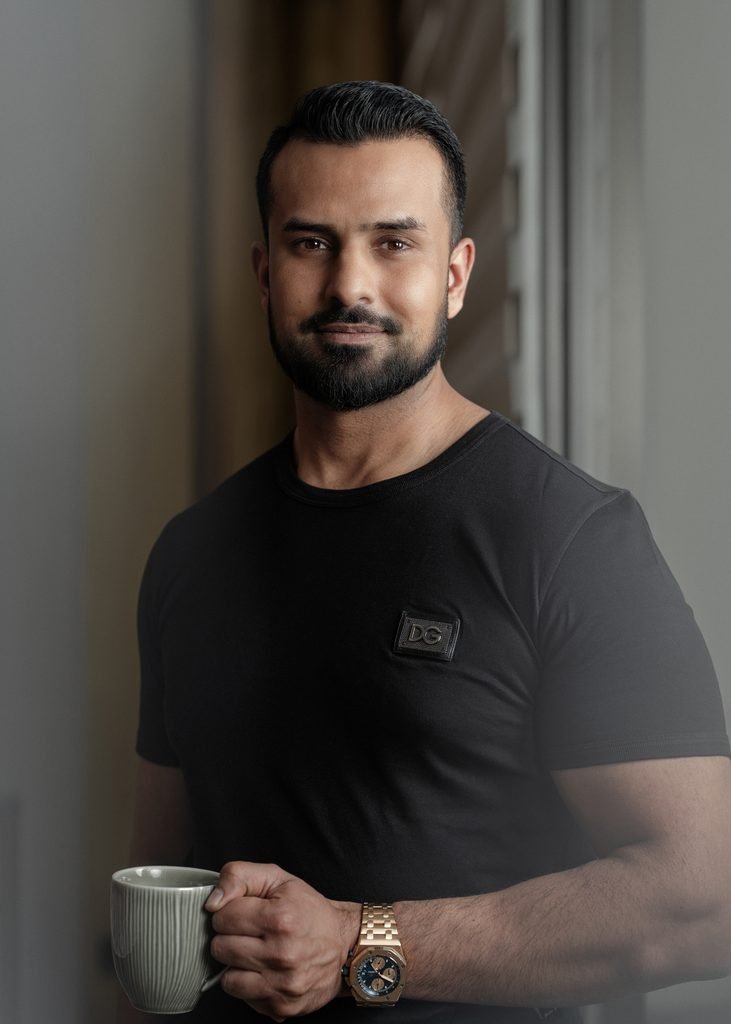
By Tejpreet Singh Gill, Managing Director, Gillco Group
India’s real estate story is entering a defining new phase. For years, growth was largely measured in terms of land, construction, location, sales and returns. But as cities evolve and homebuyers become more informed, the meaning of successful development is changing. Real estate is no longer simply about creating physical assets; it is about creating places where people can live well, build communities and participate in the growth of a city. The next opportunity for the industry, therefore, is not merely to build more, but to build better—with greater thought, responsibility and a long-term vision for people and places.
A Home Is More Than Four Walls
The industry has become increasingly capable of delivering homes. The larger opportunity now is to create communities that people genuinely want to be part of.
A home is only one element of the living experience. The neighbourhood around it influences how people spend their days, raise their families and connect with others. How easily can residents access workplaces and schools? Are there safe spaces for children? Is there enough greenery? Can families find opportunities to socialise and unwind? Are essential services within convenient reach?
These questions are becoming an increasingly important part of the homebuying decision—and they are redefining the responsibility of a developer.
A development cannot exist in isolation. It becomes part of the larger urban ecosystem around it. Responsible development should complement its surroundings, contribute to infrastructure and create an environment that remains relevant as the location evolves.
From Projects to Places
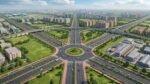
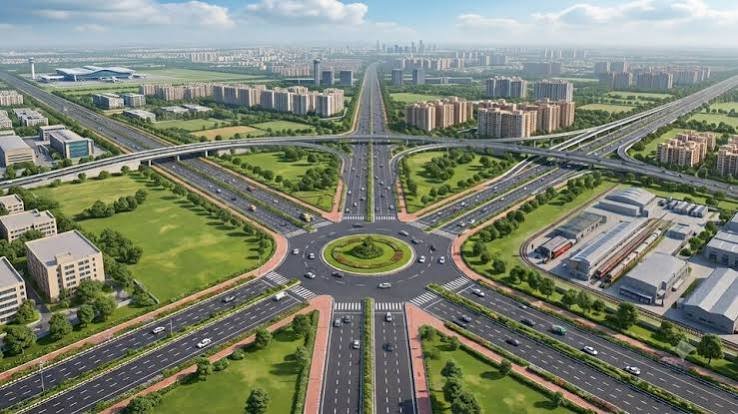
India’s rapid urbanisation is opening up new growth corridors, supported by expanding highways, airports, commercial centres, industrial activity and employment opportunities. For real estate, this presents enormous potential.
But growth alone is not enough. It has to be planned thoughtfully.
As developers, we need to ask a more fundamental question—not just “What can we build here?”, but “What should this location become?”
That distinction can shape the future of an entire neighbourhood.
A successful urban environment is not created by buildings alone. Housing must work alongside mobility, infrastructure, commerce, open spaces and social amenities. When these elements develop together, real estate becomes more than a collection of projects; it becomes an enabler of urban growth.
This is particularly relevant for emerging cities and developing corridors, where decisions being made today can influence their character and liveability for decades.
The Buyer Is Looking Beyond the Brochure
The Indian homebuyer has evolved significantly. Buyers today are more informed, more discerning and more willing to question what lies behind a project’s marketing promise.
They research developers, compare projects, evaluate connectivity, examine amenities and increasingly look for evidence of quality and credibility.
Price will always remain an important consideration, but the definition of value is becoming broader.
Quality construction, thoughtful design, transparency, timely delivery and long-term liveability are becoming equally important. This makes trust one of the most valuable assets a developer can build.
In real estate, the relationship with a customer should not end with possession. The experience before, during and after the purchase plays an important role in determining whether a development earns lasting confidence.
Sustainability Must Be Designed In
Sustainability can no longer be treated as an additional feature added to a project. It needs to be considered from the earliest stages of planning and design.
Water conservation, energy efficiency, waste management, natural light and ventilation, green spaces and responsible construction practices all have an important role to play.
But sustainability is also about longevity.
A development should not be designed only around its launch or sales cycle. It should be capable of remaining useful, adaptable and relevant as the needs of its residents change.
Technology will further support this transition. Smart homes, digital services, data-led planning, technology-enabled security and efficient property management can improve the customer experience. But technology should remain an enabler, not the end goal.
The objective is simple: to make everyday life better.
Building for the Next Generation
Real estate is different from most industries because what we create can remain part of a city for decades. A building can influence its surroundings for generations, while a well-planned neighbourhood can become part of a city’s identity.
That creates a responsibility that extends beyond business performance.
We must ask ourselves whether the communities we build will remain liveable, whether they can adapt to changing needs, whether infrastructure can support future growth and, most importantly, whether residents will feel that their quality of life has genuinely improved.
I believe this longer view will increasingly define the future of Indian real estate.
India needs more homes, commercial spaces and infrastructure, and the industry must continue to build. But how we build will matter as much as how much we build.
The next phase of urbanisation gives us an opportunity to create more than successful projects. We can create communities people are proud to call home, neighbourhoods that contribute to the identity of a city and developments that continue to create value long after the initial transaction.
Ultimately, the future of real estate is not just about the spaces we construct. It is about the lives those spaces enable.
Because the true measure of a development should not only be what we build, but what we make possible for the people who live there.
Disclaimer: Views expressed in this article are those of the author, and not necessarily of Realtynmore.com.