The New Luxury Housing Paradigm: From Opulence to Thoughtful Living
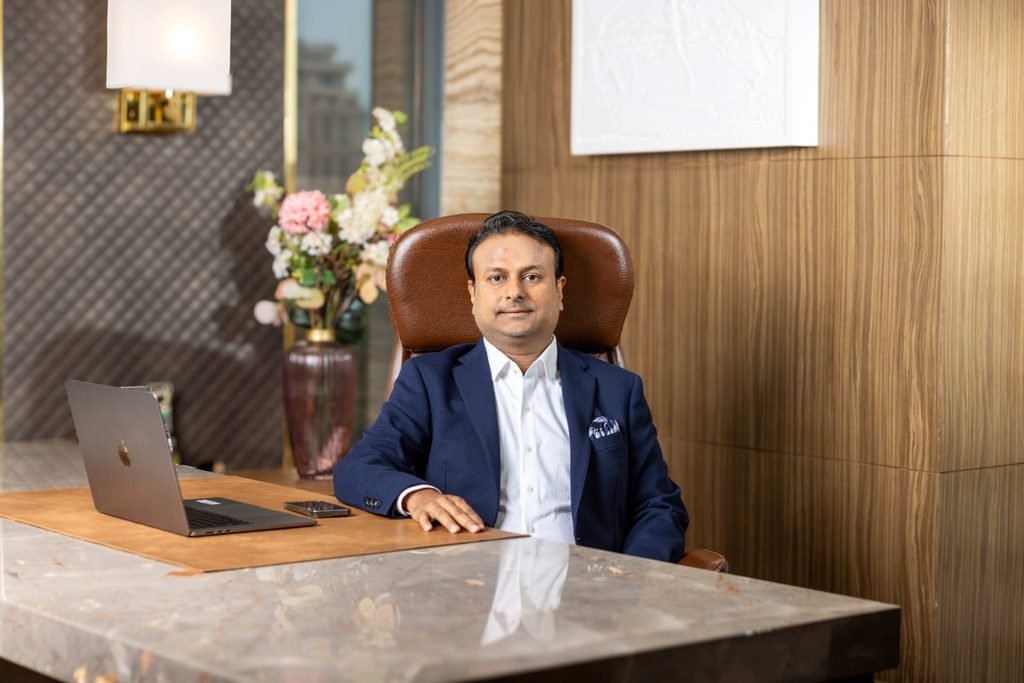
By, Gautam Kanodia, Founder of KREEVA and Kanodia Group
The success of a luxury home is often judged long after the first impression. The architecture may attract attention and the specifications may set expectations, but the experience of living there ultimately matters. How comfortably the home accommodates everyday routines, how well its surroundings serve residents and whether the development continues to meet their needs over time are becoming important considerations in the way buyers look at luxury housing.
The questions being asked today are somewhat different. How much privacy will the home offer? Is there enough open space around the buildings? Will the rooms receive natural light? Are the common facilities designed for everyday use? These considerations are part of finding a place alongside architecture, specifications and location when buyers assess a luxury home.
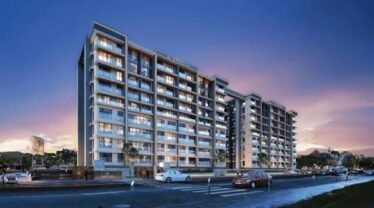
As a result, the focus is moving towards the quality of space, the relationship between buildings and their surroundings, and the needs of the people who will live there. Lower density, better landscaping, natural ventilation and well-planned common areas are becoming important parts of the design brief.
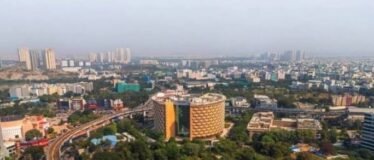
Delhi-NCR offers a good illustration of this shift, with different residential markets developing their own expressions of luxury. In Gurugram, Golf Course Road remains an established address, while Golf Course Extension Road, Southern Peripheral Road and Dwarka Expressway have opened up new areas for large residential developments. New Gurgaon is also attracting attention as infrastructure and residential development extend further along the city. These corridors offer opportunities for projects to incorporate larger open spaces, landscaped surroundings and shared facilities into their planning.
South Delhi presents a different proposition. Neighbourhoods such as Vasant Vihar, Panchsheel Park, Shanti Niketan and New Friends Colony derive much of their residential appeal from established surroundings, privacy and access to existing social infrastructure. The demand here is often for a more individual form of luxury, where the character of the neighbourhood is as important as the home itself.
The recent data also support this trend. Savills’ Delhi-NCR Residential Market Watch for H1 2026 reported a 15% year-on-year increase in average capital values of luxury floors in Delhi, while residential plot values in Gurugram grew by 11%. JLL’s Q2 2026 report also recorded that Gurugram accounted for 43% of residential sales across Delhi-NCR during the quarter, with demand concentrated in locations including Dwarka Expressway, Golf Course Extension Road and New Gurgaon.
Another important consideration is the changing structure of families. Many buyers want parents, children and other family members to live close to one another, while retaining a degree of independence. This calls for homes with separate living spaces, suitable access arrangements and common facilities that different generations can use comfortably. As a result, developers are planning projects around multigenerational residential concepts along high-value locations such as the Southern Peripheral Road.
For developers, thoughtful living has to begin at the planning stage. It cannot be added later through a longer amenities list or more elaborate specifications. The orientation of a building, the distance between towers, the usable green space, and the way residents access shared facilities are decisions that shape the experience of a development for years.