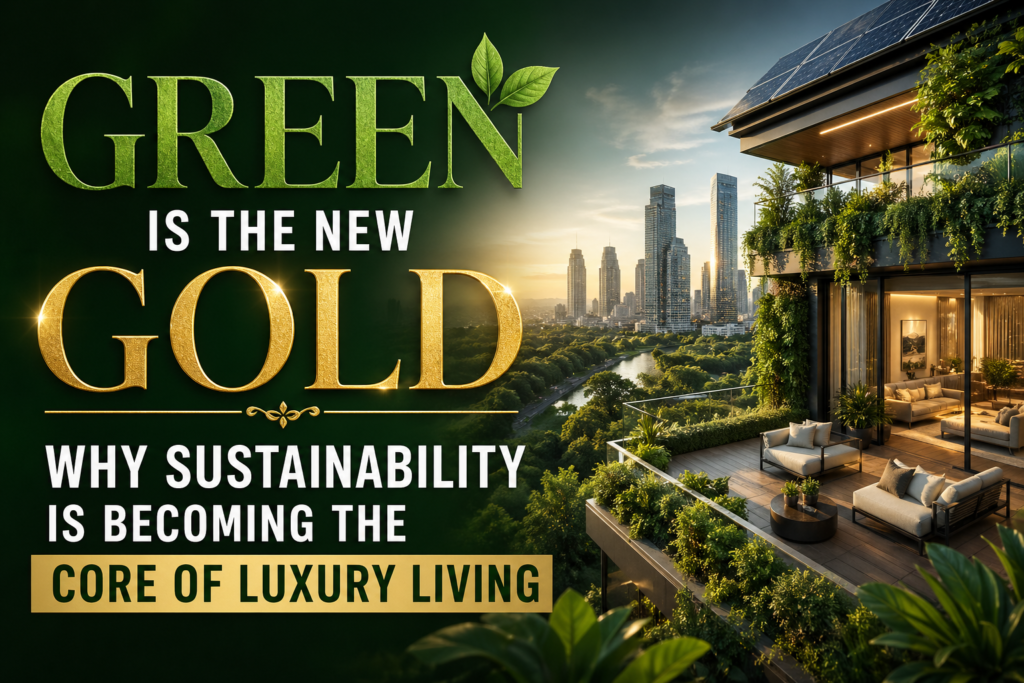
Green Is the New Gold: Why Sustainability Is Becoming the Core of Luxury Living

By Shyamrup Roy Choudhury, Founder and Managing Director, Aura World
One can see it first in the way projects are being positioned, not announced. Specific details about systems, air, water, light, and heat are finding prominent places in the project’s marketing materials.
For a while, sustainability in luxury housing sat in that familiar zone of “good to have.” It helped close conversations, but rarely opened them. That is beginning to change. Developers in NCR, especially in the Gurgaon-Noida belt, are firmly of the view that green credentials create value.
But it also points towards the broader urban imbalance that NITI Aayog has been flagging for some time, that is, cities occupying roughly 3% of land while generating close to 60% of GDP. On the surface, it appears good, but the consumption of energy, water, air, etc. is also mind-boggling.
But the change has begun to make its point felt. Data from JLL suggests green-certified assets in India command rental premiums in the 12-25% range. In residential, the numbers are often quoted in that 10-15% band, sometimes higher depending on the micro-market and brand. Homes that are designed to manage energy better, reflected in monthly bills and air quality, command a rental premium.
There is also a behavioural shift among buyers that doesn’t always show up in reports. HNIs are asking different second questions. Earlier, it was about finishing after location; now, quite often, it’s about systems after specifications. How does the building breathe? What happens to water after it leaves the apartment? They indicate a certain recalibration of what “premium” means.
The scale of adoption is no longer marginal either. The Indian Green Building Council estimates over 10 billion sq. ft. of registered green building footprint across more than 10,000 projects.
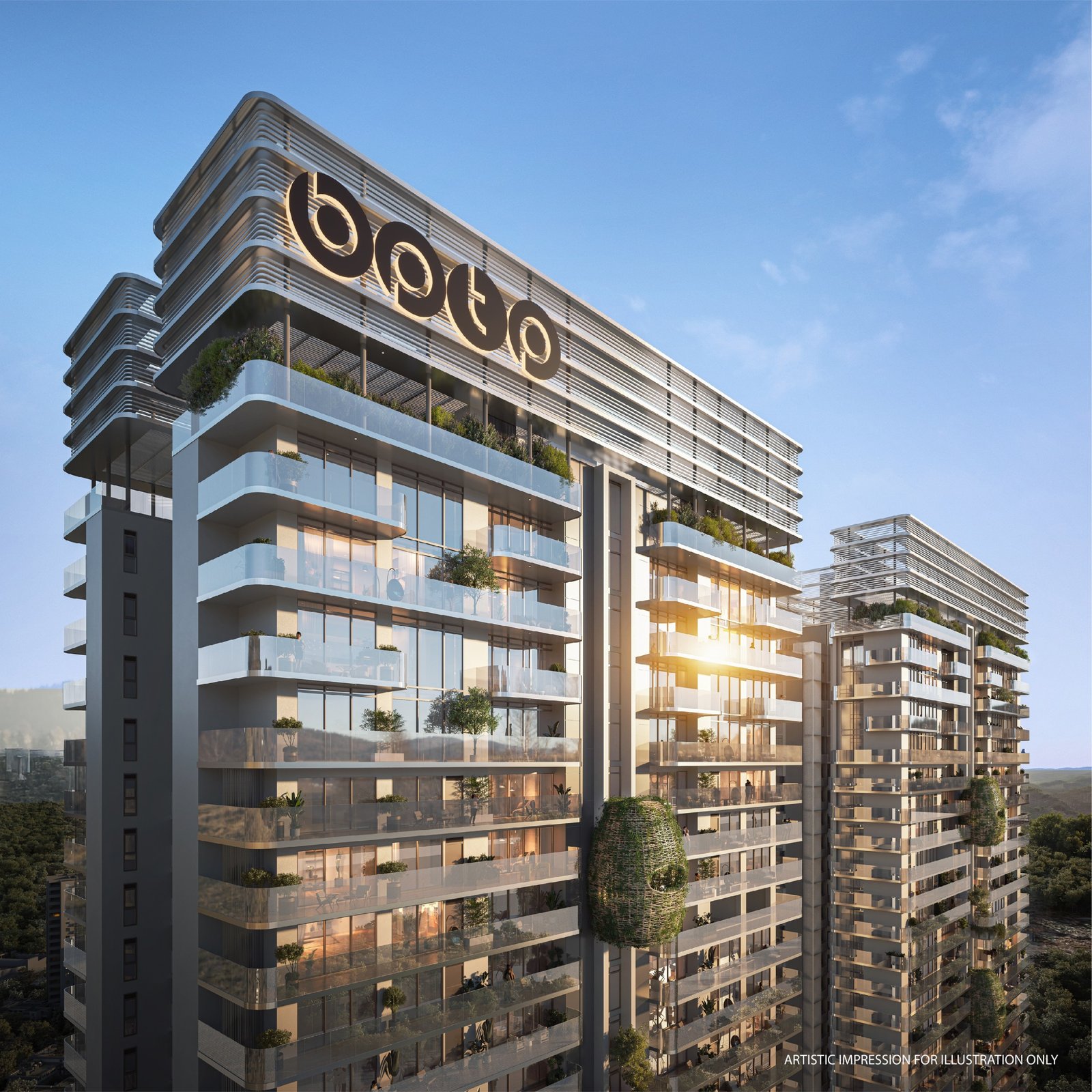
Wellness has become a more persuasive bridge. Not carbon, not compliance, but comfort. Air purification systems, low-VOC materials, and cross ventilation are easier to sell because they are easier to feel. The language of sustainability, in that sense, has been translated into the language of health. In several NCR projects, one can now see biophilic design elements positioned not as aesthetic indulgences but as functional necessities. Trees are no longer landscaping. They are the infrastructure.
Government programmes have nudged this along, even if indirectly. Under the Smart Cities Mission, investments exceeding Rs. 1.6 lakh crore have flowed into urban upgrades, with incremental improvements in waste processing, from about 68% in 2020 to over 78% in 2024. There’s also the commuting factor. Projects along transit corridors, metro-linked, walkable, dense in a planned way, result in greater appreciation.
Technology has helped smooth this transition. Smart home systems, once associated with convenience, lighting presets, and remote controls, are now positioned around efficiency. Automated energy management, water usage tracking, and even waste segregation systems are integrated into the building’s backend. It’s a different kind of intelligence. Less visible, more consequential.
Financially, the argument has tightened. Lower operating costs, often quoted in the 20-30% range, combined with faster sales cycles and marginally higher resale values (sometimes 7-13% higher, depending on certification and location), have reframed sustainability. Future regulations, too, hover in the background. Homes that are already compliant, or close to it, carry a certain forward advantage.
At the same time. There are projects where sustainability is overstated, where certifications are pursued more for the sake of it than for substance. However, what is clear, though, is that luxury has begun to shed some of its older markers. Even though the transformation is far from over, it is enough to suggest that the definition itself is under revision. No doubt, green is the future of luxury housing.
Disclaimer: Views expressed in this article are those of the author, and not necessarily of Realty&More.