20 Years of West India Real Estate: Trends Every Investor Should Know
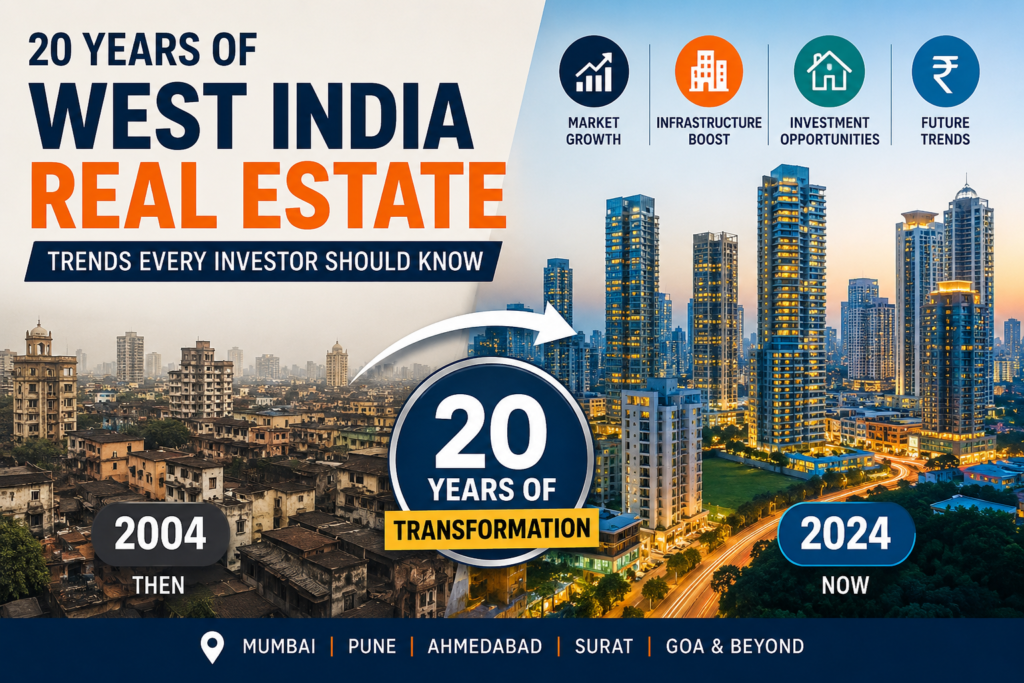
Two decades ago, West India’s real estate market was largely concentrated around Mumbai, Ahmedabad, Pune, and Goa. Today, the region has evolved into one of India’s strongest economic and property growth corridors. From world-class infrastructure and IT expansion to industrial development and luxury housing, the transformation has been remarkable.
In this article, we’ll explore how West India’s real estate has changed in the last 20 years, the major drivers behind this evolution, investment opportunities, challenges, and what buyers and investors should expect in the coming years.
West India Real Estate: Understanding the Transformation
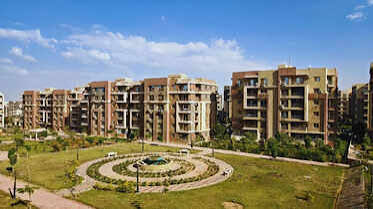
West India includes Maharashtra, Gujarat, Goa, and parts of Rajasthan. Together, these states contribute significantly to India’s GDP and have become magnets for domestic and international investment.
Twenty years ago, residential demand was largely concentrated in metropolitan cities. Today, Tier-2 cities, industrial belts, and emerging suburban locations are driving new growth.
Several factors have shaped this journey:
- Economic liberalization
- Rising urbanization
- Improved infrastructure
- Strong industrial growth
- Government housing initiatives
- Increased foreign investments
The implementation of RERA has also improved transparency and buyer confidence, making the market more organized than ever before.
Key Changes in West India’s Property Market
Mumbai Has Shifted Beyond the Island City
Mumbai remains India’s financial capital, but the city’s growth has expanded dramatically.
New investment hubs now include:
- Navi Mumbai
- Thane
- Panvel
- Kalyan-Dombivli
- Mira-Bhayandar
Infrastructure projects like:
- Mumbai Coastal Road
- Mumbai Metro expansion
- Atal Setu
- Navi Mumbai International Airport
have significantly improved connectivity while creating fresh investment opportunities.
Pune Became an IT and Residential Powerhouse
Twenty years ago, Pune was primarily known as an educational city.
Today it is:
- One of India’s largest IT hubs
- A preferred destination for multinational companies
- Home to integrated townships
- A fast-growing luxury housing market
Areas such as Hinjawadi, Baner, Wakad, Kharadi, and Hadapsar have witnessed tremendous appreciation in property values.
Gujarat Emerged as an Industrial and Smart City Leader
Ahmedabad, Gandhinagar, Surat, and Vadodara have seen exceptional growth.
Major catalysts include:
- GIFT City
- Delhi-Mumbai Industrial Corridor (DMIC)
- Manufacturing expansion
- Textile and diamond industries
- Smart City Mission
Ahmedabad has evolved into one of India’s most attractive investment destinations due to affordable pricing and robust infrastructure.
Goa Evolved Beyond Tourism
Goa was once viewed mainly as a holiday destination.
Today, demand comes from:
- NRIs
- Digital entrepreneurs
- Remote professionals
- Luxury homebuyers
- Retirement investors
Premium villas, branded residences, and managed holiday homes have become major segments in Goa’s property market.
Benefits of West India’s Real Estate Growth
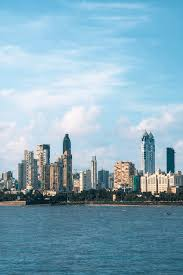
The region’s transformation has created several advantages.
Better Infrastructure
Improved roads, metro rail, airports, expressways, and industrial corridors have increased land values and reduced travel times.
Strong Employment Opportunities
The rise of IT parks, manufacturing clusters, fintech companies, and logistics hubs has generated consistent housing demand.
Diverse Investment Options
Buyers can now invest in:
- Affordable housing
- Mid-income projects
- Luxury apartments
- Villas
- Commercial offices
- Warehousing
- Retail spaces
- Holiday homes
Improved Market Transparency
RERA regulations have strengthened project accountability, helping buyers make informed decisions.
Challenges That Still Exist
Despite significant growth, several issues continue to affect the market.
High Property Prices
Cities like Mumbai remain among India’s most expensive real estate markets, making affordability a concern.
Land Scarcity
Limited availability of land in major cities has pushed development towards suburban and peripheral regions.
Infrastructure Delays
Although many projects are progressing rapidly, delays in execution can temporarily impact property appreciation.
Environmental Concerns
Rapid urbanization has increased pressure on natural resources, emphasizing the need for sustainable development.
Expert Tips Before Investing in West India
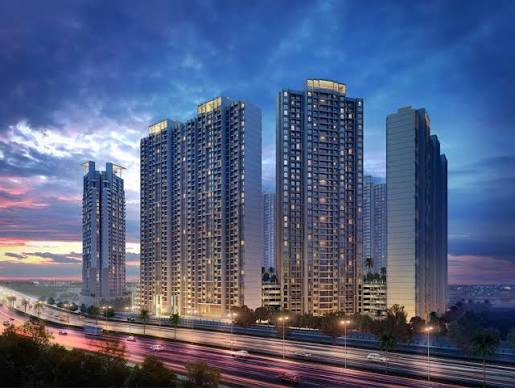
Whether you’re a first-time buyer or an experienced investor, consider these steps:
- Research the city’s future infrastructure plans.
- Verify RERA registration before purchasing.
- Evaluate rental demand and occupancy trends.
- Compare historical price appreciation.
- Check developer credibility.
- Consider upcoming metro or expressway connectivity.
- Review local employment growth.
- Diversify between residential and commercial assets when appropriate.
Long-term planning remains one of the safest strategies for property investment.
Indian Market Perspective and Emerging Trends
West India’s property market continues to evolve alongside India’s economic growth.
Infrastructure Will Continue Driving Demand
Major projects expected to influence the next decade include:
- Mumbai Metro expansion
- Navi Mumbai Airport
- Delhi-Mumbai Expressway
- Dedicated Freight Corridors
- High-speed rail initiatives
These developments are expected to unlock new residential and commercial corridors.
Luxury Housing Is Growin
High-net-worth individuals and NRIs continue investing in premium developments across Mumbai, Pune, and Goa.
Branded residences and integrated townships are becoming increasingly popular.
Warehousing and Logistics Are Expanding
The rise of e-commerce has accelerated demand for:
- Grade-A warehouses
- Industrial parks
- Logistics hubs
Cities like Ahmedabad, Pune, and Nashik are emerging as major logistics destinations.
Sustainable Development Is Becoming Essential
Developers increasingly focus on:
- Green buildings
- Energy-efficient homes
- Smart technologies
- Rainwater harvesting
- EV charging infrastructure
Sustainability is no longer optional—it has become a competitive advantage.
Conclusion
The story of how West India’s real estate has changed in the last 20 years reflects India’s broader economic transformation. Better infrastructure, regulatory reforms, industrial growth, technology, and rising urbanization have reshaped the region into one of the country’s strongest real estate markets.
While affordability and infrastructure execution remain ongoing challenges, the long-term outlook continues to be positive. Investors who focus on emerging corridors, infrastructure-led growth, and reputed developers are likely to benefit from the region’s continued expansion.
Stay updated with the latest real estate news on RealtyNMore.