Technology has shifted how we listen to buyers, says Elite Pro Infra’s Viren Mehta
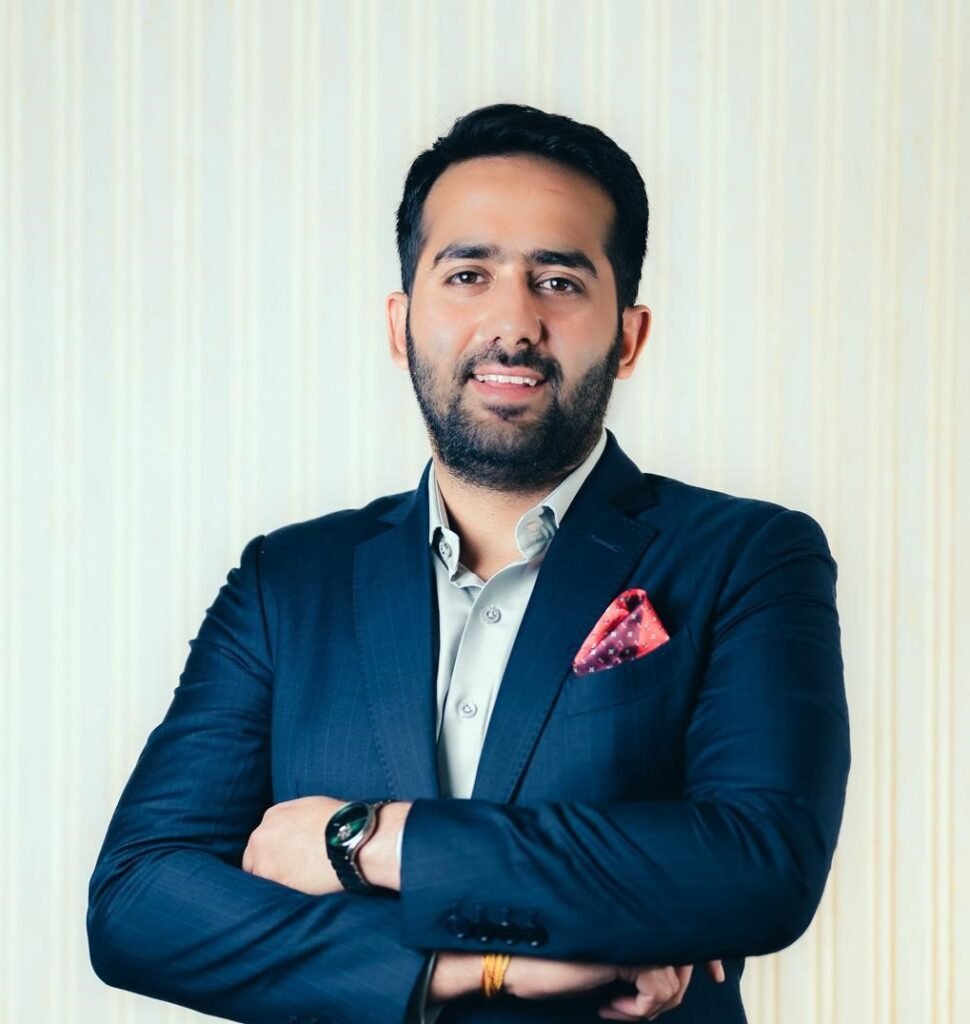
Viren Mehta, Founder and Director, Elite Pro Infra
Gurugram, January 12, 2026: Trust is the real currency, says Founder and Director of Elite Pro Infra Viren Mehta in a conversation on how real estate advisory is evolving, shifting buyer expectations in Gurugram, the role of data and technology, key residential and commercial micro-markets, and leadership in a trust-driven, intelligence-led market. Excerpts”
How do you define success as a real estate advisory today — is it transaction volume, value creation for clients, or something deeper like market intelligence and trust?
Success today is not just about how many deals you close—it’s about how well you guide people through complex decisions. Real estate has become far more layered, especially in markets like Gurugram. Buyers and investors are looking for someone who can help them interpret the market, not just participate in it. For us, success is when clients feel confident about why they are buying, not just what they are buying. That comes from market intelligence, timing advice, and honest conversations—even when it means advising clients to wait or look elsewhere. Trust is the real currency. When a client returns for their next investment or refers you to family and peers, that’s when you know you’re creating value beyond transactions.
What is the most important shift you’ve seen in buyer expectations in the Gurugram real estate market over the past 18–24 months?
Over the past 18–24 months, we have seen buyers becoming far more deliberate and informed. The era of impulse buying is largely over, which is reflected in longer decision cycles and a higher number of site visits and follow-up discussions before closure. Today’s buyer spends time understanding infrastructure timelines, developer track records, livability factors, and future resale potential. In Gurugram, especially, buyers are emotionally invested but financially disciplined. In H1, the city dominated the segment, accounting for an overwhelming 91% of NCR’s luxury sales, helping the NCR region secure nearly 65 per cent of luxury home transactions across the top seven cities. Buyers are asking sharper questions—about project delivery, connectivity, maintenance costs, and even community planning. There’s also a growing preference for long-term value over short-term possession. Many buyers are willing to wait if the location and product promise stronger appreciation and better lifestyle outcomes. This maturity in decision-making has raised the overall quality of demand in the market.
In the age of data and digital insights, how is Elite Pro Infra using technology (analytics, CRM, digital marketing) to better understand and serve buyers and investors?
Technology has shifted how we listen to buyers. At Elite Pro Infra, CRM and analytics help us move away from generic selling toward intent-driven advisory. We track where a buyer is in their decision cycle, what kind of inventory they engage with, and what price points they are comfortable exploring. This allows us to have more relevant, meaningful conversations instead of overwhelming clients with options. Digital marketing gives us real-time feedback on demand patterns across micro-markets, while data insights help us advise clients on timing; when to enter, hold, or exit. Importantly, technology doesn’t replace human judgment; it sharpens it. The goal is to make the buying journey more transparent, efficient, and personalised.
What are the key residential micro-markets in Gurugram right now — and what factors (infrastructure, amenities, pricing) are driving demand in those areas?
Dwarka Expressway, New Gurugram sectors, and parts of Golf Course Extension Road are clearly leading residential demand today. Housing prices across the Dwarka Expressway surged about 3.5 times in 2025 due to high consumer demand. What we observed was that the common thread across these micro-markets is infrastructure-led growth. Improved road connectivity, proximity to employment hubs, and the rise of integrated developments have reshaped buyer confidence. Pricing in these areas still offers a balance; premium enough to signal quality, but with enough headroom for future appreciation. Buyers are also responding to better planning: wider roads, green spaces, and organised social infrastructure. What’s interesting is that demand here is no longer speculative. It’s driven by end-users and long-term investors who see these locations as future-ready rather than just emerging.
With structured office leasing and corporate occupiers picking specific locations, how do you see Gurugram’s commercial sector shaping up compared to other NCR hubs?
Gurugram has evolved into NCR’s most structured and institutionally driven commercial market. In H1 2025, the city alone accounted for nearly 65 per cent of the office leasing. The surge was driven largely by strong demand from global capability centres (GCCs), IT services firms and domestic corporates for Grade-A office spaces. Gurugram offers what global and domestic firms look for: Grade A office stock, strong connectivity, social infrastructure, and access to talent. Locations like Cyber City and Golf Course Road continue to dominate, while emerging sectors are benefiting from planned supply and better compliance standards. Compared to other NCR hubs, Gurugram offers depth and diversity; IT, consulting, BFSI, and new-age enterprises coexist here. This creates long-term leasing stability and makes the market attractive for institutional investors as well.
SCO projects are gaining interest in NCR — what makes SCO investments in Gurugram attractive for businesses and investors today?
SCO projects offer flexibility at a time when businesses want control over their space. In Gurugram, SCOs are positioned along high-growth corridors with strong residential catchments, which naturally support retail and office demand. For end-users, the appeal lies in customisation and ownership, something traditional commercial assets often don’t allow. For investors, SCOs present multiple income possibilities across retail, office, and F&B. Limited supply and growing acceptance among organised brands have further strengthened demand. What we’re seeing is a shift from purely yield-driven investments to assets that combine usability, visibility, and long-term appreciation.
What is your leadership philosophy — how do you build trust with clients in a market that’s increasingly competitive and data-driven?
Leadership today is about clarity and credibility. In a market flooded with information, clients don’t just want data, they want perspective. My approach has always been to keep conversations honest and grounded, even if that means advising against a transaction. Trust is built when clients feel you are aligned with their long-term interests, not short-term outcomes. We focus heavily on education; explaining risks, timelines, and market realities in simple language. Consistency in advice, ethical practices, and staying accessible throughout the buying journey are non-negotiable. In the long run, trust compounds far more than transactions.