How Real Estate Development Transforms Rural Areas in India
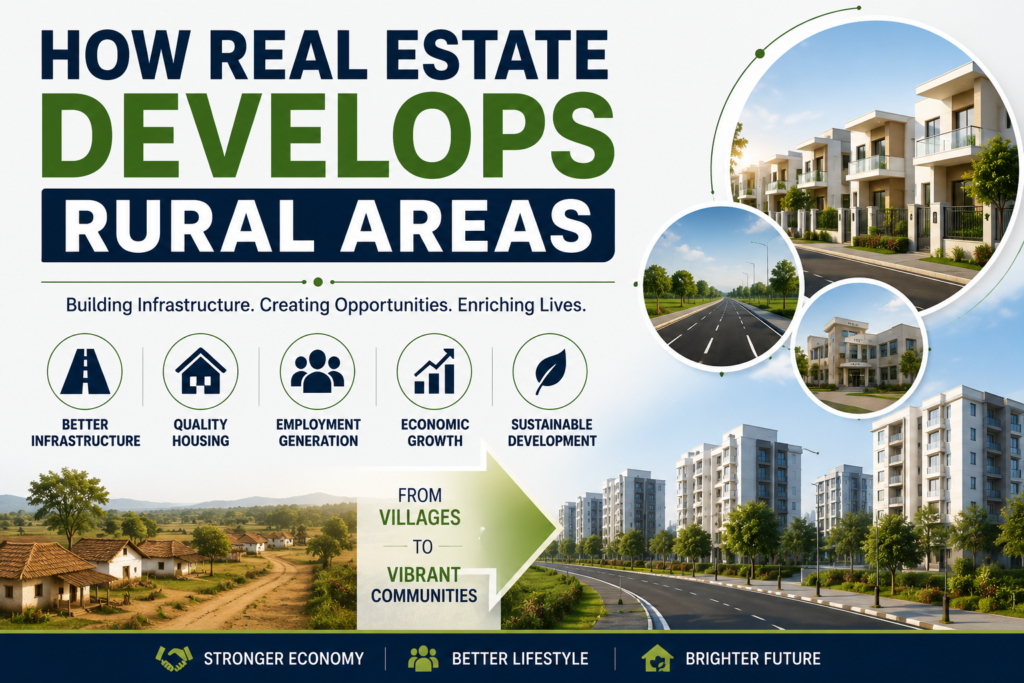
India’s real estate sector is no longer limited to metropolitan cities and urban centers. Over the past decade, increasing infrastructure investments, government initiatives, industrial expansion, and improved connectivity have accelerated how real estate develops rural areas across the country. Villages and semi-rural regions are gradually transforming into vibrant economic hubs with better housing, roads, healthcare, education, and employment opportunities.
As urban land becomes more expensive, developers and investors are exploring rural markets that offer long-term growth potential. This shift is not only creating new investment opportunities but also improving the quality of life for millions of people living in rural India. In this article, we explore how real estate development contributes to rural transformation, its benefits, challenges, and what the future holds for India’s emerging rural markets.
Why Rural Real Estate Development Matters

Traditionally, rural areas depended largely on agriculture for employment and economic activity. However, rapid urbanization has increased pressure on cities, leading governments and private developers to focus on balanced regional development.
Real estate plays a vital role in this transformation by supporting infrastructure, housing, commercial spaces, and industrial projects. These developments improve accessibility, attract businesses, create jobs, and raise living standards.
Today, rural development is increasingly linked with better roads, logistics parks, industrial corridors, affordable housing, and digital connectivity—all of which are supported by real estate investment.
How Real Estate Develops Rural Areas
Improved Infrastructure
Infrastructure is one of the biggest drivers of rural development.
Real estate projects often encourage investments in:
- National highways
- Rural roads
- Bridges
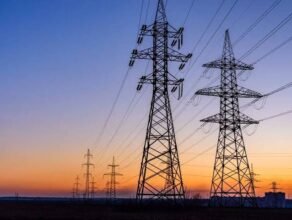
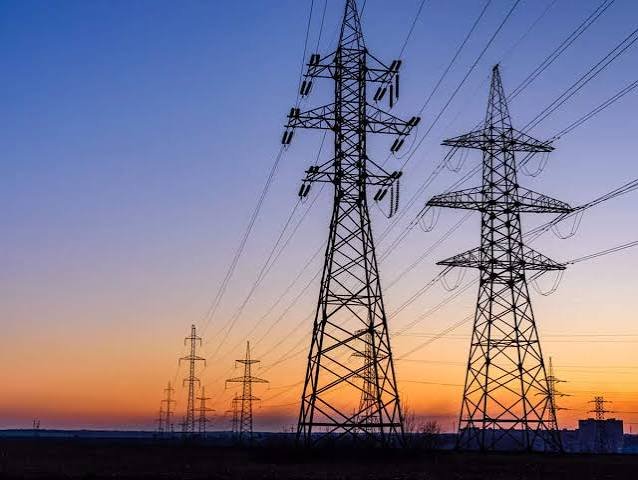
- Electricity networks
- Water supply
- Sewage systems
- Internet connectivity
Better infrastructure reduces travel time, improves access to markets, and enhances overall quality of life.
For example, villages located near expressways, industrial corridors, or new airports have witnessed significant growth in property demand and economic activity.
Affordable Housing Development
Government housing schemes and private developers have increased the supply of quality housing in rural regions.
Affordable housing projects provide:
- Better sanitation
- Modern construction
- Safe drinking water
- Improved living conditions
- Planned residential communities
Initiatives such as the Pradhan Mantri Awas Yojana (PMAY) have further accelerated housing development in rural India.
Employment Generation
Real estate contributes to employment at multiple levels.
Construction projects create jobs for:
- Engineers
- Architects
- Contractors
- Skilled laborers
- Electricians
- Plumbers
- Carpenters
- Local suppliers
Even after completion, commercial developments generate employment in retail, hospitality, maintenance, healthcare, and education.
This diversified employment reduces dependence on agriculture alone.
Better Social Infrastructure
As residential communities expand, demand for social infrastructure also increases.
Developers and governments invest in:
- Schools
- Hospitals
- Banks
- Shopping centers
- Community halls
- Recreational facilities
These amenities significantly improve the standard of living in rural regions.
Boost to Local Businesses
New residential and commercial developments increase demand for local goods and services.
Small businesses such as:
- Grocery stores
- Restaurants
- Hardware shops
- Transport services
- Agricultural equipment suppliers
benefit from increased consumer spending.
This creates a positive economic cycle that supports long-term regional development.
Key Benefits of Rural Real Estate Development
Economic Growth
Real estate stimulates local economies through construction activity, infrastructure investment, and increased commercial opportunities.
Property development also generates tax revenue that can be reinvested into public services.
Rising Property Values
Infrastructure improvements generally increase land values over time.
Land located near:
- Industrial corridors
- Highways
- Logistics parks
- Educational institutions
- Manufacturing hubs
often experiences significant appreciation.
This benefits both investors and local landowners.
Reduced Migration
One of the major reasons for migration is the lack of employment opportunities in villages.
As rural areas become economically stronger, residents can find jobs closer to home.
Reduced migration also eases pressure on overcrowded urban centers.
Improved Connectivity
Roads, railways, airports, and digital infrastructure connect villages with nearby cities.
Improved connectivity enables:
- Easier commuting
- Faster logistics
- Better healthcare access
- Educational opportunities
- Business expansion
Connectivity is often the foundation of successful real estate growth.
Better Quality of Life
Modern housing, reliable utilities, healthcare, education, and employment collectively improve living standards for rural families.
Real estate development contributes to creating more sustainable and self-sufficient communities.
Challenges in Rural Real Estate Development
Despite its potential, rural real estate also faces several obstacles.
Land Acquisition Issues
Ownership disputes and fragmented land records can delay development projects.
Digitization of land records is helping improve transparency, but challenges remain in many regions.
Limited Infrastructure
Some rural locations still lack basic infrastructure, making large-scale development difficult.
Developers often need additional investments before projects become viable.
Financing Constraints
Banks may be cautious when financing projects in less-developed rural markets.
Similarly, homebuyers sometimes face limited financing options due to lower property valuations.
Environmental Concerns
Development should be carefully planned to protect agricultural land, forests, wetlands, and biodiversity.
Sustainable planning is essential for long-term growth.
Best Practices for Sustainable Rural Development
Responsible real estate development should prioritize long-term community benefits.
Developers should focus on:
- Environmentally sustainable construction.
- Preserving agricultural productivity.
- Community participation.
- Affordable housing.
- Efficient water management.
- Renewable energy adoption.
- Green building practices.
- Local employment generation.
Balanced development creates lasting economic and social value.
Rural Real Estate Trends in India
India is witnessing growing interest in rural and semi-urban real estate due to multiple factors.
Infrastructure Expansion
Projects such as:
- Bharatmala
- Sagarmala
- Dedicated Freight Corridors
- Industrial Corridors
- New expressways
- Regional airports
are improving accessibility across many rural districts.
Rise of Industrial Clusters
Manufacturing hubs and logistics parks are creating demand for housing and commercial properties in surrounding villages.
Growth of Smart Villages
Digital infrastructure, renewable energy, and modern civic facilities are encouraging the development of “smart villages.”
These initiatives aim to bridge the gap between urban and rural living standards.
Increased Investor Interest
Investors are increasingly exploring land parcels near upcoming infrastructure projects because of their long-term appreciation potential.
However, due diligence remains essential before purchasing rural property.
Indian Market Perspective
India’s rural real estate market is expected to play an increasingly important role in the country’s economic growth. Government investment in highways, industrial corridors, affordable housing, logistics infrastructure, and digital connectivity is creating new opportunities beyond traditional urban centers.
States such as Uttar Pradesh, Maharashtra, Gujarat, Tamil Nadu, Karnataka, Telangana, and Rajasthan are witnessing increased rural development due to infrastructure-led growth. Areas surrounding expressways, freight corridors, manufacturing zones, and regional airports have emerged as attractive destinations for residential and commercial investment.
The implementation of RERA has improved transparency in organized real estate projects, while affordable housing initiatives continue to encourage homeownership across smaller towns and rural regions. As India’s infrastructure network expands, rural real estate is likely to become an increasingly attractive segment for both end-users and long-term investors.
Conclusion
Real estate development has become a powerful catalyst for transforming rural India. By improving infrastructure, creating employment, encouraging affordable housing, and attracting businesses, it contributes significantly to economic and social progress. While challenges such as land acquisition, financing, and environmental sustainability remain, responsible planning can unlock immense growth potential for rural communities.
For homebuyers and investors, emerging rural markets present opportunities driven by infrastructure and connectivity. However, investment decisions should always be based on thorough research, legal verification, and an understanding of local market conditions.
Disclaimer: This article is intended for informational purposes only and should not be considered financial, legal, or investment advice. Readers are advised to conduct independent due diligence and consult qualified professionals before making any real estate investment decisions.
Stay updated with the latest real estate news, buying guides, and market insights on RealtyNMore.