Urban Indians Need Rs 2.5-6 Crore Corpus for Post-Retirement Living, Finds Study
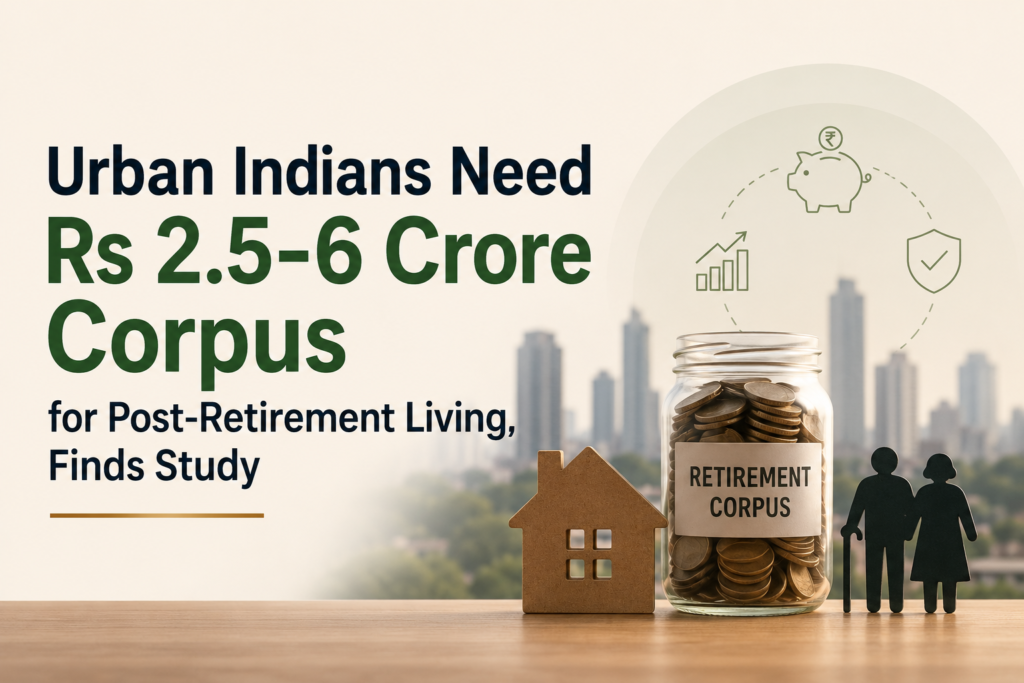
New Delhi, August 19, 2026: Urban Indians may require a retirement corpus ranging between Rs 2.5 crore and Rs 6 crore to maintain a comfortable and dignified lifestyle for 25 to 30 years after retirement, according to a recent study by Jeevin Consulting. The report, titled The Cost of Ageing in India, highlights that while conventional retirement planning generally accounts for routine household expenses, it frequently underestimates the long-term financial impact of healthcare, caregiving, assisted living, and senior housing.
To estimate the actual expense of growing older across Indian cities, the study proposed an “Ageing Cost Index,” which combines living and housing expenses with healthcare, caregiving, and long-term support requirements. The report noted that the total retirement corpus required by an individual ultimately depends on the specific city, chosen lifestyle, housing arrangement, medical needs, and the degree of care necessary during old age.
Healthcare inflation was identified as one of the single largest threats to retirement savings. The study estimated healthcare inflation in India at 10 to 14 percent, which is nearly double the rate of general inflation. Furthermore, individuals above the age of 60 may spend two to four times more on healthcare compared to those of working age.
When examining senior accommodation, the study emphasized that the cost of retirement housing should not be evaluated solely on the purchase price of a home or monthly rent. Recurring expenditures on maintenance, food, housekeeping, security, healthcare, nursing, and emergency assistance significantly escalate the overall cost of living. In ownership-based senior living communities, recurring monthly expenses range from Rs 30,000 to Rs 60,000 in affordable projects, while rising to Rs 1-2 lakh or more in premium communities depending on the services provided. In rental-based senior living projects, monthly rentals range between Rs 20,000 and Rs 45,000 in the affordable category, scaling up to Rs 75,000 to over Rs 2 lakh in luxury retirement residences.
The research also outlined substantial regional disparities in the cost of independent retirement living across major Indian cities. Annual expenses were estimated at Rs 6-10 lakh in Delhi-NCR, Rs 6-9 lakh in Mumbai, Rs 5-8 lakh in Bengaluru, Rs 4.5-7 lakh in Hyderabad and Chennai, Rs 4-6.5 lakh in Pune, and Rs 4-6 lakh in Kochi. Consequently, maintaining an independent retirement lifestyle in Delhi-NCR could cost up to 2.5 times more than in Kochi, primarily driven by elevated housing, healthcare, and caregiver expenses.

Detailing the broader objective behind the findings, Muralidhara C.P., Founder, Jeevin Consulting & Jeevin Senior Care, stated, “At a time when everyone wants to know how much to save for retirement, there is minimal discussion around how much ageing will cost an individual. Through this paper, we are trying to provide a framework wherein families, financial planners, the insurance sector, developers and policymakers can come together to plan for an ageing population. As we move towards having more seniors, it’s important to evolve financial planning from wealth creation to lifetime preparation for retirement. This will allow us to not only create greater financial confidence but also ensure people can make calculated choices around healthcare access and retirement living options.”
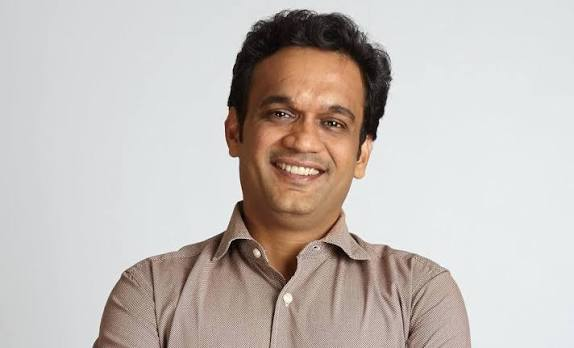
Industry experts echoed the report’s emphasis on comprehensive financial readiness that integrates lifestyle and care obligations. Ankur Gupta, JMD, Ashiana Housing, remarked that “Senior living needs to be viewed not just as a housing option, but as a lifestyle that brings together safe and independent living, wellness, community, convenience and the support people may need as they age. Retirement is an opportunity to pursue the activities one enjoys and lead an active and purposeful life, but this lifestyle also comes with associated costs. From wellness and community facilities to convenience, maintenance and support services, these aspects form an important part of the overall cost of living after retirement. Therefore, financial preparedness needs to go hand in hand with planning for the kind of lifestyle one wants to lead in the years ahead. Well-designed senior living communities can bring many of these elements together in one environment, enabling residents to plan not only for their financial needs but also for a more independent, engaging and fulfilling retirement.”

Addressing the evolving market dynamics in regional hubs, Anantharam V. Varayur, Co-Founder, Manasum Senior Living, noted that “Southern India has witnessed a gradual but meaningful shift in the acceptance of organised senior living, driven by changing family structures, longer life expectancy and growing awareness of planned retirement. As the sector evolves, the conversation must move beyond housing to include the lifelong costs of care, wellbeing and assisted living. With healthcare inflation continuing to outpace general inflation, planning for retirement increasingly requires a deeper understanding of the long-term cost of care alongside housing. This report is significant because it quantifies those realities and reinforces the need for retirement communities that can deliver both financial predictability and quality of life over the long term.”
Commenting on the long-term potential of the sector, Tanya Saboo, Co-founder, Amaya Vera Vita Senior Living, shared that “India’s longevity economy is witnessing unprecedented growth and has opened up exciting opportunities for residential real estate players looking to provide integrated senior living solutions encompassing housing, healthcare, hospitality and lifestyle. With an ageing population and rising life expectancy, retirement housing needs to be viewed as long-term social infrastructure rather than a ‘convenience’ real estate category. This report helps highlight the value of retirement housing as well as the need for informed decision-making based on demographic insights.”
In conclusion, the study highlighted that while the expansion of organized senior living and rental-based retirement communities will offer older individuals a wider array of housing options, families must meticulously evaluate the full lifetime costs of these choices rather than focusing exclusively on initial purchase prices or base monthly rents.