RBI Hikes Repo Rate to 5.50%, Shifts Stance to Calibrated Tightening; Real Estate Leaders Foresee Measured Impact
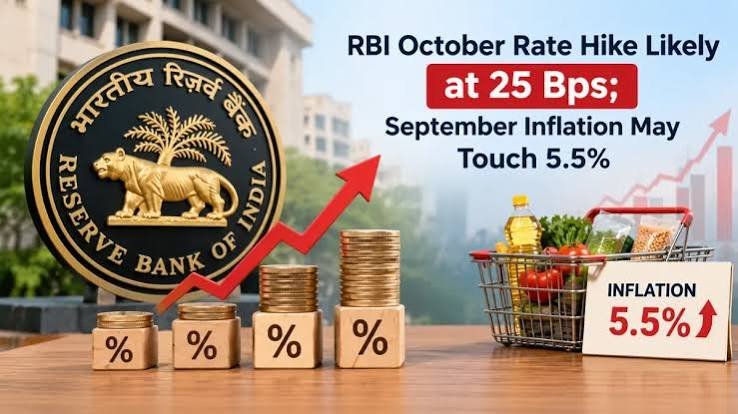
Mumbai, October 8, 2026: The Reserve Bank of India’s (RBI) Monetary Policy Committee (MPC) on Wednesday unanimously decided to raise the policy repo rate by 25 basis points (bps) from 5.25% to 5.50%. Reversing its previous positioning, the central bank also shifted its monetary policy stance to ‘Calibrated Tightening’, signaling a tighter rein on price stability amid heightened macroeconomic headwinds, persistent global inflation risks, and rising crude oil volatility.
The rate hike—the first since February 2023—comes as rising geopolitical tensions in West Asia and lingering global supply chain disruptions threaten domestic inflation targets. For real estate, the timing is significant as the sector enters the festive buying season, when housing activity typically sees a pick-up. The move is expected to push up borrowing costs at a time when homebuyers are already factoring in property prices, loan affordability, and monthly EMIs before making a purchase. While the immediate impact is likely to be felt across interest-rate-sensitive segments, the broader industry expects the increase to bring some caution into the housing market rather than trigger a sharp slowdown in demand.
Macroeconomic Drivers and Central Bank Stance
Addressing the policy shift, real estate leaders emphasized that while a status quo would have provided smoother momentum, the sector’s underlying fundamentals remain sturdy enough to absorb the quarter-point hike.

Pradeep Aggarwal, Founder and Chairman, Signature Global (India) Ltd., highlighted the balancing act faced by the central bank: “The RBI’s decision to raise the repo rate by 25 bps from 5.25% reflects its commitment to price stability amid a challenging macro backdrop. While housing demand has been supported by rising incomes, urbanisation and a growing aspiration for homeownership, and has stayed resilient even through global uncertainty, volatile crude prices, currency pressures and persistent inflation risks have made the central bank’s task a delicate one. The RBI has consistently balanced growth and stability, and this decision reflects the prevailing macro realities. That said, a stable repo rate would have better sustained the current demand momentum. Higher borrowing costs may temporarily moderate buyer sentiment, particularly in the mid-income segments. Still, with strong fundamentals, and the upcoming festive season, we expect the sector to remain resilient.”

Shekhar Patel, President, CREDAI, said, “The RBI’s decision to increase the repo rate by 25 basis points from 5.25% to 5.50%, which is the first rate hike since February 2023, needs to be seen in the context of what is happening globally. Besides, the stance has also been changed to calibrated tightening. The SDF rate now stands at 5.25%, while the MSF rate and Bank Rate have been raised to 5.75%. Taken together, these measures will have a bearing on the cost and availability of funds, and the impact on liquidity will need to be watched. RBI has also expressed concerns around inflation, crude prices and the wider global economic environment. However, we should also not lose sight of India’s robust growth trajectory. The need for housing will continue to grow as our cities expand and urbanisation increases. We are also entering the festive season, which is an important period for the housing market, and the increase in borrowing costs could have some impact on sales during this period, although the underlying demand for housing remains strong. At the same time, we should understand that for a homebuyer, the interest rate at any particular point is only one part of a much longer decision. A home loan is generally a commitment of at least 15 years. During that period, there will be times when rates go up and times when they come down. We should not look at repo rate changes in isolation. What matters is the long term outlook for the economy & overall growth.”

Manoj Gaur, CMD, Gaurs Group, said, “The decision to increase the repo rate by 25 basis points comes from the RBI’s need to balance inflationary pressures with India’s strong growth momentum. This is the first increase in the repo rate after almost three years, making the decision particularly significant in the current economic environment. The 7.8% real GDP growth in the first quarter is encouraging and shows the resilience of the domestic economy despite global headwinds. For the real estate sector, what matters is that the economy continues to grow and housing demand remains strong. Urbanisation, infrastructure creation and the need for better housing will continue to support demand. With the festive season underway, we remain confident about the outlook for the sector.”

Mayank Jain, CEO, KREEVA, said, “The RBI’s decision to raise the repo rate by 25 basis points is understandable given the renewed pressure from crude prices and the global inflation outlook. The change in stance to calibrated tightening also shows that the RBI is prepared to act if inflationary pressures persist. At the same time, India’s domestic economy remains resilient, with real GDP growth at 7.8% in Q1. For real estate, the key will be how these changes play out through financing conditions and liquidity. The underlying demand for housing remains strong, and a single rate increase needs to be seen in the context of a long-term market rather than as a change in the broader housing outlook.”
Market Impact Across Housing Segments
Echoing a measured outlook, global property consulting firms and industry developers noted that while interest rate sensitivity is present in mid-market housing, premium segments and overall structural demand in India continue to offer a strong safety net.

Anshuman Magazine, Chairman & CEO – India, South-East Asia, Middle East & Africa, CBRE, stated: “We expect the impact on housing demand to stay measured, particularly in the mid and premium segments, where the underlying demand is still healthy. A 25 basis point increase in the repo rate will push borrowing costs up a little, but we expect the sector to hold up. The current inflationary environment, driven by the West Asia conflict, high crude prices and supply chain disruptions, is somewhat reminiscent of what we saw in 2022 after the Russia-Ukraine conflict. India’s growth fundamentals, though, are relatively strong, and that gives housing demand a supportive backdrop. What matters from here is where inflation and interest rates go, and whether this increase stays a calibrated response rather than the start of a long tightening cycle.”
Avneesh Sood, Director, Eros Group, said, “The 25-basis-point hike in repo rate to 5.50% is a big shift in the interest rate environment for real estate, especially as the RBI changes its stance from neutral to calibrated tightening. Although the near-term impact of one hike should be manageable, given the resilience in economic growth and the underlying demand for housing, the outlook for additional tightening means affordability is an important consideration. First-time and price-sensitive buyers, who are reliant on mortgages, will likely be more affected than premium homebuyers with stronger balance sheets. For developers, a sustained rise in rates could also increase the cost of financing and affect project economics. The main variable for the sector will therefore be the evolution of accumulated rates. A calibrated tightening cycle should remain absorbable, while extended increases could gradually temper demand in the more rate sensitive housing segments.”

Deepak Kapoor, Director, Gulshan Group, said, “We welcome the RBI’s decision, which comes at a time when global economic conditions remain uncertain and inflationary pressures are being closely watched. The 25 basis point increase is a measured step, and India’s strong economic growth gives confidence that the housing market can absorb it. For homebuyers, housing decisions are made over many years and one rate movement does not change the larger calculation around owning a home. We continue to see genuine demand from families looking for better lifestyles, larger homes and well-planned communities. With the festive season underway, we believe this demand will continue to support the residential market, particularly the luxury housing segment.”

B.K. Malagi, CEO & Vice Chairman, Experion Developers, said, “The RBI’s decision to raise the repo rate by 25 basis points to 5.50% reflects a calibrated response to evolving inflationary and global economic conditions. While borrowing costs may see a marginal adjustment, India’s underlying economic fundamentals remain resilient, supported by strong GDP growth and sustained consumer confidence. From a real estate perspective, we do not expect a 25-basis-point increase to materially impact housing demand, particularly in the premium and luxury segments, where purchase decisions are driven more by long-term wealth creation, lifestyle aspirations and the quality of the offering than by marginal movements in interest rates. With the festive season underway, we expect buyer sentiment and demand momentum to remain positive.”

Aman Trehan, Executive Director, Trehan IRIS, said, “The RBI’s decision to raise the repo rate reflects the need to respond to the evolving inflationary and global economic environment. From a residential real estate perspective, the immediate impact will largely be through borrowing costs and affordability, particularly for marginal buyers who remain sensitive to changes in financing rates. However, the underlying demand for housing continues to be supported by end-user requirements, improving income prospects and the long-term value proposition of quality residential assets. While higher financing costs may lead some buyers to reassess the timing of their purchase, we do not expect a measured rate increase to materially alter the broader trajectory of the residential market. Buyers today are increasingly evaluating homes based on location, product quality, amenities and long-term value, alongside financing considerations. With the festive season underway, we expect serious homebuyers who have been evaluating properties over the past few months to continue with their purchase decisions. The key for the sector will be how inflation, liquidity and borrowing costs evolve from here, while strong project fundamentals and sustained end-user demand should continue to support residential activity.”

Uddhav Poddar, CMD, Bhumika Group, said, “The RBI’s decision to raise the repo rate is a measured response to the renewed inflationary pressures from elevated crude prices and the evolving global financial environment. From a real estate perspective, the impact will be felt primarily through borrowing costs, liquidity and the transmission of rates across the financial system. However, the broader economic backdrop remains encouraging. For residential real estate, higher financing costs may influence affordability and purchase decisions at the margin, but end-user demand remains anchored by long-term housing requirements. In commercial real estate, investment decisions are influenced by a broader set of factors, including business expansion, employment, capital flows and institutional appetite, and these fundamentals remain constructive. While the financial markets will continue to assess the implications of a calibrated tightening cycle, we believe a measured rate adjustment by itself does not alter the long-term investment case for Indian real estate. The sector’s underlying fundamentals remain positive, and the key will be how inflation, liquidity and interest rates evolve from here.”

Gurpal Singh Chawla, Managing Director, TREVOC Group, said, “The RBI’s decision to increase the repo rate by 25 basis points to 5.50% is a fine balancing act. The decision comes against a backdrop of global inflationary pressures and volatility in crude prices, while India’s domestic economy continues to be resilient. The 7.8% real GDP growth in Q1 is encouraging and provides a strong foundation for continued housing demand. For real estate, predictability in financing conditions remains important, particularly during the festive season when homebuyer activity is higher. We believe the current rate environment will have a limited impact on genuine end-user demand, especially in markets where infrastructure development and improving connectivity continue to create long-term residential opportunities.”

Saurab Saharan, Group Managing Director, HCBS Developments Ltd., said, “The RBI’s decision to increase the repo rate by 25 basis points comes at a time when inflationary pressures and crude prices have moved higher. For homebuyers, however, the residential market today is in a different position from where it was when interest rates were last increased more than three years ago. Homebuyers have become accustomed to the prevailing interest-rate environment, and a home purchase continues to be driven by factors such as household finances, financial planning and long-term requirements. A 25 basis point increase is therefore unlikely to change the broader direction of housing demand. With the festive season underway, we expect buyers to continue with their plans and developers to maintain their launch and execution schedules.”

Preksha Singh, CEO, Agrasheel Infra, said, “The RBI’s 25-basis-point repo rate hike to 5.5% reflects the need to manage inflation while maintaining macroeconomic stability. In the near term, higher borrowing costs may influence home loan affordability and buyer sentiment, particularly for interest-rate-sensitive segments. However, India’s underlying housing demand remains resilient, supported by urbanisation, infrastructure growth and improving consumer confidence. For developers, this environment reinforces the importance of offering well-planned, value-driven projects that deliver long-term value and remain aligned with evolving buyer expectations.”
Developer and Advisory Outlook on Homebuyer Sentiment

Amit Modi, Director, County Group, said, “The RBI’s decision to raise the repo rate to 5.5 per cent underscores the importance of maintaining economic stability while supporting broader growth. While borrowing costs remain an important consideration for homebuyers, we believe the underlying demand for quality housing continues to remain strong. Buyers are increasingly evaluating properties through the lens of location, construction quality, connectivity and long-term value. For the industry, this presents an opportunity to focus on delivering well-planned developments that align with evolving consumer aspirations and support sustainable growth in the housing market.”

Sanjay Sharma, Director, SKA Group, said, “The RBI’s 25-basis-point repo rate hike to 5.5% reflects confidence in the resilience of the Indian economy and its growth trajectory. For real estate, the fundamentals remain exceptionally strong, with sustained housing demand, rising aspirations and continued infrastructure development supporting the sector’s momentum. We see this as an encouraging phase for residential real estate, where homebuyers are increasingly seeking quality, well-planned communities and long-term value. The sector’s strong fundamentals and evolving consumer preferences will continue to create significant opportunities for developers and buyers alike.”

Yash Miglani, Managing Director, Migsun Group, said, “The move by the RBI to increase the repo rate by 25 basis points to 5.50% comes at a time when the real estate sector is seeing stable demand. Although the rate hike is expected to affect borrowing costs slightly, we feel that genuine buyers would continue to buy, especially in those markets where there is a lot of employment opportunities and infrastructural development. The move is expected to have a more moderating effect rather than being disruptive, with buyers continuing to take decisions depending on the factors of affordability and value.”

Ashwinder R. Singh, Vice Chairman, BCD Group and Chairman, CII Committee on Real Estate (NR), said, “The real impact of this rate hike is not on demand alone; it is on behaviour. Buyers will negotiate harder, lenders will underwrite tighter, and developers will have to convert inventory into cash faster. That discipline may actually be healthy for the sector.”

Salil Kumar, Director – Business Management & Marketing, CRC Group, said, “The RBI’s 25-basis-point increase brings affordability and repayment planning into sharper focus for the housing market. Homebuyers may take more time to assess financing options, making clarity on the total purchase cost and confidence in project delivery increasingly important. We believe homeownership sentiment will remain positive, particularly among families buying for their own use. The central bank’s emphasis on price stability supports a sound economic environment over the longer term. For the industry, this adjustment calls for realistic purchase timelines, with buyer interest likely to translate into transactions where financial comfort and project credibility are closely aligned.”

Mohit Gawri, VP, Rise Infraventures Limited, said, “The RBI’s decision to raise the repo rate by 25 basis points reflects its focus on maintaining economic stability as inflationary pressures evolve. From a real estate advisory perspective, this is a moment to keep the conversation centred on fundamentals rather than a single policy movement. Buyers should evaluate location, developer credibility, financing options and their own investment horizon. We believe well-chosen residential and commercial assets can continue to attract interest where the underlying value proposition is clear. Our role is to help clients make informed decisions, with realistic financial planning and a sharper understanding of each market’s opportunities.”
Prateek Tiwari, Managing Director, Prateek Group, said, “The RBI’s 25-basis-point rate increase may prompt homebuyers to review their loan budgets and repayment plans more closely. We believe housing sentiment will remain constructive, with families weighing financing costs against their need for a home and the value a project offers. The decision reinforces the importance of price stability in supporting long-term economic confidence. In the residential market, buyers are likely to be more selective, prioritising location, developer credibility and delivery assurance. We expect purchase decisions to become more measured, with financial preparedness and confidence in the project playing a greater role in converting buyer interest into transactions.”

Tejpreet Singh Gill, Managing Director, Gillco Group, said, “The RBI’s decision to increase the repo rate comes at a time when inflationary pressures and crude prices have again become a concern. However, the fundamentals driving real estate remain intact. Demand today is increasingly coming from genuine end users, supported by urbanisation, infrastructure development and improving connectivity. These factors are not altered by a single movement in the repo rate. For developers and homebuyers, what remains important is the broader economic environment and the confidence to take long-term decisions.”
Amogh Bansal, MD, MUREC, said, “The RBI’s decision to raise the repo rate by 25 basis points to 5.50% comes at a time when the residential market continues to see steady interest from homebuyers. While borrowing costs are an important part of a home purchase decision, buyers today are also looking closely at connectivity, infrastructure, quality of development and the long-term potential of a location. From a developer’s perspective, the focus remains on understanding these evolving requirements and bringing the right supply to the market. We believe the underlying demand for quality housing remains positive, and the current rate movement should be viewed as one of several factors shaping the market rather than in isolation.”
Regional and Micro-Market Dynamics

Ashish Agarwal, Director, AU Real Estate, stated: “The 25 bps increase in the repo rate is likely to bring a little more consideration to financing decisions, but the underlying housing demand in NCR remains steady. Homebuyers today are looking beyond the immediate cost of borrowing and evaluating factors such as location, connectivity, quality of construction and long-term value. For genuine end-users, the decision to buy is increasingly linked to lifestyle and life-stage needs. A measured approach from buyers is expected, with preference continuing to favour well-located, thoughtfully planned homes that offer a clear value proposition.”

Rajjath Goel, Managing Director, MRG Group, said, “The RBI’s 25-basis-point increase reinforces its focus on price stability, while encouraging homebuyers to assess borrowing commitments more carefully. With the festive season approaching, we believe the aspiration to mark an important family milestone through homeownership can remain a meaningful influence on purchase decisions. Buyers may be more considered in their choices, balancing financial comfort with the benefits of a well-connected, thoughtfully planned community. In corridors such as Dwarka Expressway, connectivity and lifestyle value remain important considerations. We expect festive sentiment to support buyer interest, with greater emphasis on homes that offer enduring utility and meet the family’s evolving needs.”

Manoj Kumar Garg, Chairman, Northwind Estates, said, “The RBI’s 25 basis point increase in the repo rate marks a shift from the rate stability seen through 2026. The move comes in response to renewed inflationary pressures and volatility in crude prices. For residential real estate, however, demand continues to be supported by economic confidence and the need for housing. Homebuyers are taking a long-term view, and we do not expect this increase to change their decisions materially. With the festive season underway, we expect the residential market to remain steady and continue its growth momentum.”

Harvinder Singh Sikka, Chairman, Sikka Group, said, “The RBI’s 25-basis-point repo rate hike is likely to have some impact on home loan interest rates and EMIs. However, real estate demand in markets such as Noida and Greater Noida remains strong. Improved connectivity, expressways, metro expansion and the rapid development of commercial hubs are making these areas increasingly attractive to homebuyers and investors. In the short term, some buyers may take a more cautious approach to their purchase decisions due to higher interest rates. However, we do not expect the rate hike to have a significant impact on demand for projects with good locations and strong infrastructure. We remain confident that continued economic activity and ongoing infrastructure development across the NCR will support the long-term growth of the real estate sector.”
Karan Khanna, Founder, Apex Acreages Pvt Ltd, said, “The RBI’s 25-basis-point increase in the repo rate, from 5.25% to 5.50%, is a measured move and its impact on housing will depend on how lending rates translate for individual borrowers. The residential market has shown healthy momentum, and we expect buyers to continue evaluating homes based on a combination of affordability, location and long-term value. Well-connected locations with strong employment and infrastructure fundamentals should continue to attract genuine demand. At this stage, we see the rate movement as a factor to watch rather than something that changes the broader direction of the market.”
Sunil Goel, Managing Director, Numax Group, said, “The 25-basis-point increase in the repo rate is likely to impact the real estate sector primarily through higher home loan interest rates. The impact may be more noticeable in Tier-2 and Tier-3 cities, where homebuyers tend to be more sensitive to interest rates and EMIs, potentially affecting their purchase decisions in the short term. However, the overall impact is unlikely to be significant, as demand for affordable and mid-segment housing remains strong in these markets. Over the long term, improving employment opportunities, infrastructure and connectivity will continue to support the growth of the real estate market in Tier-2 and Tier-3 cities.”

Kushagra Ansal, Director, Ansal Housing, said, “The RBI’s 25-basis-point repo rate hike may have some impact on home loan interest rates and EMIs. However, we expect the overall impact on the real estate market to remain limited. The demand for housing continues to remain strong, driven by genuine buyer requirements. In particular, real estate demand in Tier-2 and Tier-3 cities is growing steadily, supported by better connectivity, infrastructure development and increasing employment opportunities. Buyers today are looking beyond just pricing and are also giving importance to location, amenities and project quality. While the rate hike may make buyers slightly more cautious about their purchase decisions in the short term, the long-term growth prospects of the real estate market remain strong.”
Commercial, Retail, and Hospitality Perspectives

Arjun Gehlot, Director, Ambience Group, said, “The 25 basis point increase in the repo rate is unlikely to alter the outlook for commercial real estate. Malls and retail destinations are driven more by consumer spending, retailer expansion and overall business activity than by short-term movements in interest rates. India’s domestic economy remains resilient, which should continue to support consumption and retail demand. With the festive season underway, we expect footfalls and retail activity to remain healthy across well-established destinations. For commercial real estate, the underlying demand from retailers and consumers remains strong, and we expect this to support continued growth.”

Harinder Singh Hora, Founder Chairman, Reach Group, said, “The RBI’s decision to increase the repo rate comes at a time when inflationary pressures have re-emerged, particularly with the rise and volatility in crude prices. For commercial real estate, business expansion and occupier demand are influenced by the broader economic outlook and not only by movements in interest rates. India’s economic growth remains resilient, and this continues to support business activity across major markets. Strong housing growth will also contribute to commercial realty growth as cities expand and new residential areas develop. Commercial real estate operates on long investment cycles, and we expect the underlying demand to remain steady despite the change in the interest-rate environment.”

Neeraj Gulati, Managing Director, Assotech Realty, said, “The RBI’s 25-basis-point repo rate hike to 5.5% reflects the need to balance inflationary pressures with sustained economic growth. While higher borrowing costs may create some near-term pressure on financing and consumer sentiment, we believe the long-term outlook for real estate and hospitality remains positive. Pilgrims destinations continue to benefit from strong pilgrimage-led footfall and evolving tourism demand. For developers, the focus will remain on creating quality, differentiated assets that offer enduring value and support the growth of emerging destinations.”

Azad Ahmed Lone, President, Biigtech, said, “The RBI’s 25-basis-point repo rate hike to 5.5% reflects confidence in the underlying strength of the Indian economy. For the retail and commercial real estate sector, the outlook remains highly encouraging, supported by rising consumer spending, expanding businesses and increasing demand for quality commercial spaces. We are witnessing a clear evolution towards experience-led retail and professionally managed commercial assets, creating new opportunities for investors and occupiers alike. With economic activity continuing to expand, we believe the sector is well positioned for sustained growth and value creation.”
Ajendra Singh, Vice President (Sales and Marketing), Spectrum Metro, said, “The RBI’s decision to raise the repo rate to 5.5 per cent comes against a backdrop of a steadily evolving consumption landscape. For the retail sector, the fundamentals remain encouraging, supported by rising consumer aspirations, growing discretionary spending and a greater preference for organised, experience-led destinations. While financial conditions remain an important consideration, we believe the strength of consumer demand and the continued evolution of retail formats will support the sector’s growth. Quality retail destinations that combine shopping, dining and entertainment are well placed to benefit from this sustained consumer momentum.”
Near-Term Market Outlook
With banks expected to pass on the rate hike to home loan borrowers via External Benchmark Lending Rates (EBLR), prospective home buyers in price-sensitive segments will likely evaluate their options with greater deliberation. However, robust end-user demand, urban wage growth, and festive promotional initiatives are expected to buffer the immediate impact of the central bank’s policy tightening.

Evaluating the global macroeconomic factors, Mohit Goel, Managing Director, Omaxe Ltd., noted, “The RBI’s decision to raise the repo rate to 5.50% signals a clear focus on managing inflationary pressures and maintaining macroeconomic stability. The real estate industry will see an impact through higher borrowing costs and some moderation in buyer sentiment, particularly in interest-rate-sensitive segments. However, the underlying demand for housing remains supported by rising incomes, evolving aspirations and a strong preference for quality, well-planned developments. The focus for developers will be on sustaining value for homebuyers while maintaining execution discipline and delivering projects that align with changing market needs.”

Contextualizing the central bank’s intervention within international geopolitical developments, Amit Prakash Singh, Co-founder & Chief Business Officer, Urban Money, stated, “The 25-bps hike has to be viewed in the larger geopolitical context. With the conflict in West Asia feeding into energy prices and global inflationary pressures, the RBI’s priority is clearly to preserve macroeconomic stability. For real estate, this is a measured intervention rather than a disruption. Housing demand remains fundamentally strong, and a stable macro environment will ultimately be more important for the sector than a modest, near-term movement in borrowing costs.”

Discussing the operational and financial policy environment, Yash Garg, Director, M3M Noida, highlighted the broader fiscal framework, stating, “The proposed next phase of GST reforms, with a greater emphasis on faster refunds, smoother input tax credit mechanisms and simplified compliance, is a positive step towards improving the overall ease of doing business. For the real estate sector, greater certainty and timely resolution of tax credits can help reduce working-capital blockages and enable developers to plan project execution and investments more efficiently. A technology-driven and transparent GST framework, with fewer instances of repetitive scrutiny, would also bring greater predictability to long-term project planning. As the sector continues to scale, such reforms can strengthen operational efficiency and contribute to a more stable investment environment.”

Highlighting luxury and end-user demand, Deepak Kapoor, Director, Gulshan Group, said, “We welcome the RBI’s decision, which comes at a time when global economic conditions remain uncertain and inflationary pressures are being closely watched. The 25 basis point increase is a measured step, and India’s strong economic growth gives confidence that the housing market can absorb it. For homebuyers, housing decisions are made over many years and one rate movement does not change the larger calculation around owning a home. We continue to see genuine demand from families looking for better lifestyles, larger homes and well-planned communities. With the festive season underway, we believe this demand will continue to support the residential market, particularly the luxury housing segment.”

Addressing the commercial real estate segment, Arjun Gehlot, Director, Ambience Group, said, “The 25 basis point increase in the repo rate is unlikely to alter the outlook for commercial real estate. Malls and retail destinations are driven more by consumer spending, retailer expansion and overall business activity than by short-term movements in interest rates. India’s domestic economy remains resilient, which should continue to support consumption and retail demand. With the festive season underway, we expect footfalls and retail activity to remain healthy across well-established destinations. For commercial real estate, the underlying demand from retailers and consumers remains strong, and we expect this to support continued growth.”

Focusing on premium and luxury developments, B.K. Malagi, CEO & Vice Chairman, Experion Developers, noted, “The RBI’s decision to raise the repo rate by 25 basis points to 5.50% reflects a calibrated response to evolving inflationary and global economic conditions. While borrowing costs may see a marginal adjustment, India’s underlying economic fundamentals remain resilient, supported by strong GDP growth and sustained consumer confidence. From a real estate perspective, we do not expect a 25-basis-point increase to materially impact housing demand, particularly in the premium and luxury segments, where purchase decisions are driven more by long-term wealth creation, lifestyle aspirations and the quality of the offering than by marginal movements in interest rates. With the festive season underway, we expect buyer sentiment and demand momentum to remain positive.”

Highlighting hospitality and spiritual tourism segments, Neeraj Gulati, Managing Director, Assotech Realty, said, “The RBI’s 25-basis-point repo rate hike to 5.5% reflects the need to balance inflationary pressures with sustained economic growth. While higher borrowing costs may create some near-term pressure on financing and consumer sentiment, we believe the long-term outlook for real estate and hospitality remains positive. Pilgrims destinations continue to benefit from strong pilgrimage-led footfall and evolving tourism demand. For developers, the focus will remain on creating quality, differentiated assets that offer enduring value and support the growth of emerging destinations.”

Pointing to first-quarter economic momentum, Gurpal Singh Chawla, Managing Director, TREVOC Group, stated, “The RBI’s decision to increase the repo rate by 25 basis points to 5.50% is a fine balancing act. The decision comes against a backdrop of global inflationary pressures and volatility in crude prices, while India’s domestic economy continues to be resilient. The 7.8% real GDP growth in Q1 is encouraging and provides a strong foundation for continued housing demand. For real estate, predictability in financing conditions remains important, particularly during the festive season when homebuyer activity is higher. We believe the current rate environment will have a limited impact on genuine end-user demand, especially in markets where infrastructure development and improving connectivity continue to create long-term residential opportunities.”
Commenting on long-term purchasing patterns, Saurab Saharan, Group Managing Director, HCBS Developments Ltd., said, “The RBI’s decision to increase the repo rate by 25 basis points comes at a time when inflationary pressures and crude prices have moved higher. For homebuyers, however, the residential market today is in a different position from where it was when interest rates were last increased more than three years ago. Homebuyers have become accustomed to the prevailing interest-rate environment, and a home purchase continues to be driven by factors such as household finances, financial planning and long-term requirements. A 25 basis point increase is therefore unlikely to change the broader direction of housing demand. With the festive season underway, we expect buyers to continue with their plans and developers to maintain their launch and execution schedules.”

On macro stability and GDP, Mayank Jain, CEO, KREEVA, said, “The RBI’s decision to raise the repo rate by 25 basis points is understandable given the renewed pressure from crude prices and the global inflation outlook. The change in stance to calibrated tightening also shows that the RBI is prepared to act if inflationary pressures persist. At the same time, India’s domestic economy remains resilient, with real GDP growth at 7.8% in Q1. For real estate, the key will be how these changes play out through financing conditions and liquidity. The underlying demand for housing remains strong, and a single rate increase needs to be seen in the context of a long-term market rather than as a change in the broader housing outlook.”

Evaluating systemic resilience, Preksha Singh, CEO, Agrasheel Infra, said, “The RBI’s 25-basis-point repo rate hike to 5.5% reflects the need to manage inflation while maintaining macroeconomic stability. In the near term, higher borrowing costs may influence home loan affordability and buyer sentiment, particularly for interest-rate-sensitive segments. However, India’s underlying housing demand remains resilient, supported by urbanisation, infrastructure growth and improving consumer confidence. For developers, this environment reinforces the importance of offering well-planned, value-driven projects that deliver long-term value and remain aligned with evolving buyer expectations.”

Highlighting specific key micro-markets, Harvinder Singh Sikka, Chairman, Sikka Group, noted, “The RBI’s 25-basis-point repo rate hike is likely to have some impact on home loan interest rates and EMIs. However, real estate demand in markets such as Noida and Greater Noida remains strong. Improved connectivity, expressways, metro expansion and the rapid development of commercial hubs are making these areas increasingly attractive to homebuyers and investors. In the short term, some buyers may take a more cautious approach to their purchase decisions due to higher interest rates. However, we do not expect the rate hike to have a significant impact on demand for projects with good locations and strong infrastructure. We remain confident that continued economic activity and ongoing infrastructure development across the NCR will support the long-term growth of the real estate sector.”
Evaluating transmission of lending rates, Karan Khanna, Founder, Apex Acreages Pvt Ltd, stated, “The RBI’s 25-basis-point increase in the repo rate, from 5.25% to 5.50%, is a measured move and its impact on housing will depend on how lending rates translate for individual borrowers. The residential market has shown healthy momentum, and we expect buyers to continue evaluating homes based on a combination of affordability, location and long-term value. Well-connected locations with strong employment and infrastructure fundamentals should continue to attract genuine demand. At this stage, we see the rate movement as a factor to watch rather than something that changes the broader direction of the market.”
On product supply and location fundamentals, Amogh Bansal, MD, MUREC, said, “The RBI’s decision to raise the repo rate by 25 basis points to 5.50% comes at a time when the residential market continues to see steady interest from homebuyers. While borrowing costs are an important part of a home purchase decision, buyers today are also looking closely at connectivity, infrastructure, quality of development and the long-term potential of a location. From a developer’s perspective, the focus remains on understanding these evolving requirements and bringing the right supply to the market. We believe the underlying demand for quality housing remains positive, and the current rate movement should be viewed as one of several factors shaping the market rather than in isolation.”
On product supply and location fundamentals, Amogh Bansal, MD, MUREC, said, “The RBI’s decision to raise the repo rate by 25 basis points to 5.50% comes at a time when the residential market continues to see steady interest from homebuyers. While borrowing costs are an important part of a home purchase decision, buyers today are also looking closely at connectivity, infrastructure, quality of development and the long-term potential of a location. From a developer’s perspective, the focus remains on understanding these evolving requirements and bringing the right supply to the market. We believe the underlying demand for quality housing remains positive, and the current rate movement should be viewed as one of several factors shaping the market rather than in isolation.”
On product supply and location fundamentals, Amogh Bansal, MD, MUREC, said, “The RBI’s decision to raise the repo rate by 25 basis points to 5.50% comes at a time when the residential market continues to see steady interest from homebuyers. While borrowing costs are an important part of a home purchase decision, buyers today are also looking closely at connectivity, infrastructure, quality of development and the long-term potential of a location. From a developer’s perspective, the focus remains on understanding these evolving requirements and bringing the right supply to the market. We believe the underlying demand for quality housing remains positive, and the current rate movement should be viewed as one of several factors shaping the market rather than in isolation.”

Assessing impact on emerging urban centers, Sunil Goel, Managing Director, Numax Group, said, “The 25-basis-point increase in the repo rate is likely to impact the real estate sector primarily through higher home loan interest rates. The impact may be more noticeable in Tier-2 and Tier-3 cities, where homebuyers tend to be more sensitive to interest rates and EMIs, potentially affecting their purchase decisions in the short term. However, the overall impact is unlikely to be significant, as demand for affordable and mid-segment housing remains strong in these markets. Over the long term, improving employment opportunities, infrastructure and connectivity will continue to support the growth of the real estate market in Tier-2 and Tier-3 cities.”

Addressing retail formats and consumer spending, Ajendra Singh, Vice President (Sales and Marketing), Spectrum Metro, noted, “The RBI’s decision to raise the repo rate to 5.5 per cent comes against a backdrop of a steadily evolving consumption landscape. For the retail sector, the fundamentals remain encouraging, supported by rising consumer aspirations, growing discretionary spending and a greater preference for organised, experience-led destinations. While financial conditions remain an important consideration, we believe the strength of consumer demand and the continued evolution of retail formats will support the sector’s growth. Quality retail destinations that combine shopping, dining and entertainment are well placed to benefit from this sustained consumer momentum.”

Avneesh Sood, Director, Eros Group, summarized the broader trajectory, stating, “The 25-basis-point hike in repo rate to 5.50% is a big shift in the interest rate environment for real estate, especially as the RBI changes its stance from neutral to calibrated tightening. Although the near-term impact of one hike should be manageable, given the resilience in economic growth and the underlying demand for housing, the outlook for additional tightening means affordability is an important consideration. First-time and price-sensitive buyers, who are reliant on mortgages, will likely be more affected than premium homebuyers with stronger balance sheets. For developers, a sustained rise in rates could also increase the cost of financing and affect project economics. The main variable for the sector will therefore be the evolution of accumulated rates. A calibrated tightening cycle should remain absorbable, while extended increases could gradually temper demand in the more rate sensitive housing segments.”
Similarly, Ashish Agarwal, Director, AU Real Estate, concluded, “The 25 bps increase in the repo rate is likely to bring a little more consideration to financing decisions, but the underlying housing demand in NCR remains steady. Homebuyers today are looking beyond the immediate cost of borrowing and evaluating factors such as location, connectivity, quality of construction and long-term value. For genuine end-users, the decision to buy is increasingly dictated by family needs and long-term security.”
Overall, the policy adjustment is expected to bring measured caution into the housing market rather than trigger a sharp slowdown in demand. Buyers are expected to evaluate their loan eligibility, EMI commitments, and overall purchase value more closely, particularly across rate-sensitive segments, while end-user demand supported by urbanization, infrastructure development, and sustained economic growth is expected to maintain overall market momentum.