Designing with Nature: The Rise of Biophilic Architecture in Luxury Residences

By Manit Sethi, Director, Excentia Infra
Luxury housing is increasingly moving beyond visual grandeur to embrace a more thoughtful approach to design, one that places nature, wellness and everyday comfort at its core. As homebuyers become more conscious of their living environments, biophilic architecture is emerging as an important influence on contemporary residential development. By integrating greenery, natural light, ventilation and outdoor spaces into the built environment, this design philosophy seeks to create homes that feel connected to nature while meeting the expectations of modern urban living.
In Dehradun, where the natural landscape offers a distinctive setting for residential architecture, this approach holds particular relevance. The city’s green surroundings and proximity to the hills present an opportunity for developers to rethink how buildings interact with their environment. Rather than treating landscaping as a decorative feature, the focus is increasingly on making nature an integral part of architectural planning.
Integrating Nature into Architectural Design
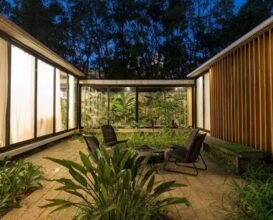
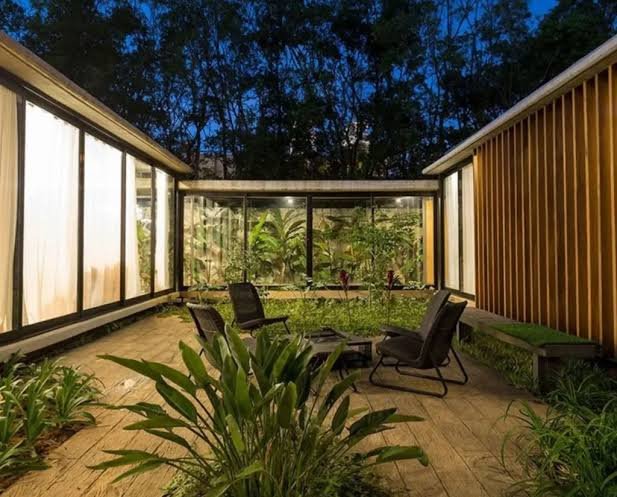
Biophilic architecture begins with the relationship between built spaces and their natural surroundings. Elements such as ample daylight, ventilation, landscaped courtyards and thoughtfully positioned balconies can enhance the experience of a home while creating a greater sense of openness. Low-density planning and carefully designed communal spaces further strengthen this connection.
A luxury residential development on Rajpur Road, Dehradun, reflects this philosophy through its biophilic design approach. Spread across approximately five acres, the development comprises 307 residences across five towers. Its architectural planning emphasises natural light, ventilation and greenery, bringing environmental considerations into the residential experience. The project also incorporates green-building principles, reinforcing the growing importance of environmentally conscious design in premium housing.
Preserving Heritage Through Landscape Architecture
One of the most distinctive aspects of nature-led design is its ability to preserve existing natural features while incorporating them into contemporary developments. Mature trees, in particular, can lend character, continuity and a sense of place to residential environments.
A notable feature of the development is a heritage tree courtyard centred around a 200-year-old tree. Rather than separating the landscape from the built environment, this feature creates a focal point that connects residents with nature and local heritage. The entrance lobby, complemented by water features and tree courts, extends this design language into shared spaces, creating a transition between architecture and landscape.
Creating Spaces for Wellness and Everyday Living
The influence of biophilic design extends beyond greenery to include spaces that encourage relaxation, movement and social interaction. Open-air yoga decks, landscaped gardens and rooftop wellness areas can provide residents with opportunities to engage with the outdoors within their residential community.
The development incorporates an open-to-sky yoga deck and a terrace healing garden featuring a reflexology path, alongside rooftop amenities that include an infinity pool. Its club and terrace facilities, spanning approximately 100,000 square feet, further integrate recreation and wellness into the residential experience.
Inside the residences, premium specifications such as imported marble in common areas, laminated wooden flooring, modular kitchens and balconies measuring up to nine feet wide complement the broader design philosophy. These features bring together material quality, functionality and opportunities to enjoy outdoor views.
The Future of Nature-Led Luxury
As residential preferences evolve, luxury will increasingly be defined by how effectively architecture responds to people and their surroundings. Biophilic design offers a framework for creating homes that balance aesthetics with comfort, greenery and wellness. Developments that preserve natural elements, integrate landscaped spaces and prioritise thoughtful planning demonstrate how this approach can shape a more considered model of contemporary living.
Ultimately, the future of luxury architecture lies not simply in building impressive structures, but in creating environments where nature and modern living coexist meaningfully.
Disclaimer: Views expressed in this article are those of the author, and not necessarily of Realtynmore.com.