The New Luxury Map: Why Premium Hospitality Is Moving Beyond India’s Metros
By Neeraj Gulati, Managing Director, Assotech Realty
For decades, India’s premium hospitality landscape was largely concentrated in metropolitan centres such as Delhi, Mumbai and Bengaluru, where corporate travel, international tourism and established commercial districts supported demand for upscale hotels. However, the geography of hospitality real estate is gradually expanding. Emerging destinations, pilgrimage centres and leisure-driven locations are attracting greater attention from hotel operators, investors and developers, reflecting a shift in how travellers define premium experiences.
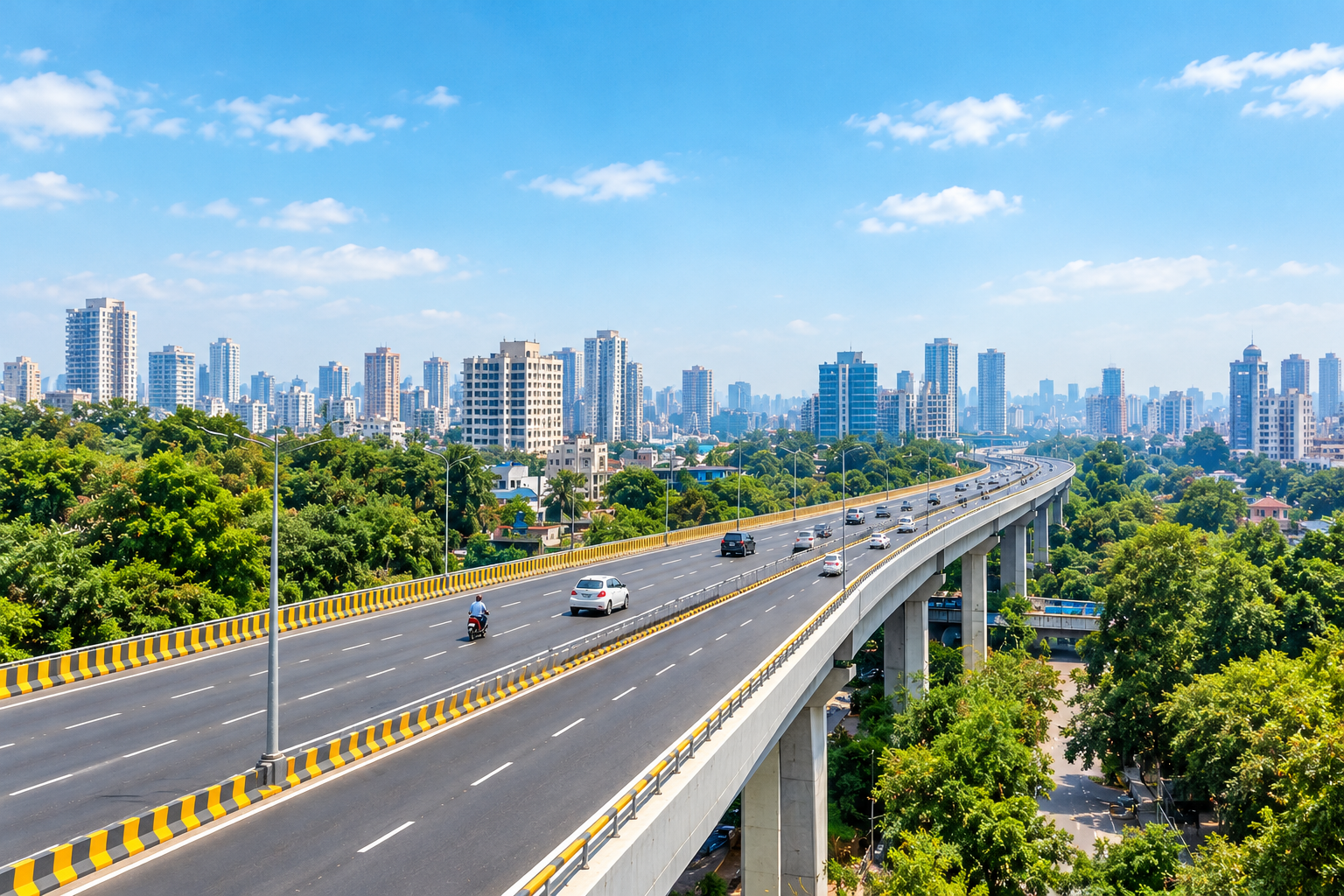
One of the most significant drivers of this transition is the changing nature of domestic travel. Improved road connectivity, airport expansion and investments in regional infrastructure are making destinations beyond major cities more accessible. At the same time, travellers are increasingly seeking experiences that combine comfort, convenience and a stronger connection with the destination. This is creating opportunities for organised hospitality developments in locations that were previously viewed primarily as transit points or short-stay destinations.
Pilgrimage tourism offers a compelling example of this opportunity. Destinations such as Ayodhya, Varanasi and Shirdi, which attracts devotees throughout the year, generate hospitality demand that extends beyond conventional holiday seasons. Visitors increasingly look for quality accommodation, efficient services, family-friendly facilities and convenient access to religious sites. For hotel real estate, this creates the potential for sustained demand supported by the recurring movement of domestic travellers rather than dependence on seasonal leisure tourism alone.
The evolution of pilgrimage destinations is also broadening the role of hospitality infrastructure. As visitor volumes grow and supporting infrastructure improves, the requirement extends beyond accommodation to include dining, parking, organised transport and spaces that enhance the overall visitor experience. Professionally managed hotels and well-planned hospitality developments can help address these needs while contributing to the wider tourism ecosystem.
Beyond religious tourism, emerging leisure destinations and smaller urban centres are creating opportunities for differentiated hospitality formats. Resorts, boutique hotels, business hotels and experiential properties can serve distinct traveller segments depending on local demand. Locations with access to natural landscapes, cultural attractions or growing commercial activity may offer opportunities for developers to build destination-led hospitality assets rather than replicate metropolitan hotel models.
From a real estate perspective, the expansion of premium hospitality requires a market-specific approach. Demand assessment, accessibility, land economics, operating costs and the availability of experienced hospitality partners remain critical to project viability. A destination with strong visitor numbers does not automatically guarantee the success of a premium hotel; the development must align its pricing, room inventory and service offering with the profile and spending patterns of its target audience.
The investment proposition is also evolving. Hospitality assets in emerging markets can offer opportunities for long-term portfolio diversification, particularly where tourism demand is supported by established cultural, religious or commercial activity. However, investors must evaluate operating performance, occupancy patterns, seasonality and the time required to establish a property’s positioning before committing capital.
India’s next phase of hospitality growth may therefore be shaped as much by the development of regional destinations as by the continued evolution of its metropolitan markets. As travel preferences diversify and infrastructure improves, places such as Ayodhya, Varanasi and Shirdi demonstrate why hospitality real estate must look beyond traditional tourism centres.
The new luxury map is not simply about taking premium hotels to smaller cities. It is about understanding what each destination needs and creating hospitality experiences that respond to its unique purpose, visitor profile and long-term potential.
Disclaimer: Views expressed in this article are those of the author, and not necessarily of Realtynmore.com.