Ghaziabad Sheds Affordable Tag as Luxury Housing and Infrastructure Drive Premium Market Shift
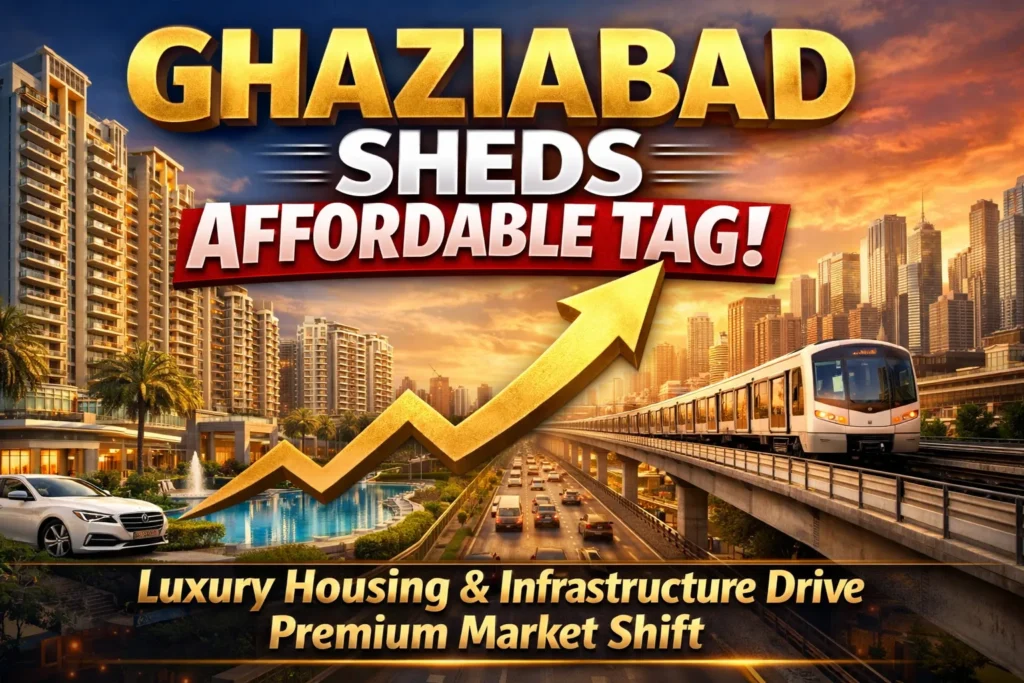
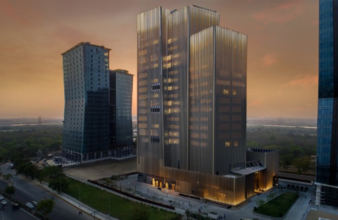
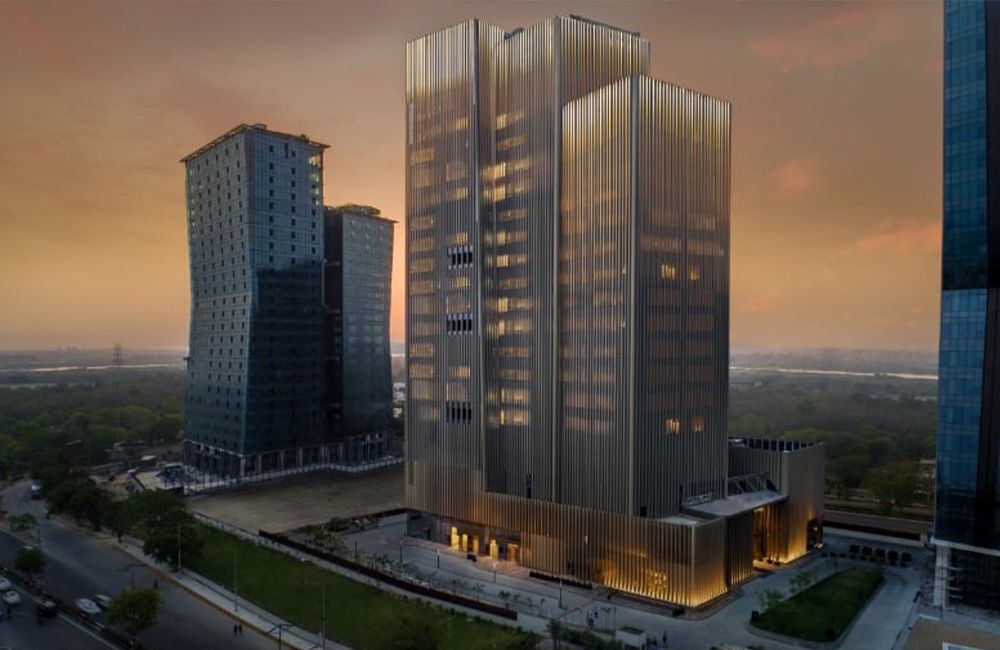
Ghaziabad, April 16, 2026: Long established as the National Capital Region’s (NCR) primary hub for affordable housing, Ghaziabad is undergoing a significant structural shift toward luxury and lifestyle-oriented real estate. Driven by massive infrastructure projects and a maturing buyer profile, the city has shed its “budget-only” image to emerge as a premium residential destination.
The scale of this transformation is reflected in recent market data. According to Anarock, Delhi-NCR led the appreciation rates among India’s seven most valuable cities, with residential prices climbing an average of 24% year-on-year in 2025. In Ghaziabad, this trend is manifesting in a new class of developments that are now confidently testing the Rs 2–4 crore price bracket.
Infrastructure has served as the primary catalyst for this trajectory. The Delhi–Meerut Expressway, the widening of NH-9, and expanding metro connectivity have drastically reduced travel times. Additionally, the Regional Rapid Transit System (RRTS) corridor is expected to further redefine regional mobility, making the city more accessible to an aspirational homebuyer base that previously favored Gurugram or Noida.

Prateek Tiwari, Managing Director of Prateek Group, noted that buyers are now prioritizing quality of life over cost.
“The current real estate market of Ghaziabad reveals that buyers seek high-end and lifestyle-oriented homes. Siddharth Vihar has grown into one of the most promising residential areas of Ghaziabad. The distinguishing factor about the region is not only its proximity to the expressway but its element of planning and openness as well. It has become evident that buyers today prioritize spaciousness, efficient design, and social interaction over the price of the property.
The emergence of distinct micro-markets is further defining this luxury landscape. Siddharth Vihar is gaining traction for its low-density, organized layout, while Indirapuram is seeing a wave of residential upgrades due to its established social infrastructure. Meanwhile, the NH-24 and Wave City belt is developing into an integrated corridor where lower land prices allow developers to build expansive, low-density projects at competitive price points.

Amit Modi, Director of County Group, emphasized how connectivity is altering buyer perception.
“Infrastructure has always played a defining role in shaping real estate markets, and Ghaziabad is a clear example of that transformation. The NH-24 belt and the upcoming RRTS corridor are not just improving connectivity; they are fundamentally changing how people perceive distance and accessibility. This shift is bringing in a more evolved buyer profile, one that values time, convenience, and quality of living.”
This sentiment is echoed across the industry as the profile of the Ghaziabad homebuyer evolves from the frugal, budget-conscious individual to the professional upgrader. These buyers are often looking for the modern amenities and space found in integrated townships without the extreme density or price pressures found in more saturated NCR locations

Sanjay Sharma, Director of SKA Group, added that the peripheral regions are now the “next phase” of the city’s evolution.
“The Wave City and NH-24 corridor represent the next phase of Ghaziabad’s residential evolution. What was once viewed as peripheral is now being redefined through infrastructure and large-scale planning. Buyers today are looking beyond price points and focusing on overall lifestyle value. Integrated townships, better road connectivity, and future-ready infrastructure are creating a strong foundation for premium housing to thrive.”
As 2026 progresses, the Ghaziabad market appears to have reached a turning point where value is increasingly measured by the quality of life and “liveability” of the environment, marking a definitive end to its era as a secondary affordable belt.