20 Years of East India Real Estate: Trends Every Investor Should Know
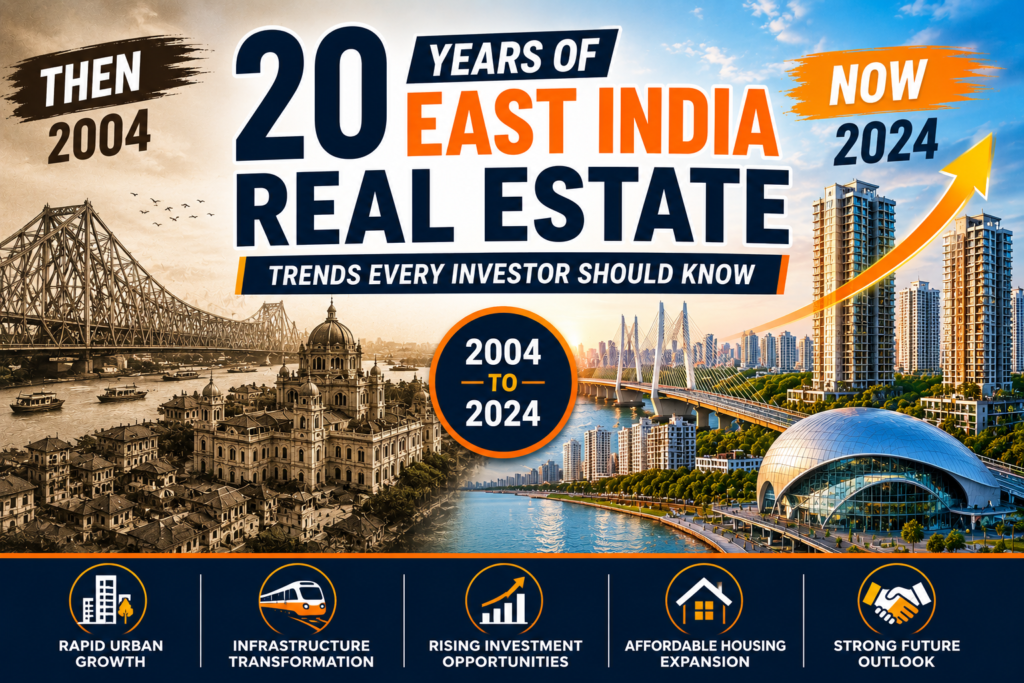
Over the past two decades, East India’s real estate sector has quietly transformed from a relatively slow-moving market into one of India’s emerging investment destinations. While cities like Mumbai, Bengaluru, and Delhi often dominate property discussions, eastern states have steadily built strong foundations through infrastructure development, urban expansion, industrial growth, and government-backed initiatives.
Understanding how East India’s real estate has changed in the last 20 years provides valuable insights for homebuyers, investors, NRIs, and developers looking for long-term opportunities. From Kolkata’s evolving skyline to Bhubaneswar’s emergence as a smart city and the growing industrial corridors across Odisha and West Bengal, East India is writing a new chapter in India’s real estate story.
East India Real Estate: Understanding Two Decades of Transformation

East India primarily includes West Bengal, Odisha, Bihar, Jharkhand, and the northeastern states. Historically, the region’s real estate market grew at a slower pace compared to western and southern India due to limited infrastructure investment and industrial expansion.
However, the past 20 years have witnessed remarkable changes.
Several factors have accelerated this transformation:
- Expansion of metro rail and highways
- Growth of IT and service industries
- Smart Cities Mission
- Affordable housing initiatives
- Better urban planning
- RERA implementation
- Rising private investments
Today, East India offers diverse opportunities across residential, commercial, industrial, retail, and logistics real estate.
Major Changes in East India’s Property Market
Kolkata Has Reinvented Its Real Estate Landscape
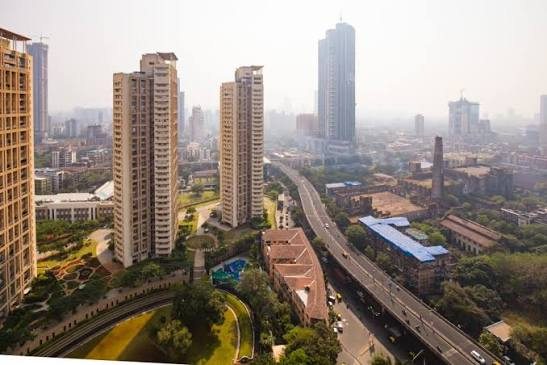
Once dominated by traditional residential neighborhoods, Kolkata has embraced modern urban development.
Areas such as:
- New Town
- Rajarhat
- EM Bypass
- Salt Lake
- Joka
have emerged as key real estate destinations.
Large integrated townships, premium apartments, commercial office spaces, shopping centres, and IT parks have reshaped the city’s skyline.
The expansion of Kolkata Metro continues to improve connectivity, encouraging development in suburban locations.
Bhubaneswar Has Emerged as a Smart City
Perhaps the biggest success story in East India has been Bhubaneswar.
Over the last two decades, the city has transformed into:
- A Smart City Mission leader
- An education hub
- A growing IT destination
- A preferred residential market
Improved road networks, planned development, and rising employment opportunities have significantly boosted housing demand.
Residential projects catering to affordable, mid-income, and premium buyers continue to expand across the city.
Odisha’s Industrial Growth Has Created New Demand
Odisha has become a major destination for:
- Steel manufacturing
- Mining
- Aluminium industries
- Ports
- Renewable energy
Cities including:
- Bhubaneswar
- Cuttack
- Rourkela
- Angul
- Jharsuguda
have witnessed rising demand for residential and commercial developments due to industrial expansion.
Jharkhand Is Seeing Steady Urban Development
Cities like Ranchi and Jamshedpur have experienced gradual improvements in infrastructure, healthcare, education, and housing.
Government investments and industrial activity have encouraged developers to launch new residential projects targeting middle-income families.
Bihar’s Urban Centres Are Growing
Patna has emerged as one of East India’s promising residential markets.
Improved road infrastructure, educational institutions, healthcare facilities, and increasing urban migration have created sustained demand for housing.
Although the market remains price-sensitive, long-term growth prospects continue to improve.
Key Drivers Behind East India’s Real Estate Growth
Infrastructure Development
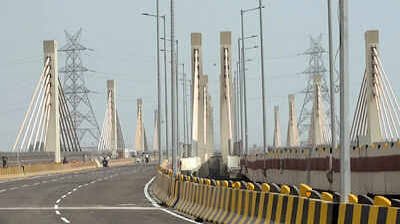
Infrastructure remains the biggest catalyst behind East India’s changing property landscape.
Major projects include:
- Kolkata Metro expansion
- East-West Metro Corridor
- National Highway upgrades
- Dedicated Freight Corridors
- Port modernization
- New airports
- Ring roads
- Industrial parks
Improved connectivity has opened previously underdeveloped locations for real estate investment.
Rise of IT and Business Parks
While Bengaluru and Hyderabad remain dominant IT hubs, Kolkata and Bhubaneswar have steadily attracted technology companies.
The growth of:
- IT parks
- Business centres
- Startup ecosystems
- Shared office spaces
has generated employment and increased housing demand among young professionals.
Government Housing Initiatives
Schemes like:
- Pradhan Mantri Awas Yojana (PMAY)
- Smart Cities Mission
- AMRUT
- Housing for All
have significantly contributed to affordable housing development across eastern India.
Developers have increasingly focused on projects that cater to first-time homebuyers.
Improved Regulatory Framework
The introduction of the Real Estate (Regulation and Development) Act (RERA) has enhanced transparency and accountability.
Buyers today benefit from:
- Registered projects
- Better disclosure norms
- Faster dispute resolution
- Greater developer accountability
These reforms have strengthened buyer confidence across East India’s property market.
Benefits of Investing in East India Real Estat
Several factors make East India an attractive destination for long-term investors.
Affordable Property Prices
Compared to western and southern metros, East India still offers relatively affordable entry prices, making it suitable for first-time buyers.
High Growth Potential
With ongoing infrastructure investments and urbanization, many cities are expected to witness steady appreciation over the coming decade.
Increasing Commercial Activity
Business parks, industrial zones, logistics hubs, and retail developments continue creating employment and supporting residential demand.
Better Quality of Life
Modern townships now offer:
- Green spaces
- Schools
- Healthcare
- Shopping centres
- Recreational facilities
These integrated developments appeal to families and working professionals alike.
Challenges That Still Need Attention
Despite impressive progress, East India’s real estate market faces certain challenges.
Slower Private Investment
Compared to western India, institutional investment remains relatively lower.
Uneven Urban Development
While cities like Kolkata and Bhubaneswar are growing rapidly, smaller towns continue to face infrastructure gaps.
Approval Delays
Land acquisition and regulatory approvals can still affect project timelines in certain states.
Employment Distribution
Some cities continue to experience migration toward larger metros due to limited high-paying job opportunities.
Addressing these issues will further strengthen East India’s long-term growth story.
Expert Tips Before Investing in East India
If you’re considering investing in East India, keep these points in mind:
- Choose cities with upcoming infrastructure projects.
- Verify the project’s RERA registration.
- Research future employment hubs.
- Compare historical price appreciation.
- Invest in reputed developers.
- Consider rental demand before purchasing.
- Evaluate metro and highway connectivity.
- Diversify between residential and commercial assets where appropriate.
A long-term investment approach is generally more rewarding in emerging markets like East India.
Indian Market Perspective and Emerging Trends
East India’s property market is entering a new phase of growth driven by infrastructure, digital transformation, and sustainable urban planning.
Smart Cities Will Lead Future Growth
Cities expected to remain strong performers include:
- Kolkata
- Bhubaneswar
- Ranchi
- Patna
- Guwahati
Government investments continue improving urban infrastructure and public services.
Commercial Real Estate Is Expanding
Demand for:
- Grade-A office spaces
- Co-working centres
- Retail developments
- Warehousing
- Logistics parks
is increasing as businesses expand into eastern India.
Sustainable Housing Is Becoming Mainstream
Developers are increasingly adopting:
- Green buildings
- Solar energy
- Rainwater harvesting
- EV charging infrastructure
- Energy-efficient construction
These features are becoming key selling points for modern residential developments.
Industrial Corridors Will Create New Investment Zones
Large-scale industrial and logistics projects across Odisha and West Bengal are expected to generate fresh demand for housing, retail, and commercial developments over the next decade.
Conclusion
The journey of how East India’s real estate has changed in the last 20 years reflects the region’s growing economic importance and urban transformation. Infrastructure upgrades, government reforms, industrial expansion, and smart city initiatives have reshaped cities like Kolkata, Bhubaneswar, Ranchi, and Patna into promising real estate destinations.
Although challenges such as uneven development and investment gaps remain, East India offers substantial long-term opportunities for homebuyers and investors seeking value and future appreciation. As connectivity improves and new growth corridors emerge, the region is poised to play a much larger role in India’s evolving real estate landscape.
Stay updated with the latest real estate news on RealtyNMore.