News
NCR’s Residential Real Estate 2025: Year of Strong Fundamentals, Clear Outlook for 2026
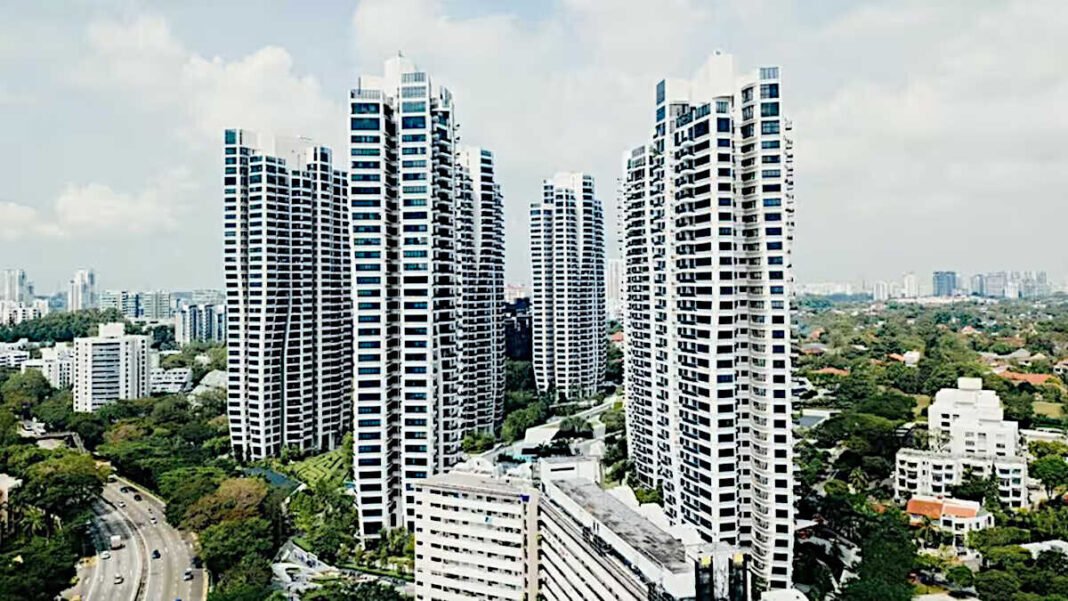
New Delhi, December 29, 2025: As 2025 draws to a close, India’s real estate sector stands at a decisive inflexion point, marked by a rare convergence of strong infrastructure delivery, improving affordability and a clear shift toward end-user–led, lifestyle-driven demand. Across Delhi-NCR and beyond, operational expressways, metro expansions and new airports have translated into on-ground confidence, while the RBI’s cumulative 125 basis points repo rate cut has eased borrowing costs and accelerated buying decisions. Luxury and premium housing have emerged as the sector’s primary growth engine, not just in established metros like Gurugram and Noida, but increasingly in Tier-II cities as well, reflecting a pan-India aspiration for quality living. With buyers becoming more informed, supply at the top end remaining selective, and connectivity reshaping urban preferences, the momentum built in 2025 signals that the market is moving beyond cyclical recovery into a more stable, long-term growth phase heading into 2026.

Amit Modi, Director, County Group, said, “2025 has been a very strong year for Indian real estate, with clear improvement in demand and buyer confidence across key markets. In NCR especially, the impact of new expressways, metro corridors, airports and enhanced connectivity is now visible on the ground, and this has directly supported the growth of premium and luxury housing. Throughout the year, we saw buyers becoming more informed and confident, willingly investing in better locations and superior amenities. With this solid momentum in place, the outlook for 2026 remains positive, and we expect the premium and luxury segments to see price appreciation of around 10–12 per cent, making the coming year another important phase of growth for the sector.”
Ishaan Singh, Director, AIPL, says, “RBI’s cumulative 125 bps repo rate cut in 2025 has started changing how buyers look at affordability on the ground. With most home loans now linked to external benchmarks like EBLR, people are finally seeing interest costs ease, and banks are passing on the benefit either through lower EMIs or shorter loan tenures. In a market like Gurugram, where premium and luxury homes dominate new supply, this matters a lot. It gives end-users the comfort to upgrade to larger, lifestyle-driven homes without feeling stretched. As EMIs become more manageable, buyers’ confidence is returning, site visits are converting faster, making aspiration financially achievable.”

Rajjath Goel, Managing Director, MRG Group, said, “2025 has been a year of transformation for NCR, where infrastructure delivery has turned the Dwarka Expressway into India’s most aspirational luxury corridor. The 3.5-fold rise in prices over five years reflects a decisive shift: buyers are now prioritising lifestyle and convenience over simple proximity, driving massive demand for premium 3 and 4 BHK homes. With the expressway operational and UER II strengthening connectivity, we are seeing the market mature from a speculative zone into a stable, future-ready urban hub. As we head into 2026, the supply-demand gap at the top end remains the primary driver for value creation, making this the region’s most consistent engine for both investors and end-users.”

Sehaj Chawla, Managing Director, TREVOC Group, said, “As 2025 comes to a close, India’s real estate sector reveals a highly growth-oriented market. Not only did metro cities and NCR record a massive demand for luxury residential spaces, but tier 2 cities also rose in prominence. 2026 will add further impetus to these developments, and tier 2 cities, especially ones close to the NCR, will share a significant portion of the growth. We also expect the RBI to maintain its pro-active stance, which will further bring down the interest rates and boost the sector. For investors, real estate, especially in emerging cities, will turn into prized assets.”

Sanjay Sharma, Director, SKA Group, says, “2025 has solidified the Noida–Greater Noida and Ghaziabad corridors as NCR’s most strategically aligned markets, where infrastructure is no longer just a promise but a reality. With the Noida International Airport and metro expansions acting as massive catalysts, we’ve entered a high-confidence cycle where luxury housing has evolved from aspiration to active acquisition. Investors are no longer just chasing land; they are chasing lifestyle-driven, sustainable assets in regions like Wave City and the Expressway belts. As we look toward 2026, the synergy of design excellence and connectivity is creating a decade-high growth phase, moving the market away from cyclical hype toward sustained, long-term value creation.”
Ashok Singh Jaunapuriya, MD & CEO, SS Group, says, “2025 has been a definitive year for Delhi-NCR, marked by a sharp surge in housing prices that underscores a fundamental shift toward premium living. In Gurugram, micro-markets like New Gurgaon and the Dwarka Expressway have entered a decisive maturity phase, evolving from speculative zones into the city’s most sought-after urban hubs. We are seeing a unique dual momentum: while corporate occupiers and retail brands are anchoring the commercial segment, families are drawn by the operational expressway, UER II, and superior social infrastructure. This isn’t just a cyclical upswing; it is a structural realignment where end-user demand for quality of life is driving high-value acquisitions. As we look toward 2026, these planned corridors are poised for standout ROI, fueled by a rare combination of limited high-end supply and broadening demand from global professionals and NRIs alike.”

Shyamrup Roy Choudhury, Founder and Managing Director, Aura World, said, “What’s encouraging about the luxury housing market right now is its sense of balance. In 2025, demand in Gurugram stayed strong without feeling overheated. Further, the RBI’s total 125 basis points repo rate cut eased affordability pressures for buyers. More importantly, the underlying economic environment has remained stable, giving buyers confidence to commit to high-value purchases. Luxury homes today are being bought with a long-term mindset and not short-term gains. As we look toward 2026, that trend becomes even more relevant. With India’s economy expected to grow steadily, luxury housing will benefit from sustained wealth creation rather than cyclical spikes. Gurugram, with its evolving infrastructure and global appeal, is well placed to see this growth play out over the long run.”

Sakshee Katiyal, Chairperson, Home & Soul, said, “What really stood out in 2025 was how luxury housing demand stopped being a metro-only story. While NCR continued to lead in terms of depth and ticket sizes, emerging Tier-II cities surprised everyone by matching metro-level absorption in their luxury segments. This growth was backed by lifestyle-led, end-user demand, improving infrastructure and rising local wealth. Buyers in these markets expect the same design quality and community planning they see in metro cities. That shift tells us aspiration has gone pan-India. As we move into 2026, better connectivity and steady economic growth will only strengthen this trend, with Tier-II cities increasingly complementing metros rather than chasing them.”

Salil Kumar, Director- Marketing and Business Management, CRC Group, tells how Noida–Greater Noida has firmly entered NCR’s luxury residential conversation. “Infrastructure has been the real catalyst in Noida-Greater Noida. The progress around the Noida International Airport has significantly strengthened buyer confidence, not just for investors but for end-users looking at long-term livability. We saw growing interest in larger, well-planned luxury homes, driven by professionals, business owners and NRIs who see the region’s connectivity and future potential clearly. Improved expressways, metro links and social infrastructure have narrowed the gap with more established markets. Importantly, this demand has been measured and end-user driven. As we look toward 2026, with airport-led development gaining momentum, Noida–Greater Noida is likely to see sustained luxury housing growth, supported by infrastructure visibility, improving lifestyle ecosystems and a more confident, long-term buyer mindset.”

Kushagra Ansal, Director, Ansal Housing, says, “2025 has proven to be a defining year for India’s real estate sector, with strong momentum witnessed across residential, commercial, and mixed-use developments in major urban centres. Among all regions, Delhi-NCR has continued to stand out as one of the most stable and growth-oriented markets, supported by accelerated infrastructure execution, improved regional connectivity, and a decisive shift toward end-user–driven demand.”

Ashwani Kumar, Pyramid Infratech, says, “The real estate sector in 2025 delivered a strong and sustained performance, with developing corridors leading the growth graph. The luxury segment, in particular, played a pivotal role, supported by evolving lifestyle preferences, higher disposable incomes, and a clear shift towards spacious, well-planned homes. NCR’s real estate market witnessed an exceptional year in 2025, supported by healthy demand, significant price appreciation and new supply. The growth graph set the stage for new growth frontiers in the year ahead. Gurugram’s luxury housing market dominated the residential market growth across cities, emerging as one of the most preferred living destinations where new sectors have become increasingly attractive to buyers and investors. Improved infrastructure, like the development of new expressways, metro lines, and business hubs, has enhanced connectivity, making previously underserved areas more appealing to luxury buyers. These factors will continue to benefit the city’s real estate market.”
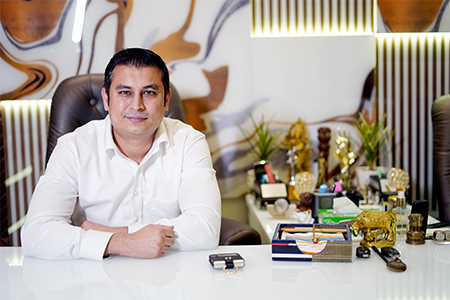
Goldi Arora, Co-Founder & Managing Director, Property Master, said, “In 2025, we saw how NCR’s real estate market evolved in both depth and geography. Gurugram continued to dominate in luxury and high-end commercial segments, while Faridabad demonstrated steady, grounded demand, particularly in mid-to-premium housing and emerging commercial corridors. Meanwhile, Tier-II cities like Mohali matched absorption and buyer intent in certain segments, driven by end-user demand and improved infrastructure. What stood out this year was buyer discernment: decisions were deliberate, guided by connectivity, amenities, and long-term value rather than speculation. The RBI’s cumulative 125 basis points rate cut helped liquidity and affordability, enabling more buyers to act. Looking ahead to 2026, NCR will likely see more nuanced growth, increasingly attracting serious investors and lifestyle-driven buyers seeking stable, well-planned developments.”



Assotech Realty Collaborates with Atmosphere Core to Develop Hospitality Project in Shirdi
New Delhi, March 13, 2026: In a move signaling the rapid modernization of India’s spiritual tourism hubs, Assotech Realty has...


Enviro Infra Engineers Secures ₹411 Crore Bihar Sewerage Project Under AMRUT 2.0
New Delhi, March 13, 2026: Enviro Infra Engineers Limited (EIEL), a national player in water and wastewater treatment, has secured...


Altre Launches India’s First AI for Consulting-Grade Workspace Intelligence
Gurugram, March 11, 2026: Altre has announced the launch of Aly, a first-of-its-kind AI-powered intelligence platform engineered to transform how...

KG Builders Expands Western Chennai Footprint with ₹400 Crore Plotted Development Launch
Chennai, March 13, 2026: Legacy real estate developer KG Builders, a mainstay in the Tamil Nadu property market for over...


Aurum PropTech Exits non-core Assets for Rs112 Crore, Builds War Chest to Scale AI led PropTech
Mumbai, March 13, 2026: Aurum PropTech Limited announced on March 12 that its Board of Directors has greenlit the sale...


Godrej Properties Marks Debut in Coimbatore with 44-Acre Land Acquisition
Mumbai, March 13, 2026: Godrej Properties Limited (GPL) has officially entered the Coimbatore market through the outright purchase of an...
-
 News2 weeks ago
Hiranandani Communities Launches Watersports Centre at Premium Coastal Hiranandani Sands, Alibaug Township
-
News2 weeks ago
Strategic Partnership between Brigade Group, Primus Senior Living to Develop Senior Living Communities
-
Guest Column1 week ago
Retail Trends to Watch Out for in 2026
-
News3 weeks ago
Sambhav Homes Completes 85-acre Land Delivery for ₹600-Cr ESR Hosur Advanced Manufacturing Park
-
 News2 weeks ago
FY27 Outlook Residential Real Estate: High Base and Affordability Challenges; Tier I Mid-Premium Segment Resilient
-
News2 weeks ago
TARC Marks New Milestone at TARC Kailasa with Grand Tower Launch, New Experience Gallery Reveal
-
News4 weeks ago
Five Listed Indian REITs Distribute Over ₹2,450 Cr to Unitholders in Q3 FY26: Indian REITs Association
-
News4 weeks ago
Sales Surge in Kolkata’s Premium Housing Market, Strong Shift Toward South & East Corridors, says Nklusive