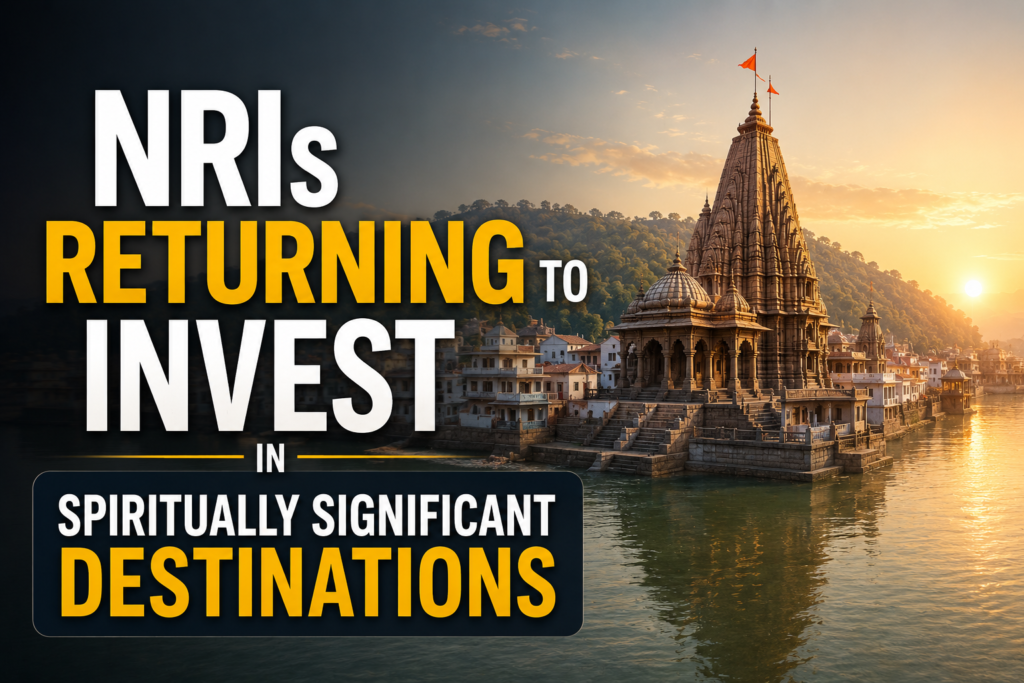
NRIs Returning to Invest in Spiritually Significant Destinations
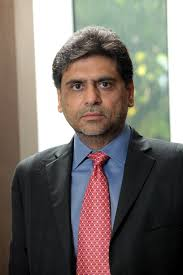
By Neeraj Gulati, Managing Director, Assotech Realty
For years, NRI investment in India largely gravitated towards established metropolitan markets such as Mumbai, Delhi-NCR, Bengaluru and Hyderabad, where strong fundamentals, rental income and capital appreciation remained the primary drivers. However, a growing number of overseas Indians are beginning to view real estate through a more personal lens, where emotional value carries as much weight as financial returns. The desire to remain connected to one’s cultural heritage, create a lasting family legacy, plan for retirement, or simply maintain a meaningful anchor in India is increasingly shaping investment choices. Hence, spiritually significant destinations such as Shirdi, Varanasi, Ayodhya, Haridwar, Rishikesh and Tirupati are emerging on the radar of NRI buyers.
For many, investing in these locations is a way of preserving a sense of belonging and ensuring that their connection with India endures across generations. This evolving investor sentiment is unfolding against the backdrop of an expanding tourism economy in India, where faith-led travel is emerging as a powerful growth driver. Reports show that India’s domestic tourism ecosystem has reached unprecedented scale, recording over 2.5 billion domestic tourist visits in 2023, reflecting the growing appetite for experiential, cultural and spiritual travel. Religious destinations are no longer witnessing footfall only during festivals and peak pilgrimage seasons; many are now attracting visitors throughout the year, creating sustained economic activity around them.
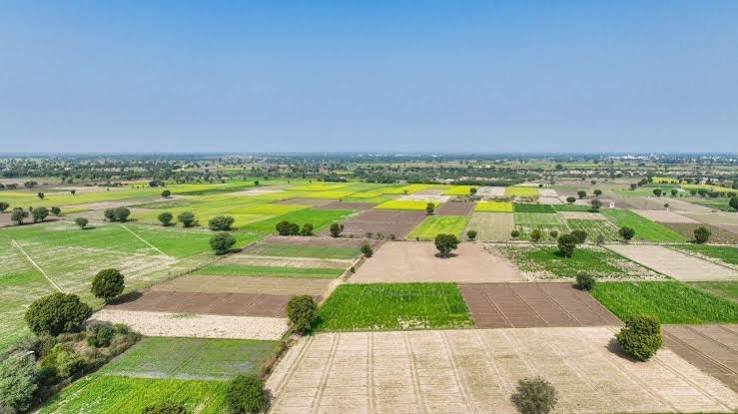
Meanwhile, as per Square Yards’ recent report, land prices in Tier-2 and Tier-3 cities could increase by 25% to 100% over the next 2–4 years. What is driving this momentum is not a single trigger, but a convergence of shifts playing out simultaneously across these cities. Infrastructure is clearly leading the charge. The report says that the government infrastructure push, including the proposed City Economic Regions (CERs) with Rs 5,000 crore investment per region, is expected to accelerate regional development.
Simultaneously, travel patterns are extending beyond major urban centres, with increasing interest in destinations that offer a deeper sense of identity, heritage and purpose. Recognising this shift, both central and state governments have accelerated investments in pilgrimage circuits, transportation networks and destination infrastructure. As these destinations become easier to access and more comfortable to inhabit, they are evolving beyond pilgrimage hubs into places where people increasingly choose to spend longer periods, own homes and build enduring ties.
At the heart of this trend lies a fundamental shift in what NRIs expect from their investments in India. While financial returns remain important, many are increasingly seeking assets that offer a deeper sense of permanence, belonging and personal relevance. Spiritual destinations provide an opportunity to maintain a tangible connection with cultural traditions and family roots while creating a base for future visits and extended stays. A 2024 Colliers report identified cities such as Ayodhya, Varanasi, Ujjain, Puri and Tirupati among India’s high-potential real estate markets, highlighting that connectivity, infrastructure and planned urban development- rather than religious significance alone- are shaping long-term investment prospects.
Among the destinations benefiting from this shift, Shirdi presents a particularly compelling case. Long revered as one of India’s most visited pilgrimage centres, the town is evolving beyond its religious identity into a destination that combines spiritual significance with lifestyle and investment potential. Attracting approximately 25 million devotees annually, the region provides a stable economic foundation, while improved air, rail and road connectivity has enhanced accessibility from major cities across India. Besides, the growth of hospitality infrastructure and organised residential developments is attracting retirees, second-home seekers and long-stay investors looking for both connection and comfort.
Moreover, as the profile of buyers evolves, organised real estate development is playing an increasingly important role in shaping the next phase of growth in destinations like Shirdi. The emergence of professionally managed residential projects is helping bridge the gap between emotional investment and practical ownership. Well-planned communities, branded developments and integrated living environments are offering the transparency, security and convenience that modern buyers expect. For NRIs spending long periods outside India, dependable property management, maintenance support and hassle-free ownership have become critical considerations.
Looking ahead, the appeal of spiritually significant destinations is likely to extend far beyond pilgrimage alone. As infrastructure improves and these markets mature, places like Shirdi are expected to attract buyers seeking cultural continuity, lifestyle enrichment and long-term family assets.