RBI MPC Hikes Repo Rate by 25 bps to 5.5%, Shifts Stance to ‘Calibrated Tightening’; Real Estate Sector Anticipates Short-Term Moderation, Long-Term Resilience
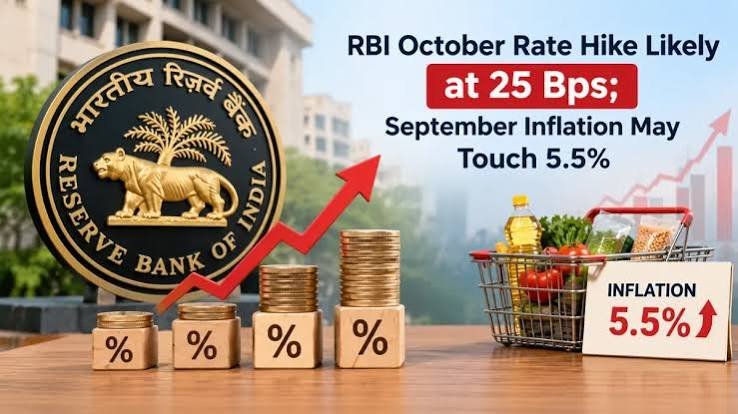
Mumbai, October 7, 2026: The Reserve Bank of India’s (RBI) Monetary Policy Committee (MPC) on Wednesday unanimouslydecided to raise the policy repo rate by 25 basis points (bps) from 5.25% to 5.50%. Reversing its previous positioning, the central bank also shifted its monetary policy stance to ‘Calibrated Tightening’, signaling a tighter rein on price stability amid heightened macroeconomic headwinds, persistent global inflation risks, and rising crude oil volatility.
The rate hike—the first since February 2023—comes as rising geopolitical tensions in West Asia and lingering global supply chain disruptions threaten domestic inflation targets. While the increase will marginally elevate borrowing costs for commercial banks and translate into higher home loan equated monthly installments (EMIs) for retail buyers, top real estate stakeholders believe the underlying demand structural drivers will keep market sentiment largely intact as the festive season approaches.
Industry Reaction: Balance Between Growth and Stability
Addressing the policy shift, real estate leaders emphasized that while a status quo would have provided smoother momentum, the sector’s underlying fundamentals remain sturdy enough to absorb the quarter-point hike.

Pradeep Aggarwal, Founder and Chairman, Signature Global (India) Ltd., highlighted the balancing act faced by the central bank:
“The RBI’s decision to raise the repo rate by 25 bps from 5.25% reflects its commitment to price stability amid a challenging macro backdrop. While housing demand has been supported by rising incomes, urbanisation and a growing aspiration for homeownership, and has stayed resilient even through global uncertainty, volatile crude prices, currency pressures and persistent inflation risks have made the central bank’s task a delicate one. The RBI has consistently balanced growth and stability, and this decision reflects the prevailing macro realities.
That said, a stable repo rate would have better sustained the current demand momentum. Higher borrowing costs may temporarily moderate buyer sentiment, particularly in the mid-income segments. Still, with strong fundamentals, and the upcoming festive season, we expect the sector to remain resilient.”
Impact on Housing Demand to Remain Measured
Echoing a measured outlook, global property consulting firms noted that while interest rate sensitivity is present in mid-market housing, premium segments and overall structural demand in India continue to offer a strong safety net.

Anshuman Magazine, Chairman & CEO – India, South-East Asia, Middle East & Africa, CBRE, stated:
“We expect the impact on housing demand to stay measured, particularly in the mid and premium segments, where the underlying demand is still healthy. A 25 basis point increase in the repo rate will push borrowing costs up a little, but we expect the sector to hold up. The current inflationary environment, driven by the West Asia conflict, high crude prices and supply chain disruptions, is somewhat reminiscent of what we saw in 2022 after the Russia-Ukraine conflict. India’s growth fundamentals, though, are relatively strong, and that gives housing demand a supportive backdrop. What matters from here is where inflation and interest rates go, and whether this increase stays a calibrated response rather than the start of a long tightening cycle.”
Outlook Ahead
With banks expected to pass on the rate hike to home loan borrowers via External Benchmark Lending Rates (EBLR), analysts expect prospective home buyers in price-sensitive segments to evaluate choices carefully. However, robust end-user demand, urban wage growth, and developer discounts during the ongoing festive quarter are projected to buffer the immediate impact of the policy tightening.