17 Years of Vision, Trust and Thoughtful Development: Rajesh Nambiar
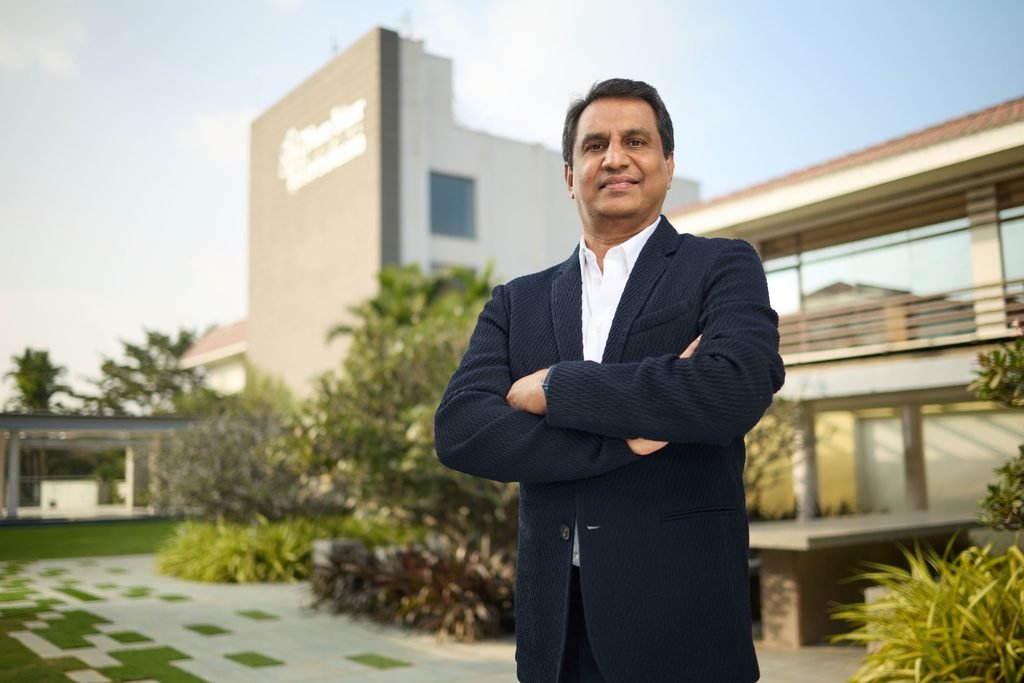
In conversation with Rajesh Nambiar, Chairman, Nambiar Builders
Q: Nambiar Builders has completed 17 years in Bengaluru’s residential market. Looking back, what have been the defining milestones in your journey, and how has the company’s philosophy evolved while building premium communities?
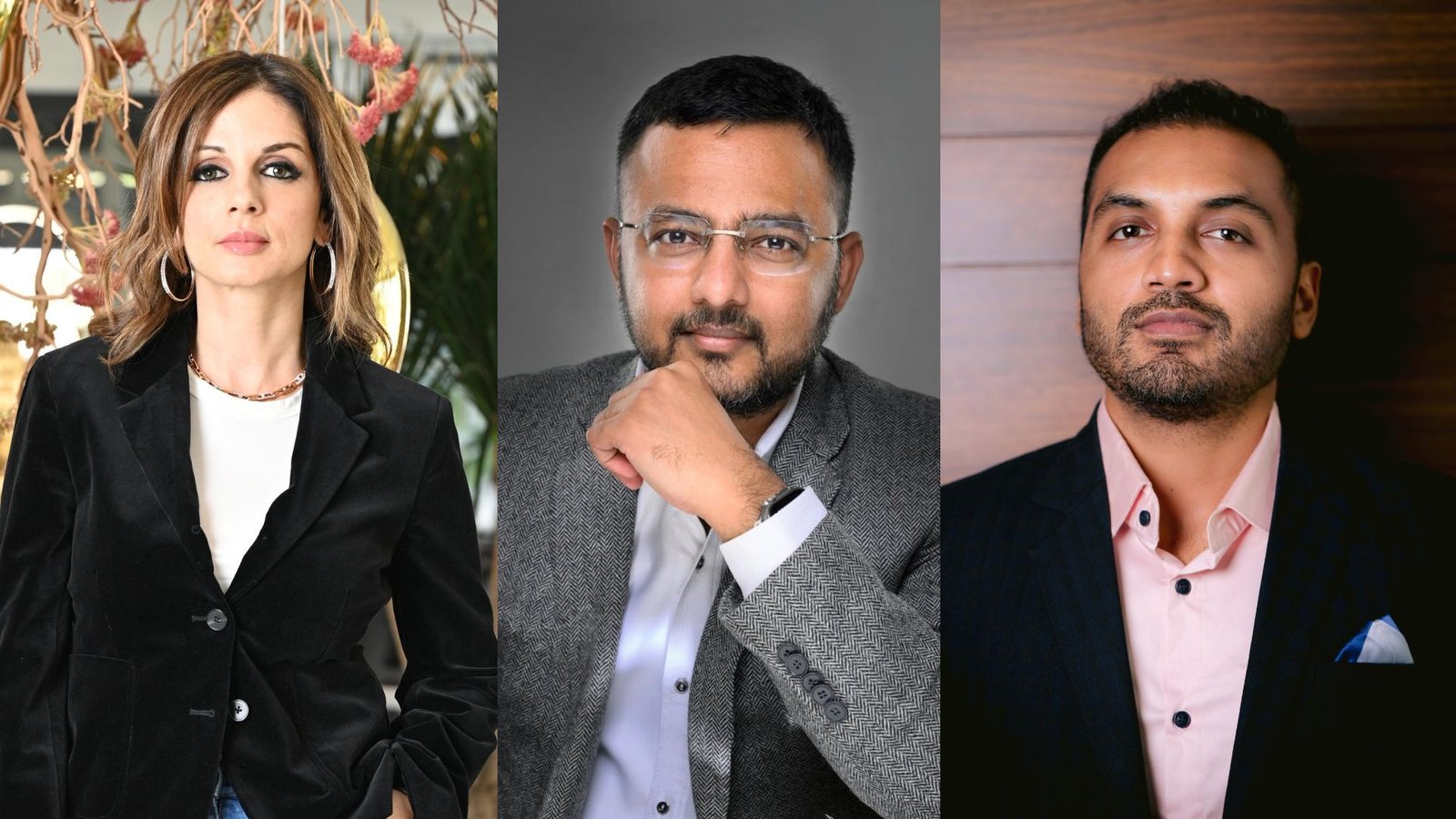
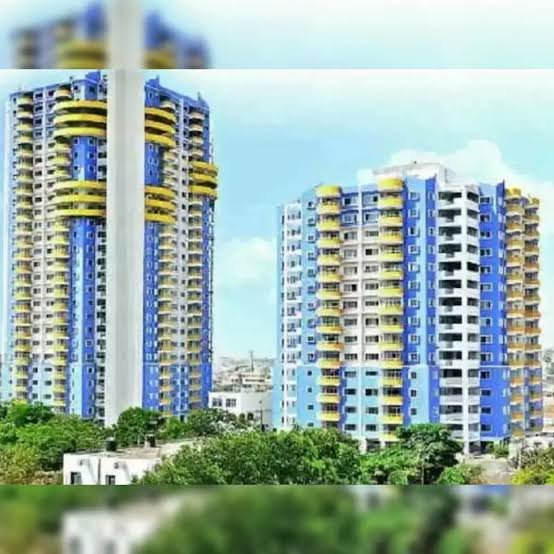
A: Looking back over the last seventeen years, what stands out most isn’t a single achievement but the conviction to see possibilities before they become obvious. The turning point came in 2009, when Ramesh, Ratheesh and I took a leap of faith and chose to build on Sarjapur Road well before it emerged as one of Bengaluru’s most sought-after addresses. That belief gave rise to Nambiar Bellezea, followed by Ellegenza, Millennia and most recently Nambiar District25.
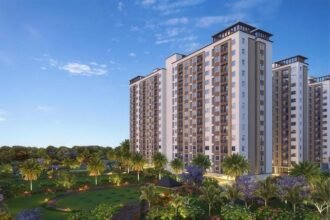
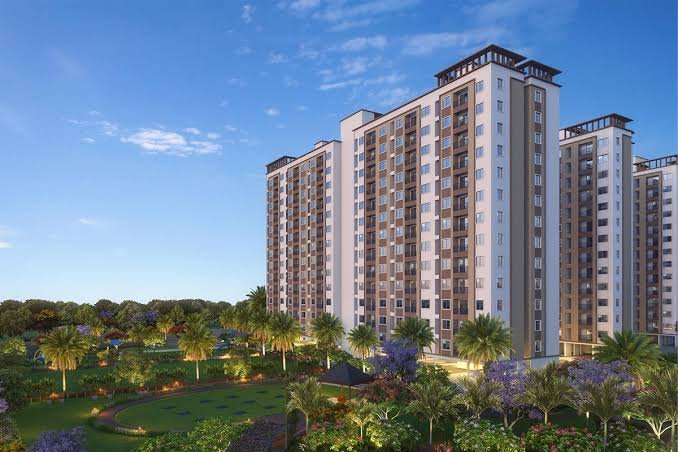
District25 represents a completely new chapter for us. As our first integrated township, it has transformed the way we think, requiring us to move beyond the role of a conventional developer to create a self-sustained ecosystem where homes, infrastructure, wellness, recreation and everyday conveniences come together seamlessly.
Throughout this journey, one thing has remained constant: our philosophy of mindful, thoughtful and soulful. It has never been just a tagline but the principle guiding every decision we make. While our projects have grown in scale, these values have simply expanded in their application. Today, they shape everything from preserving expansive green spaces to integrating retail, community and recreational spaces within the township itself.
Our biggest evolution hasn’t been a change in values, but a much larger canvas on which to bring those values to life.
Q: District25 has already recorded over 1,600 home sales across its first two phases. What do you believe has driven such strong buyer confidence, and how has that influenced the planning of Phase III?
A: Selling over 1,600 homes in the first two phases was an encouraging milestone and one that reaffirmed our belief in the vision we had set out to create. Certainly, the location on Sarjapur Road and the strength of our master plan played an important role. But if I had to attribute it to one factor, it would be that we stayed true to our promises. We didn’t oversell the vision; we delivered what we committed and homebuyers recognised that. That trust gave us the confidence to expand our ambition with Phase III, building for not just today’s demand, but tomorrow’s way of living.
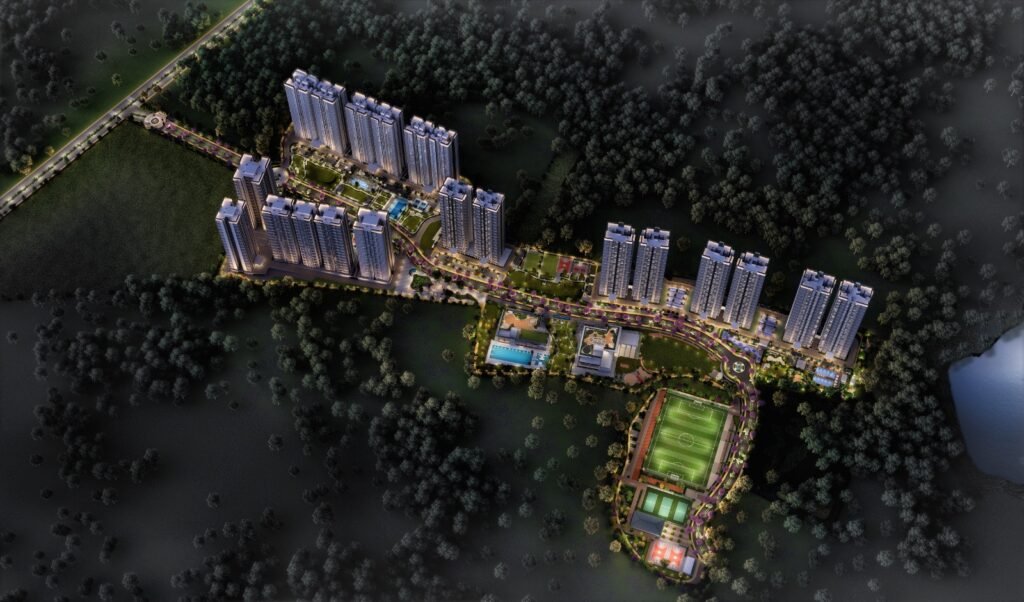
The Sports District is a direct outcome of that confidence. Spread across 20 acres, it features a FIFA-sized football pitch, eight indoor badminton courts, five basketball courts, five tennis courts, a futsal court, beach volleyball courts and a four km of jogging track. We could only create something of this scale and specificity because the response to Phases I and II confirmed that people weren’t simply investing in the project they genuinely wanted to live and build their lives here.
Q: Integrated townships are increasingly becoming the preferred choice for homebuyers. How does District25 differentiate itself from other premium developments in Bengaluru, particularly through its Sports District, Club SOHO and community-centric planning?
A: What truly differentiates Nambiar District25 is the inspiration drawn from SoHo, New York, a neighbourhood celebrated for seamlessly blending living, working and socialising without any one aspect dominating the other. That philosophy forms the foundation of our master plan. Rather than focusing on individual amenities, we’ve prioritised thoughtful urban planning by preserving nearly 40% of the development as untouched green cover and planned planting of over 3,500 native trees, creating a living ecosystem that will flourish over time instead of relying on ornamental landscaping.
At the heart of this vision is Club SOHO, a seven-acre, 2.5 lakh sq. ft. lifestyle destination featuring an Olympic-length swimming pool, fully equipped gymnasium, squash and badminton courts, a bowling alley and a host of wellness and social spaces designed to foster community living. Extending this philosophy further is the Sports District, where fitness is woven naturally into everyday life. While many developments speak of lifestyle, our focus has been on creating the infrastructure that genuinely enables it, transforming the concept into an authentic way of living.
Q: Phase III has been launched with a total Project cost of ₹1,900 crore and introduces several design refinements based on buyer feedback from earlier phases. What were some of the key learnings that shaped this phase, and how do you expect it to further strengthen the overall township?
A: One of the biggest learnings from Phases I and II was that connectivity within the township would play an even greater role than we had initially anticipated. Through our interactions with homebuyers and the feedback we received during the sales journey, it became evident that people place significant value on intuitive, well-connected pedestrian pathways that seamlessly link homes with the township’s key lifestyle destinations. That insight has been thoughtfully incorporated into the Phase III master plan, with a stronger emphasis on walkability and ease of movement across the development.
We’ve also carried Club SOHO forward as the social heart of the entire township rather than treating it as an amenity exclusive to the earlier phases. The idea has always been to create one integrated community where every resident, regardless of which phase they belong to, enjoys access to the same vibrant social ecosystem.
From a development perspective, Phase III involves a total Project cost of approximately Rs.1,900 crore comprising 8 towers with 1,202 homes. Though the outlay is large, our confidence does not come only from market research. It comes from consistent insights we have gathered from customer interactions throughout the first two phases. Those conversations have helped shape our decisions, allowing us to refine the township based on genuine buyer expectations rather than assumptions. We believe that’s a far stronger foundation for creating a community that will stand the test of time.
Q: Bengaluru continues to remain one of India’s strongest residential markets despite rising property prices. What structural factors do you believe will continue to support demand, particularly across growth corridors such as the Chandapura–Dommasandra belt?
A: Bengaluru’s housing market continues to demonstrate remarkable resilience because demand is fundamentally driven by end users rather than speculative investment. This is reflected in the city’s performance during the first half of the year, with residential sales rising 5% year-on-year alongside a 9% increase in average prices. A market that sustains both healthy sales volumes and price appreciation is typically one built on genuine housing demand.
The Chandapura–Dommasandra corridor is particularly well positioned, supported by three structural growth drivers. The first is infrastructure. The Satellite Town Ring Road (STRR), which passes through the Sarjapur region, is being developed in phases, with sections expected to become operational through 2026 and 2027, significantly enhancing regional connectivity.
The second is economic development. The Karnataka government’s proposed SWIFT City, a nearly 1,000-acre startup and innovation hub near Sarjapur, has the potential to emerge as a major employment centre, much as IT parks transformed Whitefield into a premier residential destination.
The third is social infrastructure. With over 40 reputed educational institutions within a five-kilometer radius, the corridor offers a compelling proposition for families seeking long-term quality of life.
It is equally important to recognise the factors genuinely driving this growth. While the proposed second airport near Harohalli is expected to enhance connectivity and support the broader development of South Bengaluru over time, the Chandapura–Dommasandra corridor’s growth trajectory is already anchored by its strong infrastructure, employment ecosystem and well-established social infrastructure.
Q: Homebuyers today seem to be evaluating projects differently compared to five years ago. In your view, what are the biggest shifts in buyer expectations, and how are developers adapting to these changing preferences?
A: Over the past five years, homebuyers have become far more informed and discerning. While location and pricing remain important, decisions are increasingly shaped by the overall quality of life a development offers. Buyers now look for thoughtfully planned communities with open spaces, wellness, sustainability, strong social infrastructure, seamless connectivity and integrated townships that support everyday living.
Trust in the developer, timely delivery, technology-enabled homes and long-term value appreciation have also become key considerations. In response, developers are moving beyond standalone projects to create holistic lifestyle ecosystems. At Nambiar, this philosophy has always guided our approach through expansive green spaces, premium amenities, dedicated sports infrastructure creating communities that enhance everyday living while delivering enduring value for homeowners.
Q: Lifestyle amenities have evolved from being value additions to becoming key purchase considerations. Do you believe the next phase of residential development will be defined more by community experiences than by apartment sizes
A: Buyer priorities are clearly evolving. While efficient apartment layouts remain important, today’s homebuyers are looking beyond the four walls to the overall lifestyle a community offers. They value developments that promote wellness, recreation, social interaction, convenience and a strong sense of belonging. The next phase of housing will be defined less by the size of homes and more by the quality of experiences a community enables. At Nambiar, this philosophy has shaped developments like District25, where thoughtfully planned amenities, open spaces and community-centric design encourage residents to pursue their passions, build meaningful connections and enjoy a balanced lifestyle within their neighbourhood.
Q: Infrastructure projects such as Metro connectivity and the expansion of Bengaluru’s IT corridors continue to reshape residential demand. How do you see these infrastructure investments influencing the city’s next phase of real estate growth over the next five to seven years?
A: Bengaluru is entering a phase where enhanced connectivity will further accelerate residential demand. Over the next five to seven years, transformative projects such as the Namma Metro expansion, Satellite Town Ring Road and continued growth of IT and business corridors will improve accessibility, reduce travel times and unlock new residential areas.
Growth corridors like Chandapura–Dommasandra are particularly well positioned to benefit, with excellent connectivity to Sarjapur Road, Electronic City, Whitefield and the proposed SWIFT City. As infrastructure matures, these locations are expected to witness sustained end-user demand, stronger capital appreciation and growing long-term investor interest.
Equally important is the evolution in buyer preferences. Homebuyers today are investing not just in homes, but in locations offering robust infrastructure, quality social amenities and long-term growth potential. This is encouraging developers to create integrated communities with sports, retail, green spaces and lifestyle amenities. The next phase of Bengaluru’s residential growth will be defined by developments that successfully combine superior connectivity with holistic, future-ready living experiences.