Vastu for Balconies: Which Direction Is Considered Most Auspicious?

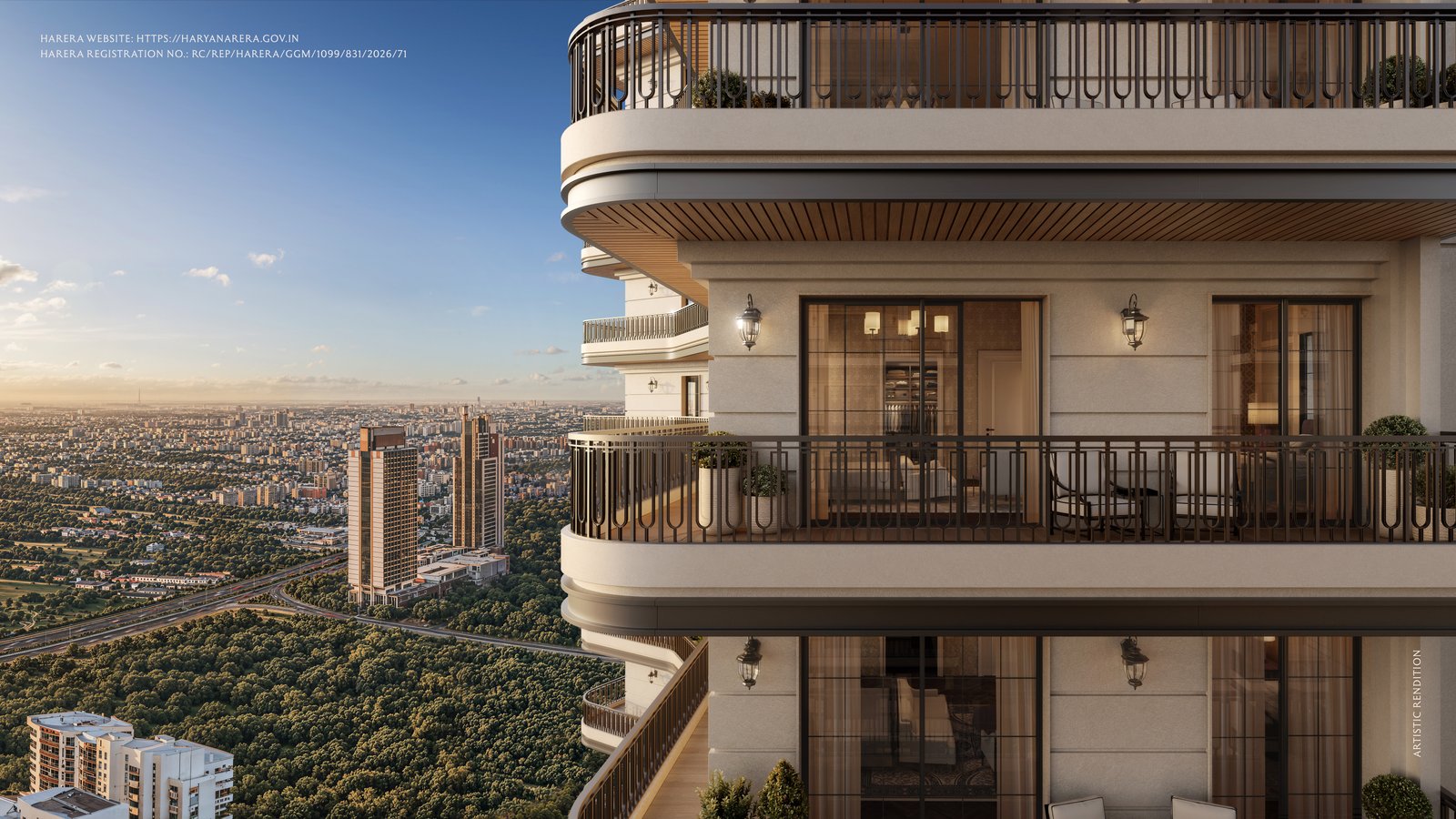
A balcony is more than an outdoor extension of a home. It provides natural light, ventilation and a connection with the outdoors. In Indian homes, balconies also hold significance in Vastu Shastra, the traditional architectural system that focuses on the placement and orientation of different spaces to create a balanced living environment.
According to Vastu principles, the direction of a balcony can influence the flow of natural light, air and positive energy within a home. While every direction has its own significance, certain orientations are traditionally considered more favourable than others.
For homebuyers, homeowners and those planning a new property, understanding balcony Vastu can help in making informed decisions about residential layouts.
Which Direction Is Most Auspicious for a Balcony?
According to traditional Vastu Shastra, north, east and north-east are generally considered the most favourable directions for balconies.
These directions are associated with sunlight, openness and natural energy. However, each direction has a different significance.
1. North-Facing Balcony: Associated with Prosperity
A north-facing balcony is considered auspicious in Vastu Shastra. The north direction is associated with Lord Kubera, traditionally regarded as the deity of wealth and prosperity.
Some commonly followed Vastu recommendations include:
- Keep the balcony open, clean and clutter-free.
- Allow sufficient natural light and ventilation.
- Use light colours such as white, cream and light green.
- Place small plants without overcrowding the space.
A north-facing balcony is traditionally believed to support financial growth and opportunities.
2. East-Facing Balcony: Associated with Health and Positivity
The east direction is associated with the rising sun and is considered favourable for welcoming morning sunlight into the home.
According to Vastu beliefs, an east-facing balcony encourages positivity, freshness and well-being.
Homeowners can consider the following practices:
- Keep the balcony open to allow morning sunlight.
- Create a small seating area for morning relaxation.
- Grow flowering plants and maintain greenery.
- Avoid placing heavy storage units in the balcony.
An east-facing balcony can also offer practical benefits by providing access to natural daylight during the morning hours.
3. North-East Balcony: Considered Highly Auspicious
The north-east direction, also known as the Ishan corner, holds special importance in Vastu Shastra. It is traditionally associated with spirituality, clarity and positive energy.
A balcony in this direction is generally considered favourable, particularly when it remains open and receives adequate natural light.
Some commonly recommended practices include:
- Keep the area clean and spacious.
- Avoid heavy furniture and unnecessary storage.
- Use soft, light shades for the balcony walls.
- Add small plants that do not obstruct the space.
A north-east balcony is often preferred in Vastu-based residential planning because of its association with openness and natural illumination.
Is a South or West-Facing Balcony Inauspicious?
Not necessarily. Although north, east and north-east orientations are traditionally preferred, south and west-facing balconies are not automatically considered inauspicious.
Their suitability depends on the overall house layout, sunlight exposure, ventilation and how the space is maintained.
South-facing balconies: Traditional Vastu recommendations generally suggest keeping this area organised and avoiding excessive openness. Appropriate shading can also help manage direct sunlight and heat.
West-facing balconies: These balconies may receive strong afternoon and evening sunlight. Homeowners can use outdoor blinds, pergolas or suitable plants to provide shade and improve comfort.
The objective should be to maintain a functional, well-ventilated and comfortable outdoor space rather than treating a particular direction as an absolute restriction.
Vastu Tips for Maintaining a Balcony
Apart from direction, the arrangement and maintenance of a balcony also matter in traditional Vastu recommendations.
Here are some practices homeowners can consider:
1. Avoid Clutter
A balcony should remain clean and organised. Avoid using it as a storage area for broken furniture, unused household items or discarded materials.
2. Choose Plants Carefully
Plants can make a balcony more inviting while improving its visual appeal. Tulsi, money plants, jasmine and other healthy flowering plants are commonly preferred in Vastu-inspired homes.
Avoid allowing dry leaves and unhealthy plants to accumulate.
3. Use Suitable Colours
Light and soothing shades such as white, cream, light green and pastel yellow are commonly recommended for balconies. These colours can also make smaller outdoor spaces appear brighter and more spacious.
4. Ensure Proper Lighting
Natural light is an important consideration in balcony planning. Where natural illumination is limited, warm artificial lighting can create a comfortable atmosphere during the evening.
5. Avoid Heavy Storage
According to traditional Vastu guidelines, balconies should ideally remain open and uncluttered. Heavy cupboards, bulky furniture and unnecessary construction can reduce the usable space.
6. Maintain Proper Drainage
Balconies should have adequate drainage to prevent waterlogging. This is not only a practical construction requirement but also helps maintain hygiene and prevent dampness.
Balcony Vastu: What Should Homebuyers Look For?
For prospective homebuyers, balcony orientation can be one of several factors to consider when evaluating a residential property.
Before finalising a home, buyers can pay attention to:
- Direction: Check whether the balcony faces north, east or north-east if following traditional Vastu preferences.
- Sunlight: Understand how much direct sunlight the balcony receives throughout the day.
- Ventilation: Check whether the balcony supports natural airflow into the living spaces.
- Privacy: Evaluate its distance from neighbouring buildings and common areas.
- Usability: Consider whether the space can accommodate seating, plants or other everyday activities.
- Safety: Check the railing height, flooring, drainage and structural condition.
A well-designed balcony can improve the usability of a home and contribute to its overall appeal. However, buyers should consider the entire property rather than making a decision based on balcony direction alone.
Conclusion
Balcony direction is an important consideration in Vastu-inspired home planning. North, east and north-east-facing balconies are traditionally regarded as the most auspicious because they are associated with prosperity, sunlight and positive energy.
However, a comfortable balcony is ultimately the result of thoughtful planning, adequate ventilation, natural lighting, proper drainage and regular maintenance.
For homebuyers, the best approach is to balance traditional Vastu preferences with practical requirements such as climate, orientation, privacy and everyday comfort. After all, a well-planned balcony should not only align with design preferences but also make the home a more enjoyable place to live.
Disclaimer: The information provided in this article is based on traditional Vastu Shastra principles and general architectural practices, and is intended solely for informational and educational purposes. Vastu recommendations are rooted in cultural beliefs and personal preferences rather than scientific or structural standards. Real estate decisions, structural modifications, and interior layouts should also take into account local building codes, climate conditions, safety norms, and individual lifestyle needs. Readers are advised to consult qualified architects, structural engineers, or certified Vastu professionals before making significant property or design changes.