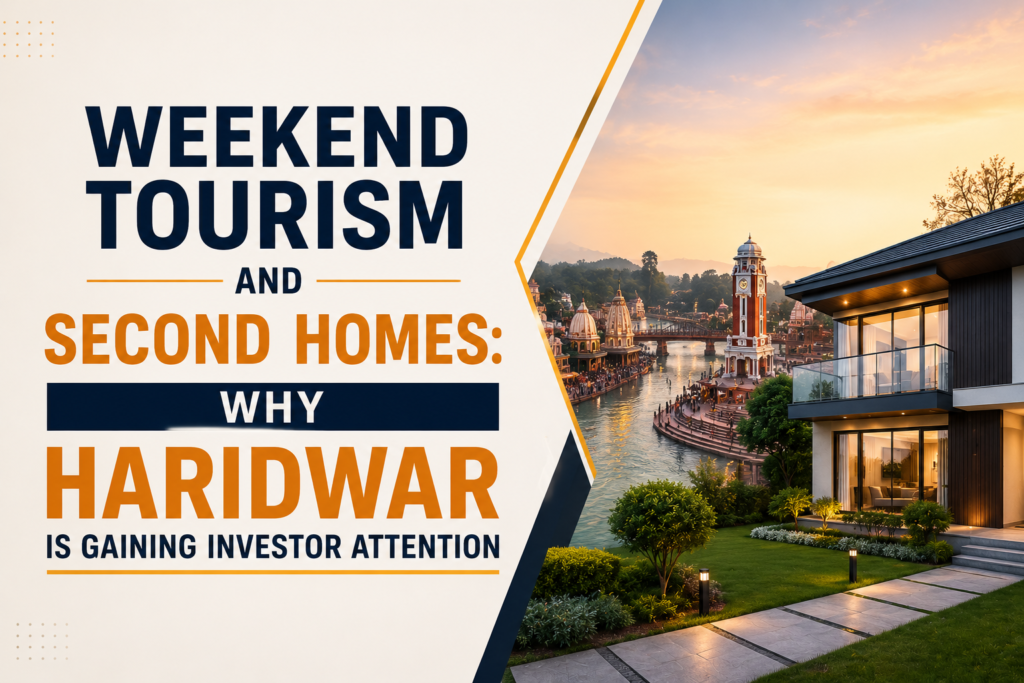
Weekend Tourism and Second Homes: Why Haridwar is Gaining Investor Attention
By Dr Annkit A Jayant, CEO, HP Global Infrra
For decades, Haridwar has been recognised as one of India’s most revered spiritual destinations, welcoming millions of pilgrims and tourists every year. Today, however, the city is witnessing a broader transformation. Beyond its religious significance, Haridwar is steadily emerging as an attractive destination for second homes and long-term real estate investment. This shift is being driven by improved connectivity, evolving buyer preferences, and a growing demand for destinations that offer both lifestyle value and investment potential.
The concept of owning a second home has evolved significantly over the past few years. Earlier viewed as a luxury purchase, it is now increasingly considered a practical lifestyle and financial decision. Homebuyers are seeking destinations where they can escape the pace of urban life, spend quality time with family, or even work remotely for extended periods. Haridwar offers this unique balance by combining natural surroundings, cultural heritage, and modern infrastructure within a comfortable driving distance from Delhi-NCR and several North Indian cities.
Weekend tourism has played a pivotal role in this transition. Improved highways and better regional connectivity have made Haridwar more accessible than ever before, encouraging frequent short trips rather than occasional annual visits. This consistent influx of visitors has strengthened demand for quality residential developments, serviced apartments, and thoughtfully planned communities that cater to modern lifestyles while respecting the city’s cultural identity.
Another important factor influencing investor sentiment is the city’s expanding economic ecosystem. Hospitality, retail, healthcare, and local businesses continue to grow alongside tourism, creating a more vibrant urban environment. Such diversified development not only enhances the quality of life for residents but also supports long-term appreciation of real estate assets. Investors today evaluate markets based not only on present demand but also on future growth potential, and Haridwar is gradually demonstrating both.
Buyer aspirations are also changing. Today’s purchasers are looking beyond square footage and location. They value wellness, open spaces, sustainable living, and a sense of community. Haridwar naturally aligns with these expectations. Its spiritual atmosphere, proximity to the Ganga, and access to nature create an environment that promotes a healthier and more balanced lifestyle. For many families, owning a home here represents not just an investment but a place to reconnect, rejuvenate, and build lasting memories.
From a developer’s perspective, this changing demand also brings greater responsibility. Growth in heritage cities must be planned with sensitivity, ensuring that development complements rather than compromises the cultural and environmental character of the destination. Quality construction, sustainable planning, efficient infrastructure, and community-focused developments will be key to creating long-term value for both residents and investors.
Haridwar’s real estate story is no longer defined solely by pilgrimage-driven demand. It is evolving into a market where lifestyle, tourism, and investment intersect. As more homebuyers prioritise meaningful living experiences alongside financial security, destinations like Haridwar are likely to witness sustained interest. The opportunity lies not merely in building homes but in creating thoughtfully planned communities that reflect the city’s timeless essence while meeting the aspirations of a new generation of homeowners and investors.
Disclaimer: Views expressed in this article are those of the author, and not necessarily of Realty&More.