Only One to Two Per Cent of Women Reach Leadership Roles in Realty Sector, Says JLL-NAREDCO MAHI Report
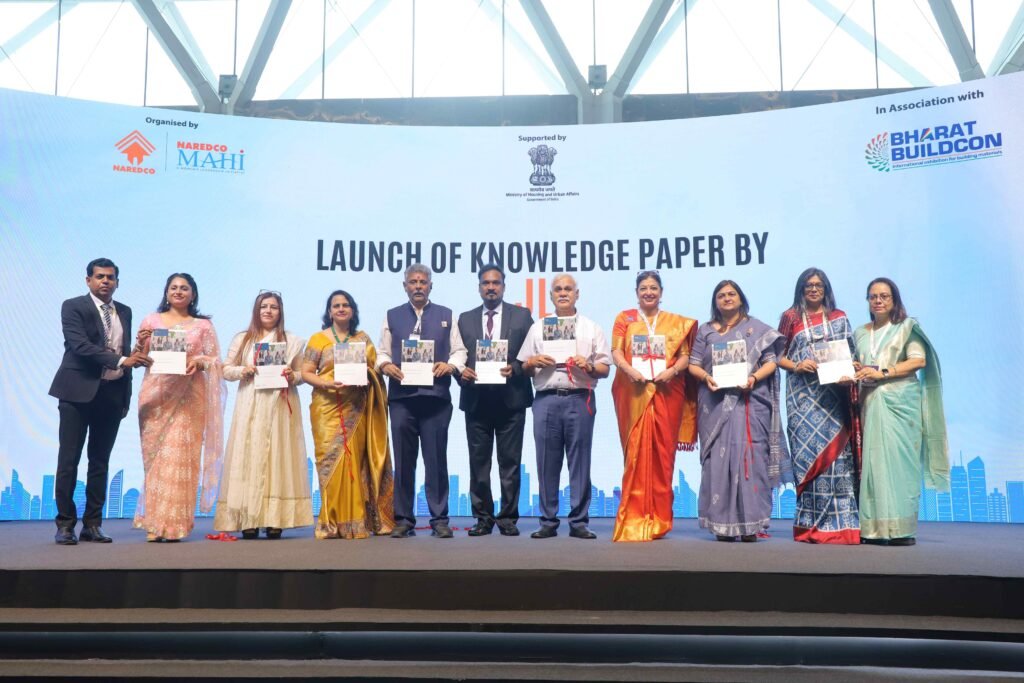
New Delhi, June 24, 2026: Women account for nearly half of India’s population and are increasingly influencing housing demand, property ownership, and sustainability-led development, yet only 1-2 per cent of them occupy leadership positions in the country’s real estate sector, according to a joint report by JLL and NAREDCO MAHI.
The report, titled “Building Inclusive Future: Empowering Women in India’s Real Estate Transformation”, highlights that women comprise 48.5 per cent of India’s population but represent only around 10 per cent of the 71 million workforce employed in the construction sector, which stands as one of the country’s largest employment generators and a key contributor to its GDP.
The findings point to a significant leadership gap in an industry that is rapidly evolving through urbanisation, digital transformation, ESG adoption, and green building practices. While women are increasingly emerging as homebuyers, entrepreneurs, developers, architects, sustainability experts, and PropTech professionals, their representation sharply declines at senior management and decision-making levels. According to the report, women account for nearly 40-45 per cent representation at entry-level positions in several real estate-related professions. However, attrition rises significantly during mid-career stages, resulting in a steep fall in representation at senior management and leadership positions.
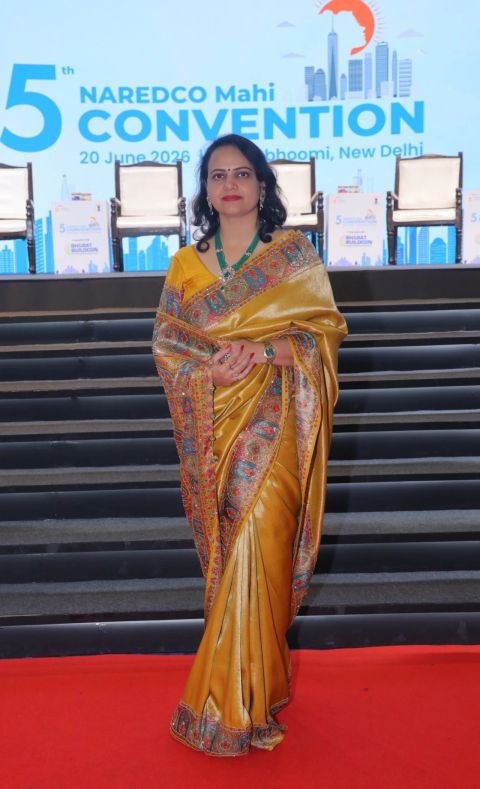
Commenting on the report, Smita Patil, President, NAREDCO MAHI, said: “Women are no longer participants at the margins of the real estate sector; they are increasingly shaping its future as homebuyers, professionals, entrepreneurs and sustainability champions. However, the industry must now focus on building stronger pathways for leadership through mentorship, skilling, financial inclusion and equal opportunities. Greater participation of women is not only an inclusion imperative but also a business imperative for the future growth of Indian real estate.”
The report notes that despite several policy interventions aimed at encouraging women property owners—including stamp duty concessions, home loan incentives, and the Pradhan Mantri Awas Yojana (PMAY)—significant barriers continue to limit women’s progression into leadership roles. The study also draws attention to the challenges faced by women in the informal construction workforce, where a majority continue to work without adequate social security, childcare support, insurance coverage, or structured career advancement opportunities.
At the same time, women are playing an increasingly important role in shaping India’s sustainability agenda. The report highlights their growing contribution to green building certification, ESG implementation, sustainable urban development, PropTech innovation, and smart infrastructure planning. The report also highlights the role of NAREDCO MAHI in promoting women’s participation through leadership development programmes, mentorship initiatives, knowledge-sharing platforms, industry networking forums, startup incubation support, and international learning exchanges.

It recommends a series of interventions to bridge the gap, including transparent pay structures, return-to-work programmes, stronger workplace safety mechanisms, childcare support, leadership development initiatives, and greater representation of women in decision-making roles. Unlocking the full potential of women across construction sites, corporate offices, and boardrooms will be critical to strengthening talent pipelines, improving governance standards, and supporting India’s vision of becoming a developed economy by 2047.
A Shankar, India Head – Government Advisory & Infrastructure Solutions, JLL India, highlights: “Meaningful progress in the participation of women in real estate emerges not from isolated gestures but through accumulated actions: comprehensive training programs, structured career pathways, pay equity transparency, childcare support, and workplace cultures that recognizes diversity. Enabling women’s full participation in real estate transcends equity alone— it represents a strategic pathway toward achieving the Viksit Bharat 2047 goals and India’s aspiration of becoming a $1 trillion economy.”