Building Beyond Today: What Makes Real Estate Endure
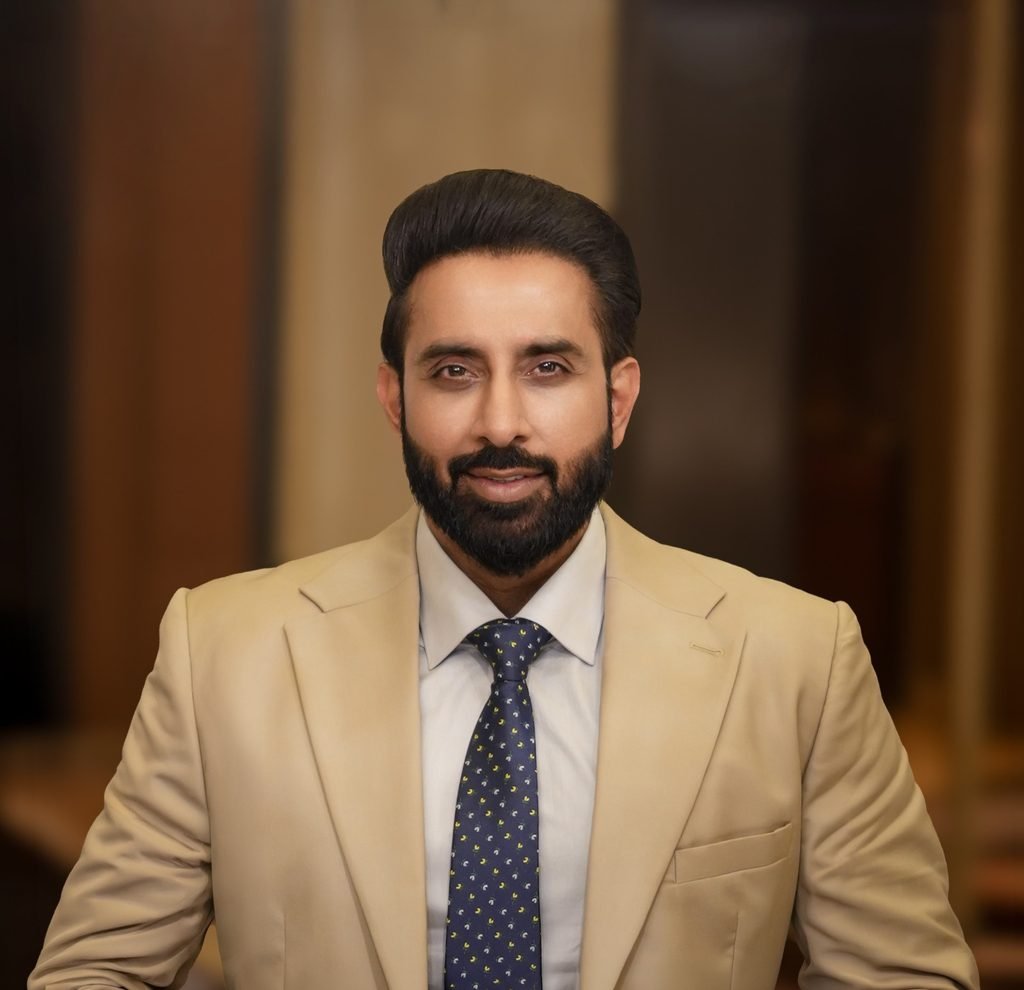
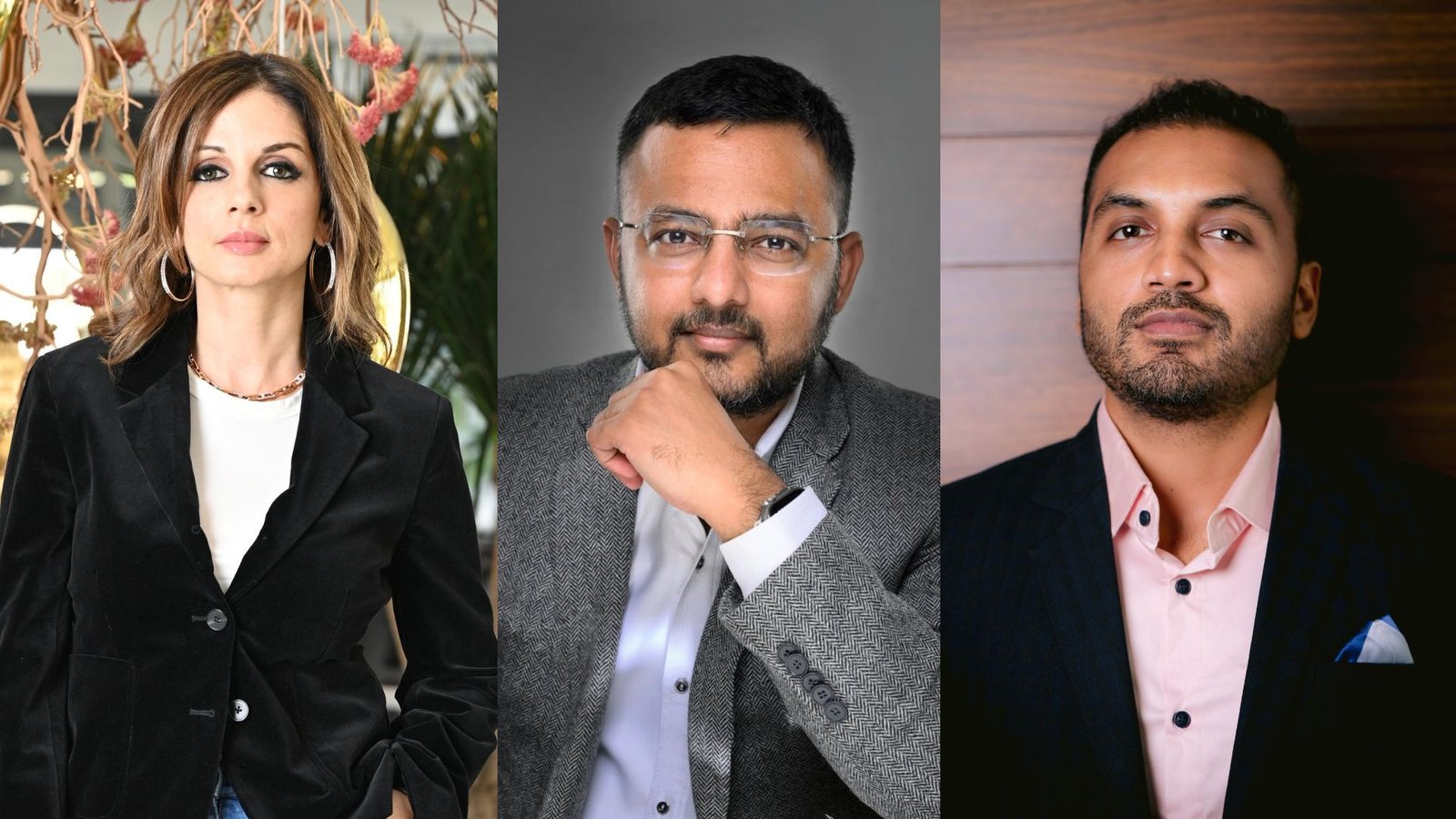
By Gurinder Bhatti, Chairman & Managing Director, GB Realty
Real estate is usually measured in square feet, pricing, sales and returns. But the developments people remember are rarely defined by numbers alone. They become addresses that people recognise, neighbourhoods that acquire a distinct character and spaces that continue to matter long after the first buyer has moved in.
That, to me, is a more meaningful measure of success in real estate.
The way people evaluate property is changing. A home is no longer judged only by its size, specifications or amenities. Buyers are asking whether the neighbourhood will remain desirable, whether the design will continue to work as their lives change, how much time they will spend commuting and whether the development offers enough openness, privacy and connection to nature. These considerations are pushing developers to think beyond the immediate sales cycle.
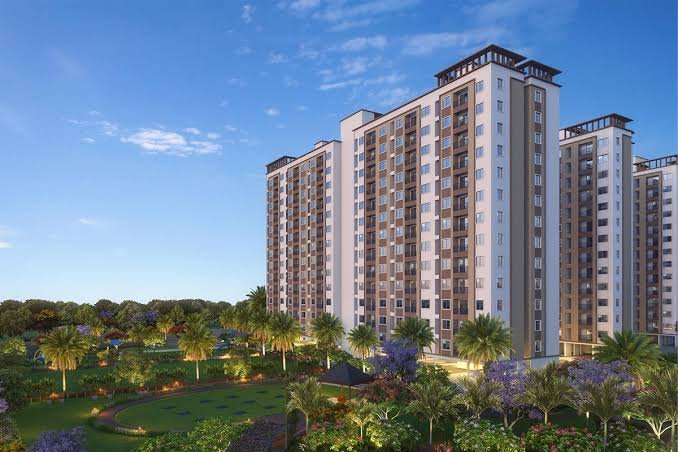
A well-planned development should fit naturally into its surroundings rather than simply occupy a piece of land. Good architecture has to age well, but good planning must also anticipate how people will live five, ten or twenty years from now. This is particularly relevant in rapidly growing Indian cities, where today’s projects will eventually become part of tomorrow’s established communities.
The idea of luxury is changing along with this shift. For a family, luxury may mean a home where bedrooms are genuinely private, while shared spaces allow people to come together. It may mean landscaped areas that offer a quiet break from the city, wellness facilities that are actually usable, better air and natural light, or the simple convenience of having everyday needs within easy reach. These are not decorative additions. They influence how a property feels and functions every day.
Sustainability follows the same principle. Energy-efficient systems, water conservation, native landscaping, EV infrastructure and climate-responsive design can reduce operating demands while making communities more resilient. India’s growing green building movement reflects this broader shift, with CBRE reporting that the country’s green-certified office stock has more than doubled over the past nine years.
But perhaps the biggest opportunity lies in thinking about what a development leaves behind. A project can create more than homes or commercial space. It can contribute to a better public realm, encourage community interaction, improve the character of its surroundings and set a standard for future development. That is where legacy begins.
Legacy, however, does not mean building something frozen in time. It means creating places with enough quality and flexibility to remain relevant as lifestyles, technology and expectations evolve. The buildings that endure are often those designed with this ability to adapt.
At GB Realty, this is how we view the responsibility of development. The objective is not simply to build for today’s market, but to create something that continues to earn its place in the city.
A building may take a few years to construct. Its reputation, influence and value can last much longer.