Why Experience is Emerging as the New Differentiator in Residential Real Estate?

New Delhi, May 6, 2026: For decades, the value of a home was distilled into a familiar triad: size, price, and location. But that framework is beginning to feel insufficient in the face of a more discerning, experience-led buyer. In urban markets like NCR, the conversation has actively shifted from what a home offers on paper to how it performs in everyday life; how it breathes, adapts, and supports evolving routines. This is not a fleeting, post-pandemic impulse, but a deeper behavioural recalibration, where home is no longer just owned space, but lived experience.
What is increasingly being described as “experience” is, in reality, a far more layered construct than the term suggests. It begins with the fundamentals: thoughtful spatial design that allows for natural light, cross-ventilation, and a sense of privacy, but extends into how communities are planned to balance interaction with personal retreat. Amenities, too, are being reimagined, not as a checklist of offerings, but as purposeful extensions of everyday living. Increasingly, homes are expected to accommodate fluid lifestyles, where work, leisure, and wellness coexist without friction. In this context, experience is not defined by any single feature, but by how seamlessly these elements come together to create a cohesive, intuitive living environment.
At the heart of this shift lies a more evolved, self-aware homebuyer who approaches the decision with greater clarity and less speculation. The emphasis is steadily moving from short-term investment gains to long-term end-use, where the home is expected to serve as a stable, enriching environment rather than a transactional asset. A CBRE report revealed that high-end housing transactions formed nearly 27% of total sales in the housing market across India in the calendar year 2025.
The report further attributed the surge in high-end housing to rising household incomes, sustained demand from NRIs, and a growing preference for larger homes offering better infrastructure and lifestyle amenities. The segment’s share rose from about 12% in 2022 to 26.8% in 2025, marking a structural change in buyer preferences across major cities.
This has also brought emotional value into sharper focus; factors such as comfort, belonging, and everyday ease are now weighed alongside financial appreciation. The purchase is no longer just about ownership; it reflects a conscious effort to curate a way of living that aligns with personal aspirations and routines.
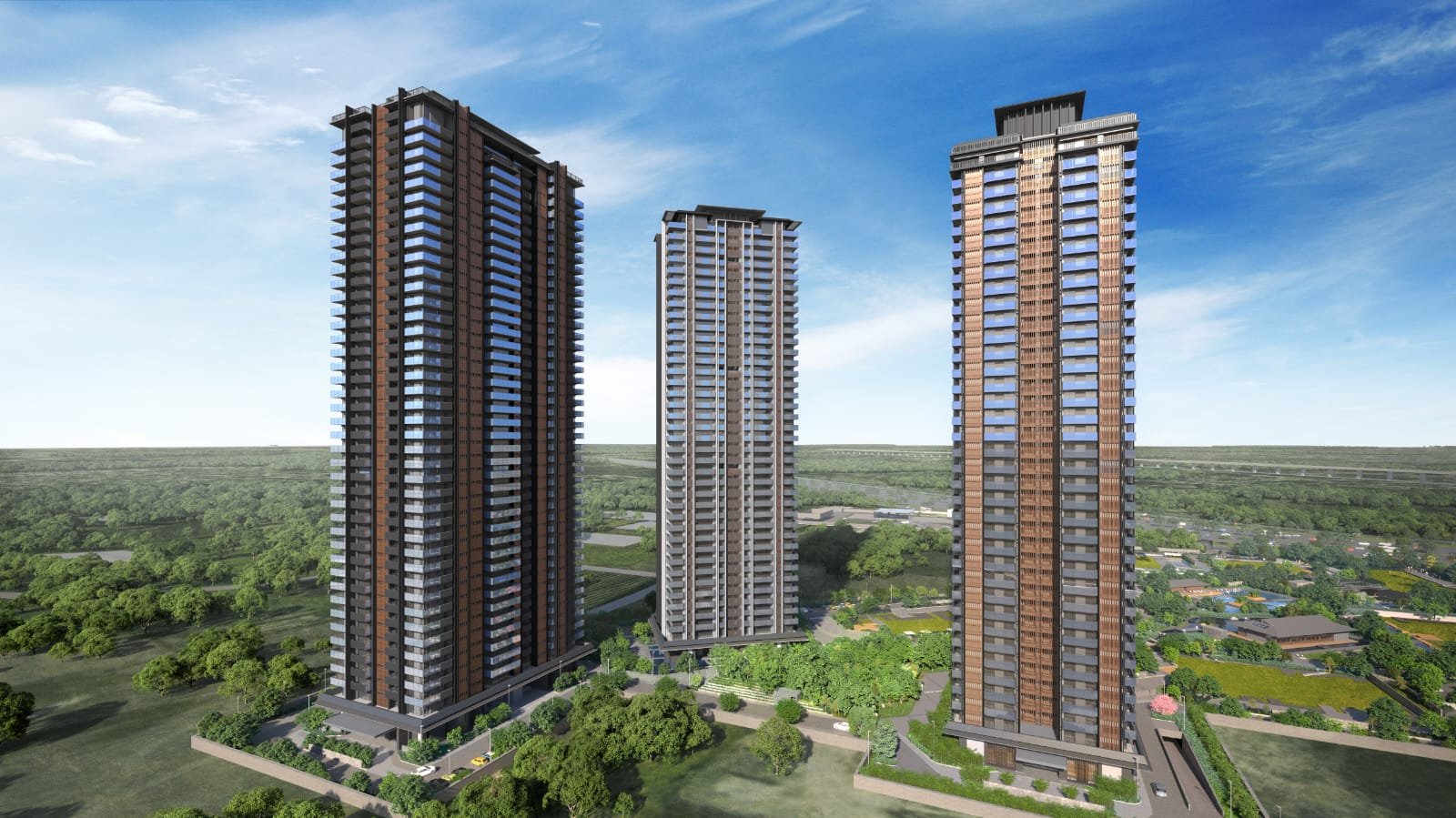
Design, in this evolving context, is no longer confined to functionality; it is increasingly being used to shape a narrative that residents can inhabit. Developers are thinking beyond structures, curating environments where themed landscapes, intuitively zoned amenities, and thoughtfully crafted arrival experiences come together to create a sense of continuity. Even the in-between spaces like lobbies, corridors, and open areas are being treated as integral touchpoints rather than residual zones. In emerging micro-markets like Greater Noida West, developments such as CRC Joyous in Techzone-4, Greater Noida West, just a 10-minute drive from Central Noida, reflect this shift, where planning extends beyond unit layouts to deliver a more cohesive, lifestyle-oriented residential fabric.
Notably, the project has been envisioned as an inclusive, family-centric development, thoughtfully designed to cater to all age groups and ensure that every member of the family finds spaces and experiences tailored to their needs.

Abhinav Jain, VP- Sales & Marketing, CRC Group, said, “Today homebuyers are not just evaluating square footage or specifications; they are evaluating how a space will feel and function in their everyday life. At CRC, we’ve approached developments like Joyous with the idea that a home should seamlessly support multiple dimensions of living—work, leisure, wellness, and community. The focus has been on creating an environment that feels intuitive and inclusive, where every age group finds relevance, and where the experience of living evolves with the resident over time.”
Equally significant, yet often understated, is the growing role of community in shaping the overall residential experience. In a city life that can feel increasingly fragmented, shared spaces are being intentionally designed to encourage interaction without compromising personal boundaries. There is a visible rise in more curated forms of community living through resident-led events, interest-based clubs, and thoughtfully activated common areas that bring a sense of rhythm to everyday life. Over time, this blend of safety, familiarity, and social engagement fosters a deeper sense of belonging, making the home not just a private retreat but part of a larger, more connected living ecosystem.
Location, while still central to real estate decisions, is being redefined in more nuanced terms. It is no longer evaluated solely on connectivity, but on the strength of the surrounding ecosystem—access to schools, retail, work hubs, and everyday conveniences that shape daily life. This has brought emerging micro-markets into sharper focus, especially those backed by planned infrastructure and a more integrated approach to urban development.
In this context, Greater Noida West is gradually positioning itself as a more cohesive, self-contained residential hub, where location supports not just movement, but a more complete way of living. The region contributed 23% share in new residential launches in Q1 2026.
As the market matures, experiential value is beginning to translate into tangible financial outcomes. Projects such as CRC Joyous deliver a more cohesive living experience and are increasingly commanding pricing premiums, not merely on the strength of location, but on the depth of their offering. This, in turn, is reflected in stronger resale confidence and lower churn, as residents develop a deeper attachment to the environment they inhabit. Even within rental markets, such developments tend to see more stable tenant retention, suggesting that experience is no longer a soft, intangible layer—but a defining factor in long-term value creation.
Therefore, as buyer expectations grow more nuanced, experience is unlikely to remain a point of differentiation for long; it is becoming the baseline against which all developments will be measured. In that sense, the next phase of housing growth will not be defined by the scale of construction, but by the depth of thought and intention behind it.