Forest Hill Resort Partners With Afforestt for Large-Scale Native Rewilding in Shivalik Foothills
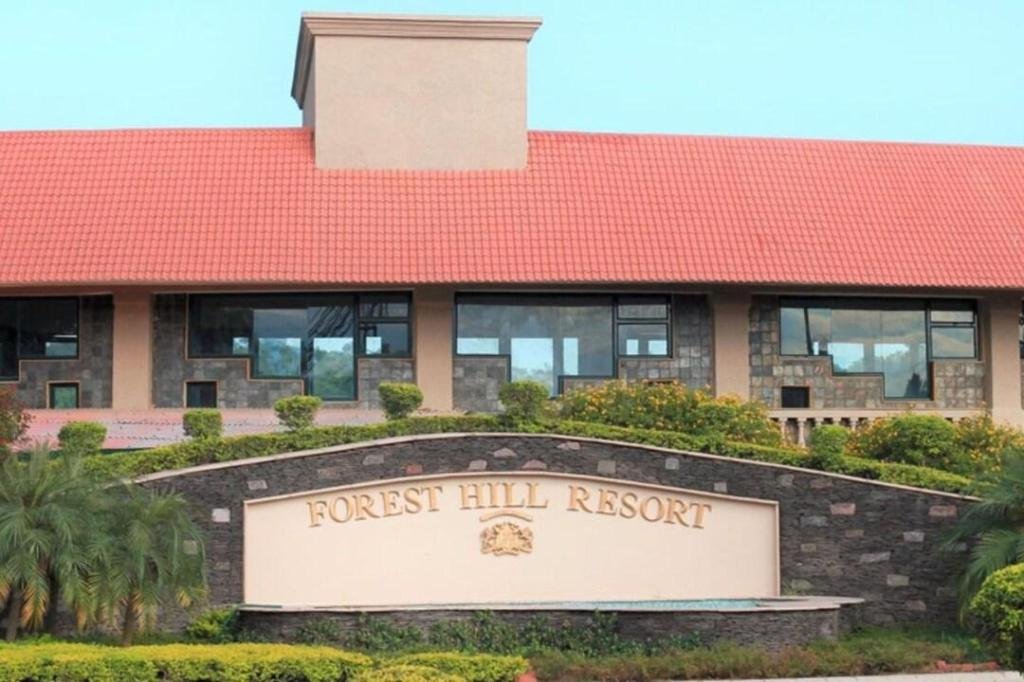
Chandigarh, May 16, 2026: In a major push for sustainable hospitality, Forest Hill Resort (FHR) has partnered with international ecological restoration firm Afforestt to launch a massive native rewilding and habitat restoration initiative. The project spans FHR’s nearly 2,000-acre property located in the Shivalik foothills near Chandigarh, directly adjacent to the 10,000-acre Sukhna Wildlife Sanctuary, Forest Hill Resort said in a press release.
The initiative aims to position the region as a premier global eco-tourism destination. Devinder Sandhu, Director of Forest Hill Resort, emphasized that the project reflects a deep commitment to preserving the area’s natural character. “The initiative will redefine eco-conscious hospitality. We want to build awareness around conservation and sustainable tourism,” Sandhu said. “Our aim is to position the Chandigarh-Shivalik region through FHR, prominently on the national & global eco-tourism map. Through this collaboration with Afforestt, we are strengthening our commitment to responsible tourism by creating an environment where guests can experience tranquillity, biodiversity and wellness without ecological disturbance,” he added.
Afforestt’s Director, Gaurav Gurjar, noted that the property holds a position of “Maximum Ecological Advantage” as it lies within a vital watershed and wildlife corridor. “The site lies within the watershed of multiple seasonal streams and supports rich biodiversity, making it an important ecological extension of the surrounding wildlife corridor,” Gaurav explained. Looking at the long-term impact, he added, “We think of this as a journey, not a project with a fixed endpoint. In five years, the landscape will show visible ecological transformation. In twenty years, it can evolve into a lasting ecological legacy.”
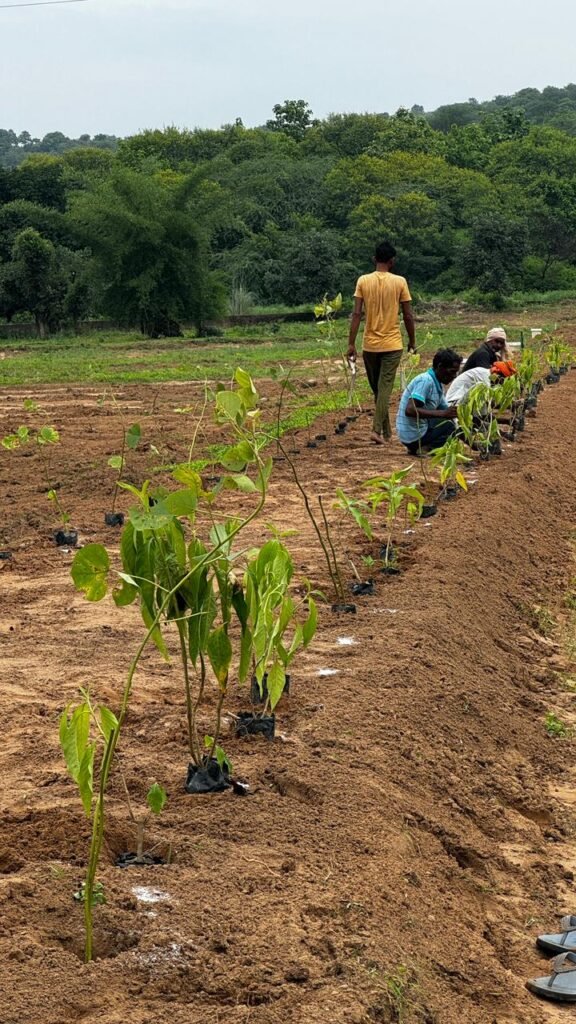
Initial ecological audits, soil studies, and Potential Native Vegetation (PNV) mapping have already been completed, and teams are actively removing invasive species to plant native trees and shrubs.
Outlining the strategic phases of the rewilding process, Gaurav said, “First, is research and audit: PNV (Potential Native Vegetation) mapping, soil study, water movement analysis, identifying what is suppressing native life. Second, clearing: removing invasive and non-native species to open the ground. Third, water design: slowing and sinking rainfall through lakes, channels, and retention features. Fourth, planting: native species across all layers, from canopy to ground cover. From there, the forest takes over. The Shivalik foothills possess a unique ecological identity shaped over thousands of years. Our work here is about restoring that ecological memory using species that naturally belong to this terrain. When we design with native species, we are designing with the intelligence of the land itself.”
The project focuses on reviving a mixed deciduous forest ecology by prioritizing native species like Jhingan, Phulai, Surteli, Dhavda, Kaim, and Khair. According to Afforestt Designer Varsha Gurjar, the area already supports barasingha, peacocks, grey hornbills, and over 60 bird species. A cornerstone of the initiative is hydrological restoration, featuring trenching systems and natural channels to slow down and absorb rainwater. The site’s first lake is slated for completion before the upcoming monsoon. “By restoring natural water movement and retention systems, we are also creating habitats that support birds, insects, reptiles and long-term forest health,” Varsha stated.
FHR plans to integrate this living ecosystem into its premium guest experience, replacing traditional artificial landscaping with natural scenic beauty and biodiversity. Highlighting the shift in traveler preferences, Sandhu concluded, “Guests today seek meaningful and immersive experiences connected with nature. This initiative will allow visitors to experience a living ecosystem rather than an artificially landscaped property. Our aim is to create a peaceful eco-haven where ecological conservation and hospitality exist together.”