Green Buildings: The Future of Real Estate
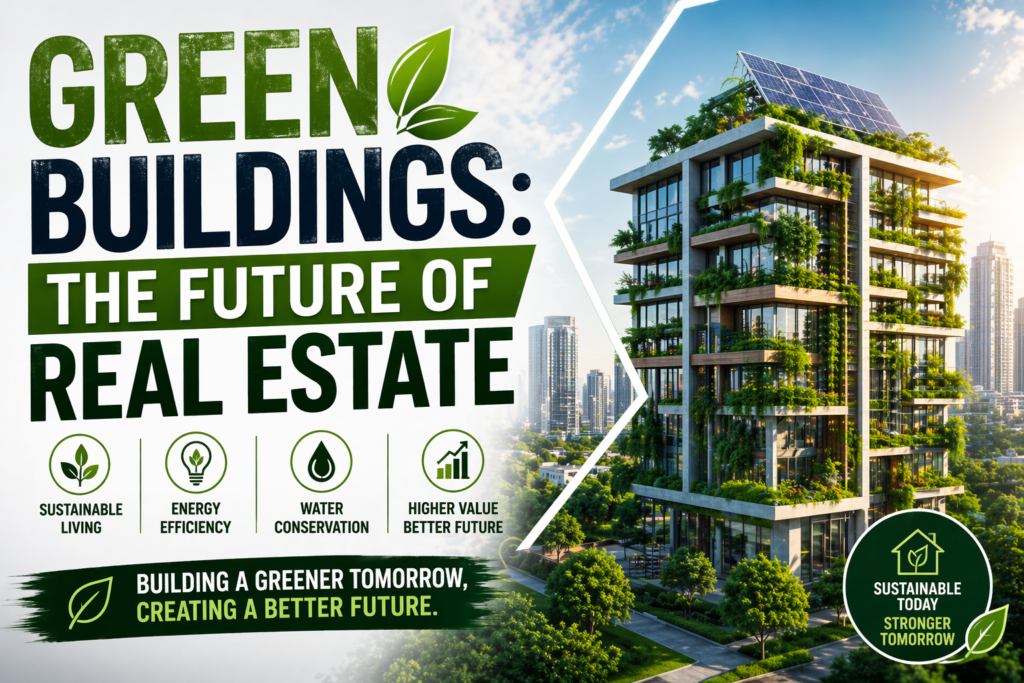
The real estate industry is undergoing a powerful transformation. With rising environmental concerns, stricter regulations, and growing awareness among buyers, green buildings are no longer a niche concept—they are becoming the future of real estate. From reduced energy consumption to healthier living environments, sustainable construction is reshaping how we design, build, and invest in properties.
In India and across the globe, developers, investors, and homebuyers are increasingly prioritizing eco-friendly solutions. But what exactly are green buildings, and why are they gaining so much importance?
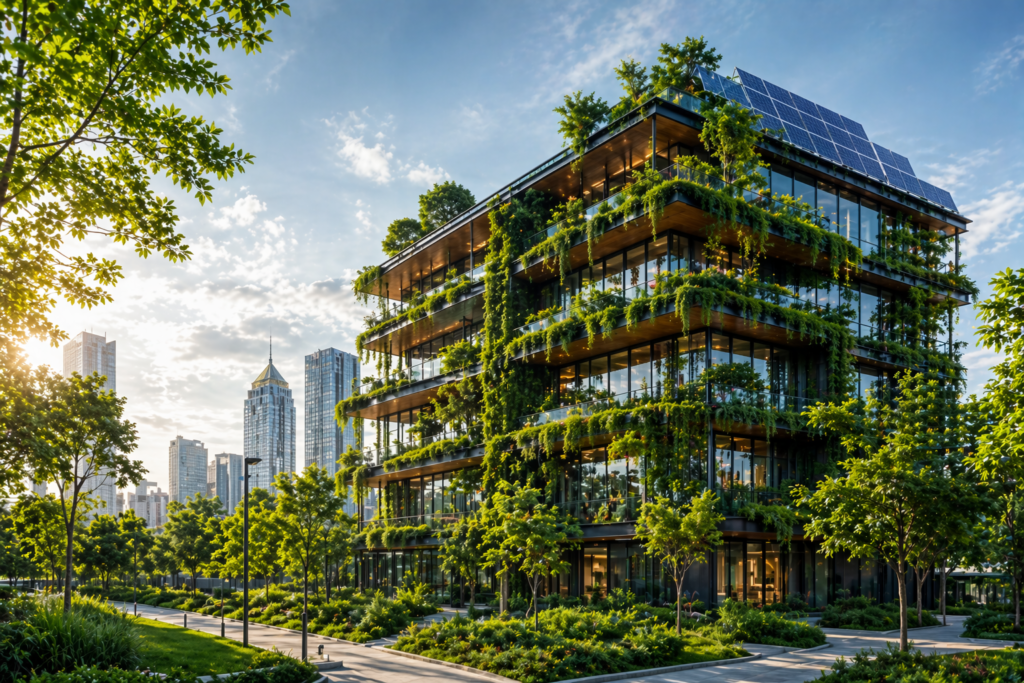
What Are Green Buildings?
Green buildings are structures designed, constructed, and operated in an environmentally responsible and resource-efficient manner. They focus on minimizing the negative impact on the environment while maximizing efficiency in energy, water, and materials.
These buildings incorporate:
- Energy-efficient systems
- Sustainable construction materials
- Water conservation techniques
- Waste reduction strategies
- Improved indoor air quality
Globally recognized certifications like LEED (Leadership in Energy and Environmental Design) and India’s own IGBC standards help define and validate green construction practices.
Why Green Buildings Are the Future of Real Estate
1. Rising Demand for Sustainable Living
Modern homebuyers are more environmentally conscious than ever before. Millennials and Gen Z, in particular, prefer homes that reduce their carbon footprint and align with sustainable living practices. Green buildings offer features like solar panels, rainwater harvesting, and energy-efficient appliances—making them highly desirable.
2. Cost Savings in the Long Run
While the initial investment in green construction may be slightly higher, the long-term savings are significant. Reduced electricity bills, lower water consumption, and minimal maintenance costs make green buildings economically viable.
Energy-efficient systems can reduce power consumption by up to 30–40%, making them a smart financial decision for homeowners and commercial investors alike.
3. Government Policies and Incentives
Governments are actively promoting sustainable construction through policies, tax benefits, and incentives. In India, initiatives like the Energy Conservation Building Code (ECBC) and Smart Cities Mission are encouraging developers to adopt eco-friendly practices.
Such policies are accelerating the adoption of green buildings across residential, commercial, and industrial sectors.
4. Higher Property Value and ROI
Green buildings often command higher property values and better resale potential. Properties with green certifications are perceived as premium assets due to their efficiency and sustainability.
Investors are increasingly recognizing that eco-friendly properties not only generate better returns but also attract quality tenants and buyers.
5. Healthier Living and Working Spaces
Green buildings prioritize indoor environmental quality. Features like natural lighting, proper ventilation, and non-toxic materials contribute to improved physical and mental well-being.
This is particularly important in urban areas, where pollution and poor air quality are major concerns.
Key Features of Green Buildings
Energy Efficiency
Use of LED lighting, solar panels, and energy-efficient HVAC systems reduces energy consumption significantly.
Water Conservation
Rainwater harvesting, low-flow fixtures, and water recycling systems help conserve water.
Sustainable Materials
Use of recycled, locally sourced, and eco-friendly materials minimizes environmental impact.
Waste Management
Efficient waste segregation and recycling systems reduce landfill waste.
Smart Technology Integration
Automation systems optimize energy usage and enhance overall efficiency.
Green Buildings in India: Current Trends
India is rapidly emerging as a global leader in sustainable real estate. Cities like Bengaluru, Mumbai, and Delhi NCR are witnessing a surge in green-certified buildings.
Developers are integrating:
- Solar rooftops
- Green rooftops and vertical gardens
- EV charging infrastructure
- Smart energy management systems
With increasing urbanization and climate challenges, green construction is becoming a necessity rather than an option.
Challenges in Adopting Green Buildings
Despite their benefits, green buildings face certain challenges:
- Higher initial construction costs
- Lack of awareness among buyers
- Limited availability of sustainable materials
- Need for skilled professionals
However, as technology advances and awareness grows, these barriers are gradually diminishing.
The Role of Technology in Green Real Estate
Technology is playing a crucial role in accelerating the adoption of green buildings. Innovations such as:
- IoT-based energy monitoring
- AI-driven building management systems
- Smart grids and renewable energy integration
are making sustainable living more accessible and efficient.
Why Real Estate Investors Should Focus on Green Buildings
For investors, green buildings offer:
- Long-term cost efficiency
- Higher rental yields
- Better occupancy rates
- Future-proof investments
As sustainability becomes a global priority, properties that align with green standards will continue to outperform traditional developments.
Conclusion
Green buildings are not just a trend—they represent the future of real estate. As environmental concerns intensify and buyers become more conscious, sustainable construction will dominate the industry.
For developers, adopting green practices is a strategic move. For buyers, it’s a healthier and more cost-effective lifestyle. And for investors, it’s a smart, future-ready opportunity.
The shift towards green buildings is inevitable—and those who embrace it early will lead the next era of real estate growth.