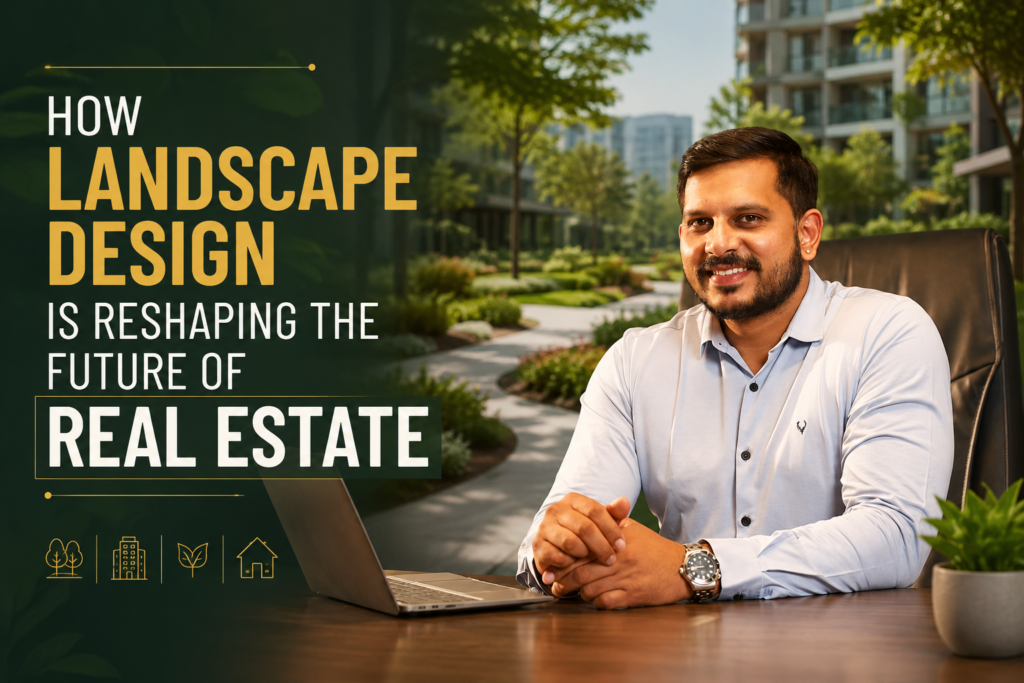
How Landscape Design is Reshaping the Future of Real Estate
In India’s rapidly growing urban centers, the concrete jungle is undergoing a vital structural evolution. What was once dismissed as a final cosmetic touch—a patch of lawn or a row of decorative shrubs added at the tail end of a construction project—has matured into a high-stakes strategic pillar of modern real estate. Today, landscape architecture sits at the very heart of the master planning process, acting as a crucial driver for property valuation, sustainability compliance, and commercial marketability.
As Indian cities face the combined challenges of rising temperatures and surging density, homebuyers and corporate tenants alike are demanding environments that seamlessly fuse wellness with climate resilience. From biophilic sky gardens to water-retaining green infrastructure, the built environment is being fundamentally rewritten.
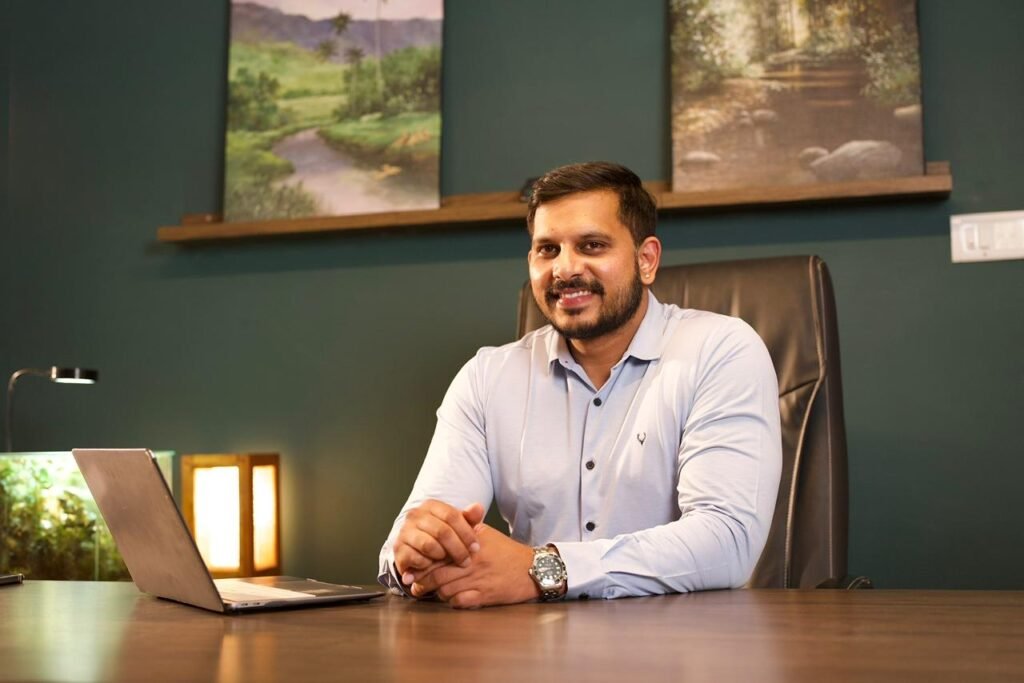
In this exclusive interview, Suraj Nayak, Founder & Managing Director of Ecoscapes Landscaping, shares insights from over a decade of transforming open spaces across India. He discusses the rising consumer obsession with outdoor living, the science of climate-responsive master planning, and why the next generation of future-ready developments must prioritize nature to deliver long-term value.
- Over the last decade, how have you seen the role of landscape design evolve within residential and commercial real estate developments in India?
Over the last decade, the role of landscape design in India’s residential and commercial real estate sectors has undergone a remarkable transformation. Earlier, landscaping was often viewed as a finishing touch, something added after the core development was complete. Today, it has become a strategic component of the planning process and a key factor influencing the success, marketability, and long-term value of a project.
In residential developments, buyers are increasingly looking beyond the built-up area. They are seeking healthier lifestyles, access to nature, wellness-focused amenities, and meaningful community spaces. Landscapes are now expected to deliver functional benefits through walking trails, children’s play areas, outdoor fitness zones, community gardens, and recreational spaces that enhance residents’ quality of life. In many premium developments, the landscape experience has become as important as the architecture itself.
- Today’s homebuyers are increasingly prioritizing wellness, sustainability, and outdoor living. How is this shift influencing the way developers approach landscape planning and design?
Today’s homebuyers are placing greater emphasis on wellness, sustainability, and quality outdoor experiences, and this is significantly influencing how developers approach landscape planning. Landscapes are no longer seen as decorative elements; they have become essential components of residential developments.
Developers are increasingly incorporating features such as walking trails, wellness gardens, outdoor fitness spaces, community parks, and multifunctional open areas that promote healthier and more connected lifestyles. At the same time, there is a stronger focus on sustainable practices, including native planting, water-efficient irrigation, rainwater harvesting, and biodiversity-friendly design.
The demand for outdoor living has also grown considerably, with residents seeking spaces for recreation, relaxation, and social interaction within their communities. As a result, landscape design is now being integrated at the early stages of project planning, helping developers create environments that enhance resident well-being, differentiate their projects, and deliver long-term value.
- In your view, how does thoughtful landscape design contribute to the overall value, marketability, and long-term appeal of a real estate project?
Thoughtful landscape design adds value far beyond aesthetics. It enhances the overall user experience, creates a strong first impression, and helps differentiate a project in a competitive market. Well-planned green spaces, recreational areas, and community-focused outdoor environments contribute to resident well-being and increase the desirability of a development.
In the long run, quality landscapes support higher property values, stronger marketability, and greater resident satisfaction, making them a strategic investment rather than just an amenity.
- As Indian cities grapple with rising temperatures and increasing urban density, what role can landscape architecture play in creating climate-resilient and future-ready developments?
Landscape architecture is essential for building climate-resilient cities. By incorporating shade trees, native vegetation, water-sensitive design, and green infrastructure, developments can reduce heat, improve air quality, manage stormwater, and create healthier outdoor environments.
As urban density increases, well-designed landscapes are no longer optional, they are critical to creating sustainable, future-ready communities that balance environmental performance with quality of life.
- We are witnessing growing interest in amenities such as sky gardens, landscaped terraces, wellness zones, and biophilic spaces. Which landscape trends do you believe will define the next phase of urban living in India?
I believe the future of urban living in India will be shaped by landscapes that prioritize wellness, sustainability, and community engagement. We will see greater adoption of sky gardens, rooftop green spaces, wellness-focused environments, nature-based play areas, and biophilic design that seamlessly integrates nature into everyday living.
At the same time, climate-responsive landscapes featuring native planting, rainwater harvesting, biodiversity zones, and heat-mitigation strategies will become increasingly important. The focus will shift from creating ornamental green spaces to designing multifunctional outdoor environments that enhance well-being, foster social connections, and improve environmental resilience.
- Looking ahead, how do you see the relationship between real estate, sustainability, and landscape design evolving over the next five to ten years?
Over the next five to ten years, I believe the relationship between real estate, sustainability, and landscape design will become far more integrated and strategic. Sustainability will no longer be viewed as an added feature but as a fundamental requirement, with landscape architecture playing a central role in achieving environmental, social, and economic goals.
Developers will increasingly rely on landscapes to address challenges such as climate resilience, water management, biodiversity conservation, and urban heat mitigation, while also enhancing resident well-being and quality of life. At the same time, buyers and investors will place greater value on developments that offer meaningful green spaces and sustainable living environments.
The future of real estate will be defined by projects that successfully balance built infrastructure with nature, creating communities that are resilient, wellness-focused, and environmentally responsible.