Maharashtra Renewable Energy Minister Calls for Sustainable Growth at IGBC Green Marathwada Conclave 2026
Chhatrapati Sambhaji Nagar, March 27, 2026:
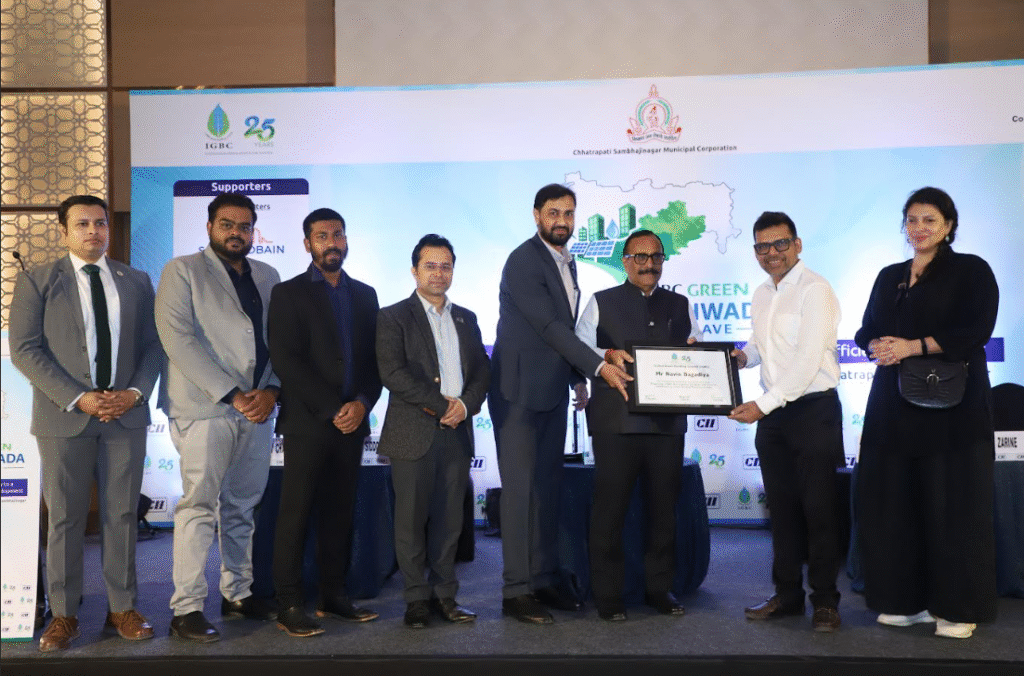
The CII Indian Green Building Council (IGBC) hosted the Green Marathwada Conclave 2026 here, gathering a broad spectrum of policymakers, urban planners, and industry experts to chart a sustainable trajectory for the region. Centered on the theme “Marathwada 2030: A Pathway to a Greener Growth & Resource-Efficient Development,” the summit addressed critical issues ranging from climate resilience to the integration of green infrastructure in one of Maharashtra’s fastest-growing industrial hubs, a press statement from the organisers of the event said.
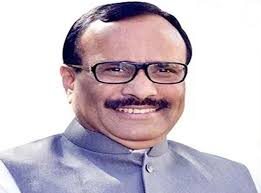
The event featured a keynote address by Atul Save, Minister of Renewable Energy, Government of Maharashtra, who positioned the state as a national leader in the transition to a low-carbon economy. Highlighting the strategic intersection of ecology and industry, Save stated, “Maharashtra is committed to accelerating its clean energy transition by fostering an ecosystem where sustainability and economic growth go hand in hand. Through progressive policies and targeted incentives, we are enabling industries and urban infrastructure to adopt energy-efficient, low-carbon solutions at scale. Marathwada is witnessing significant industrial investments, and it is imperative that this growth is anchored in sustainability to ensure long-term resilience and resource security. Rooftop solar presents a powerful opportunity for buildings to become decentralized energy generators, reducing dependence on conventional power, lowering costs, and contributing meaningfully to our renewable energy targets. The shift towards green infrastructure is not just an environmental necessity, but a strategic imperative for a future-ready Maharashtra.”
Current data released during the conclave underscores Maharashtra’s dominance in the sector, with the state ranked first in India for green buildings. Currently, 4,208 IGBC-registered projects represent a footprint of 4.78 billion sq. ft., with 1,425 already certified. Regional progress in Marathwada is also gaining pace, with 121 registered projects covering 100.57 million sq. ft. Within the Aurangabad division specifically, 50 projects have been registered, signaling Chhatrapati Sambhaji Nagar’s evolution into a sustainable Tier 2 investment destination.
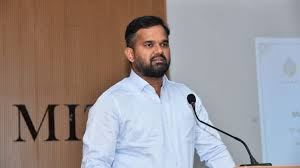
Ar. Hares Siddqui, Chairman of the IGBC Aurangabad Chapter, emphasized the localized commitment to these standards, stating that Marathwada was steadily transitioning toward a structured green growth pathway, supported by increasing awareness, policy support, and industry participation. He noted that the organization intends to deepen its collaboration with developers and government bodies to normalize net-zero concepts across the regional built environment.
A significant portion of the discussion focused on the economic risks associated with traditional infrastructure, particularly in the logistics and warehousing sectors. Experts warned that failing to adopt green standards could result in inefficiency costs ranging from ₹10 crore to ₹60 crore annually, depending on the scale of the facility. Conversely, green-certified assets are seeing rental premiums of 12% to 24%, reinforcing a strong business case for sustainable development.
The conclave concluded with a high-level panel on “Shaping Marathwada’s Net Zero Future Together,” featuring leaders from CREDAI, CMIA, IIA, and ISHRAE. The dialogue focused on the necessity of cross-sector partnerships to meet climate goals. As Chhatrapati Sambhaji Nagar undergoes rapid urban expansion, speakers noted that integrating resource efficiency into city planning will be essential to maintaining the region’s long-term economic competitiveness and livability.