India’s Office Market Evolution: Why Performance is the New Currency
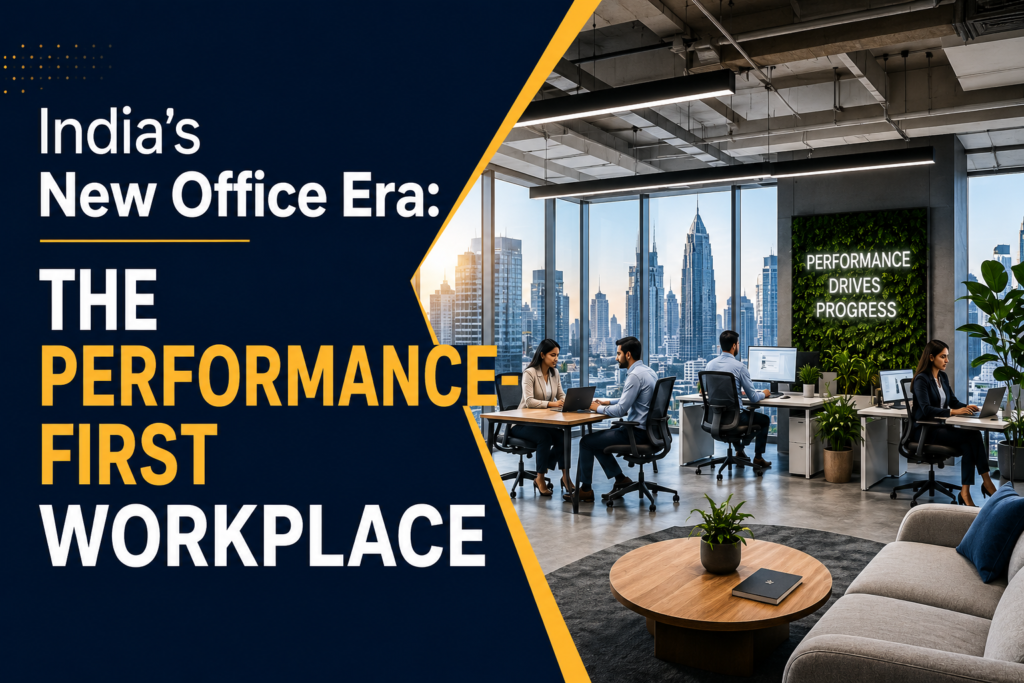
India’s office real estate sector is undergoing a fundamental transformation. For decades, the value of an office space was measured in square footage, location prestige, and lease terms. However, the post-pandemic world has shifted priorities dramatically. Today, organizations are no longer asking, “How much space do we need?” but rather, “How well does this space perform?”
Welcome to the era of the performance-first workplace—where productivity, employee well-being, flexibility, and technological integration define the true value of office environments.
The Shift from Space to Performance
Traditionally, office spaces in India were designed with efficiency in mind—maximizing occupancy and minimizing cost per seat. Central business districts in cities like Gurugram, Bengaluru, and Mumbai thrived on high-density office models. But the rise of hybrid work has disrupted this approach.
Companies are now evaluating office spaces based on how effectively they support collaboration, innovation, and employee satisfaction. The focus has shifted from physical presence to meaningful engagement. As a result, performance metrics such as employee productivity, retention rates, and workplace experience are becoming key decision drivers.
Hybrid Work: The Catalyst of Change
The hybrid work model has played a pivotal role in accelerating this transformation. With employees splitting time between home and office, the purpose of physical workplaces has evolved. Offices are no longer just places to work—they are hubs for collaboration, culture-building, and creativity.
This shift has led to a decline in demand for large, static office layouts and an increase in flexible, adaptive spaces. Organizations are opting for modular designs, shared workstations, and multi-functional areas that can be reconfigured based on need.
In India, this trend is especially visible in the growing popularity of co-working spaces and managed offices. These formats offer scalability, cost efficiency, and the ability to align workspace usage with actual business requirements.
Designing for Productivity and Experience
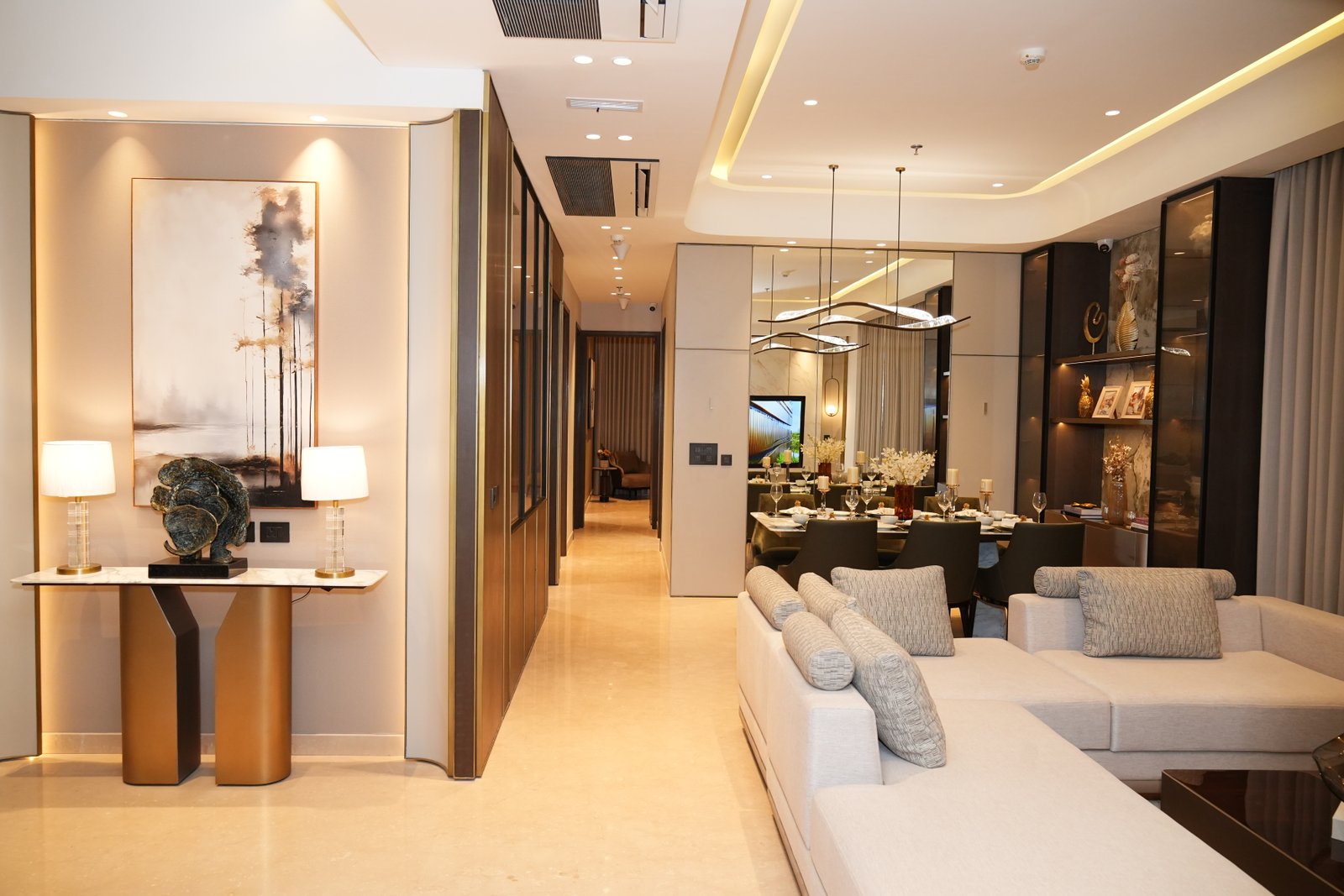
The performance-first workplace places a strong emphasis on employee experience. Modern office design is increasingly guided by behavioral insights, ergonomics, and wellness principles.
Natural lighting, biophilic design elements, noise control, and collaborative zones are no longer luxuries—they are essentials. Companies are investing in spaces that reduce stress, enhance focus, and foster creativity.
Moreover, the integration of technology is redefining how offices function. Smart sensors, AI-driven space management systems, and occupancy analytics enable organizations to track usage patterns and optimize layouts in real time.
This data-driven approach ensures that every square foot contributes to organizational performance.
Technology as the Backbone
Digital transformation is at the heart of the performance-first workplace. From seamless video conferencing setups to IoT-enabled building systems, technology is enabling smarter, more efficient office environments.
In India, Grade A office developments are increasingly incorporating features such as touchless access, energy-efficient systems, and advanced air quality monitoring. These innovations not only enhance safety but also improve operational efficiency.
Workplace apps that allow employees to book desks, meeting rooms, and parking spaces are becoming standard. This level of convenience and control significantly improves the overall workplace experience.
The Rise of Flexible and Managed Spaces
One of the most notable trends in India’s office market is the rapid growth of flexible workspace operators. Managed offices, co-working hubs, and enterprise solutions are gaining traction among both startups and large corporations.
These spaces offer plug-and-play infrastructure, reduced capital expenditure, and the ability to scale up or down quickly. For companies navigating uncertain economic conditions, this flexibility is invaluable.
Developers and landlords are also adapting by incorporating flexible leasing models and offering customized workspace solutions. This shift is redefining traditional landlord-tenant relationships, making them more collaborative and performance-oriented.
Sustainability and ESG Considerations
Another critical aspect of the performance-first workplace is sustainability. Environmental, Social, and Governance (ESG) factors are becoming central to corporate decision-making, and office spaces are no exception.
Green buildings with energy-efficient systems, water conservation measures, and sustainable materials are in high demand. Certifications such as LEED and IGBC are increasingly influencing leasing decisions.
Sustainable workplaces not only reduce environmental impact but also contribute to employee well-being and brand reputation. In a competitive talent market, companies are leveraging eco-friendly offices as a differentiator.
Tier 2 Cities Enter the Spotlight
As the performance-first approach gains momentum, Tier 2 cities in India are emerging as attractive office destinations. Cities like Jaipur, Indore, Kochi, and Lucknow are witnessing increased demand due to lower costs, improved infrastructure, and a growing talent pool.
The hybrid work model has enabled companies to decentralize operations and tap into talent beyond metro cities. This trend is expected to drive the next phase of growth in India’s commercial real estate sector.
Developers are responding by launching high-quality office projects in these markets, equipped with modern amenities and flexible configurations.
Challenges in the Transition
While the shift to performance-first workplaces presents significant opportunities, it also comes with challenges. Organizations must rethink their real estate strategies, invest in technology, and adapt to new ways of working.
Measuring workplace performance is another complex task. Unlike traditional metrics, productivity and employee experience are influenced by multiple factors, making them harder to quantify.
Additionally, the transition requires cultural change. Leaders must embrace flexibility, trust employees, and foster a results-oriented mindset.
The Road Ahead
India’s office real estate market is at a turning point. The performance-first workplace is not a temporary trend—it is the future.
As companies continue to prioritize agility, innovation, and employee well-being, office spaces will evolve into dynamic ecosystems that support diverse workstyles and business goals.
For developers, investors, and occupiers, this shift presents a unique opportunity to redefine value in commercial real estate. Those who embrace this change and align their strategies with performance-driven principles will be best positioned to succeed in the new era.
Conclusion
The transformation of India’s office spaces reflects a broader shift in how we perceive work itself. The focus is no longer on where work happens, but on how effectively it happens.
The performance-first workplace represents a more thoughtful, data-driven, and human-centric approach to office design and utilization. It is about creating environments that empower people, enhance productivity, and drive business outcomes.
As India moves forward in this new office era, one thing is clear: the workplaces of tomorrow will not be defined by size or location, but by their ability to perform. And in this new paradigm, performance is the ultimate measure of success.