Proposed Gurugram-Airport Metro Link Expected to Drive Next Phase of NCR’s Residential Growth
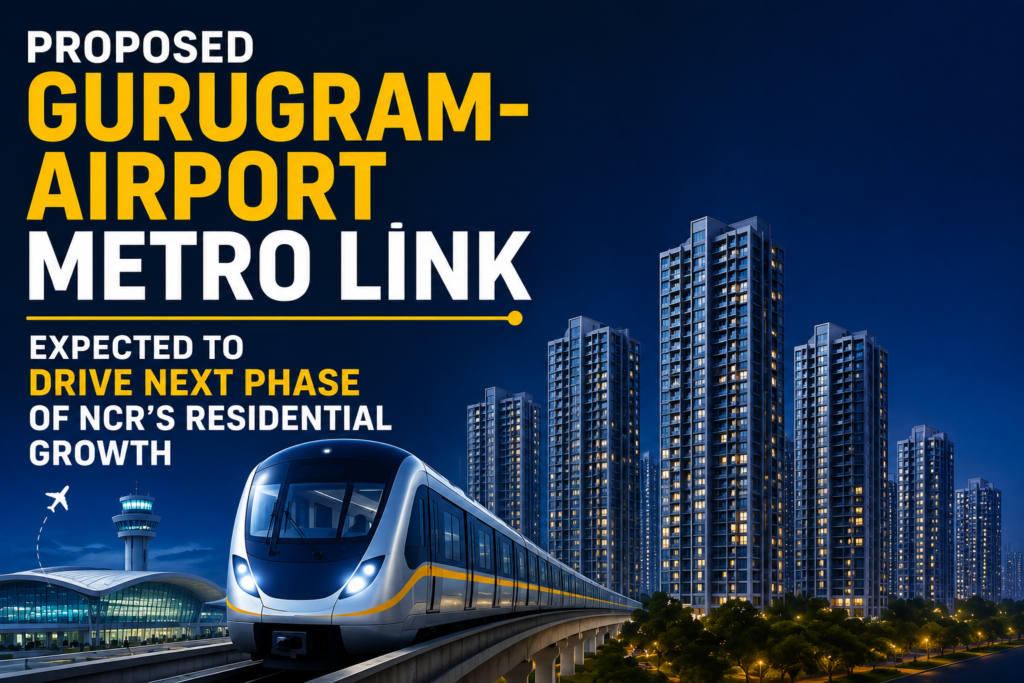
Gurugram, July 30, 2026: The proposed metro connectivity between Gurugram and Indira Gandhi International (IGI) Airport is set to become a transformative infrastructure project for the National Capital Region (NCR), with industry analysts expecting it to significantly influence the future of residential real estate. Beyond reducing travel times and improving urban mobility, the corridor is anticipated to strengthen investment confidence, enhance the appeal of established residential destinations, and unlock growth across emerging corridors such as the Dwarka Expressway.
As homebuyers grow increasingly discerning, infrastructure has evolved from a supporting consideration into a primary driver of residential demand. Easy access to airports, business districts, and commercial hubs is now influencing purchase decisions alongside lifestyle amenities and project offerings. The proposed metro corridor promises a faster, more reliable commute while reducing dependence on congested road networks such as NH-48. The timing of the proposal is particularly notable for Gurugram, which continues to dominate NCR’s residential market, accounting for 73% of all residential launches in Delhi-NCR during the second quarter of 2026, according to data from Cushman & Wakefield.

Highlighting these market dynamics and shifting buyer priorities, Gurpal Singh Chawla, Managing Director of TREVOC Group, noted that connectivity has become central to residential decision-making.
“Delhi NCR recorded 8,793 new residential unit launches in Q2 2026, down 9% q-o-q and 4% y-o-y, reflecting a measured moderation in fresh supply, according to Cushman & Wakefield’s. Within this, Gurugram accounted for 73% of the quarterly supply, reinforcing its position as the region’s dominant residential growth engine, where connectivity-led corridors continue to concentrate development and demand,” said Gurpal Singh Chawla, Managing Director, TREVOC Group.
“A shorter, more predictable commute to the airport is no longer a convenience; it is increasingly a defining factor in residential decision-making for buyers who prioritise global connectivity over traditional location advantages. By enhancing direct access to IGI Airport and reducing reliance on congested corridors such as NH-48, the proposed metro link strengthens this shift toward transit-integrated, time-efficient urban living across NCR’s evolving premium housing landscape,” Gurpal Singh Chawla added.
Beyond supporting immediate sales and investment activity, industry leaders believe the proposed metro corridor will redefine how premium residential destinations evolve over the coming decade by fostering transit-oriented developments that balance accessibility, lifestyle, and sustainability.

Arjun Gehlot, Director at Ambience Group, emphasized how direct airport links contribute to long-term city planning and property values.
“The proposed metro connectivity between Gurugram and the airport marks a significant shift in how urban residential destinations will evolve in the coming years. Homebuyers today are increasingly prioritising seamless connectivity and reduced travel time alongside lifestyle and community infrastructure,” said Arjun Gehlot, Director, Ambience Group.
“A direct airport metro link strengthens Gurugram’s position as a globally connected residential market and enhances the appeal of established and emerging residential corridors alike. Beyond convenience, such infrastructure creates long-term value by making daily mobility more efficient and elevating the overall living experience. We see this as an important step towards shaping Gurugram into a more integrated, future-ready urban ecosystem where premium residential communities benefit from both accessibility and sustained demand,” Arjun Gehlot added.
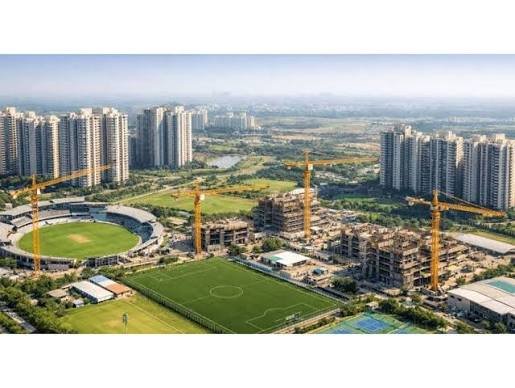
Among the specific locations expected to gain momentum, the Dwarka Expressway corridor stands out as one of NCR’s most active markets. Large-scale infrastructure investments have already reshaped the corridor, and a direct metro link to IGI Airport is expected to accelerate its transition into a primary residential hub for end-users and investors alike.

Underscoring the strategic impact on the corridor, Mohit Kalia, Sr. Vice President-Sales & Marketing at HCBS Developments Ltd, described the metro proposal as a key catalyst.
“The proposed Gurugram–Airport metro connectivity has the potential to become a defining infrastructure catalyst for Dwarka Expressway’s next phase of growth. For today’s homebuyers, connectivity is no longer an advantage rather it is an expectation,” said Mohit Kalia, Sr. Vice President-Sales & Marketing, HCBS Developments Ltd.
“Seamless access to the airport strengthens the corridor’s appeal for both end users and investors while enhancing everyday convenience and long-term value creation. As transit infrastructure evolves, Dwarka Expressway is steadily transitioning from an emerging destination to one of NCR’s most strategically connected and future-ready residential corridors,” Mohit Kalia added.