The Changing Language of Luxury: How Sustainability Is Reshaping Premium Real Estate
New Chandigarh, July 28, 2026: Luxury in real estate has long been defined by a familiar language: spacious layouts, elegant finishes, prestigious addresses, and an unmistakable sense of exclusivity. While those core elements retain their appeal, the definition of luxury itself is undergoing a fundamental transformation. Today, prospective homebuyers are increasingly looking beyond surface appearances, asking a more thoughtful question about how effectively a home functions for the future, Opus One said in a press release.
This perceptual shift is becoming particularly evident across North India, where the premium housing segment is evolving toward a more mature understanding of value. Buyers are no longer impressed by size alone, seeking instead healthier, more energy-efficient living spaces adapted to the realities of modern urban life. In this context, sustainability is shedding its reputation as a niche preference to become an integral element of luxury itself.
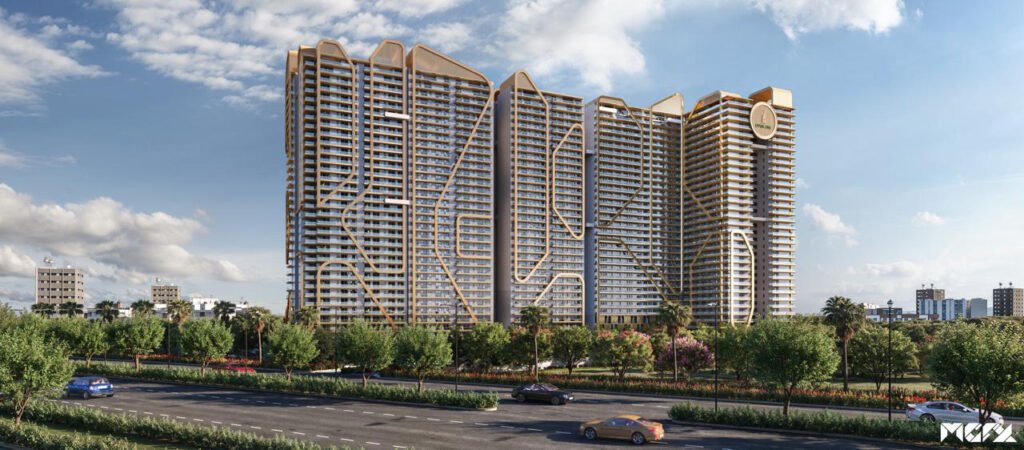
New Chandigarh serves as a prominent example of this transition, emerging as a deliberately planned urban destination that attracts buyers seeking open spaces, cleaner environments, and future-ready living. Within this landscape, sustainable premium developments differentiate themselves by delivering not just comfort, but a deeper sense of equilibrium. Projects like Opus One in Eco-City 2 reflect this direction, integrating sustainability directly into their core development rather than treating it as an afterthought, with design aligned to IGBC Platinum green building standards.
The strategic relevance of this approach lies in the reality that green building practices are no longer viewed as a compromise. In thoughtfully designed premium residences, intelligent resource usage, healthier indoor environments, and reduced long-term operational costs are becoming key components of the overall high-end experience. Spanning roughly 8.75 acres with open planning and landscaped surroundings, such developments utilize lower density to enhance natural light, improve ventilation, and foster a stronger connection between built structures and the surrounding environment.
This philosophy extends into interior design and spatial planning, where large-format layouts, fewer residences per floor, and private lift access emphasize privacy and seamless movement. Similarly, modern amenity planning is shifting away from superficial showpieces toward spaces that actively support daily wellness, community, and functional lifestyle needs.
Across the broader North Indian market, sustainable housing is rapidly transitioning from a conceptual talking point into a practical market baseline. Increased consumer interest in green design, water management, energy efficiency, and EV readiness indicates a permanent shift in how long-term value is evaluated, signaling a move toward residences that are elegant, efficient, and responsive. As industry perspectives capture this evolving approach, “The future of luxury is not more, just for the sake of it. It’s about making homes that feel sophisticated, work smart and age well.”