How Indian Real Estate Has Changed Development in the Last 20 Years
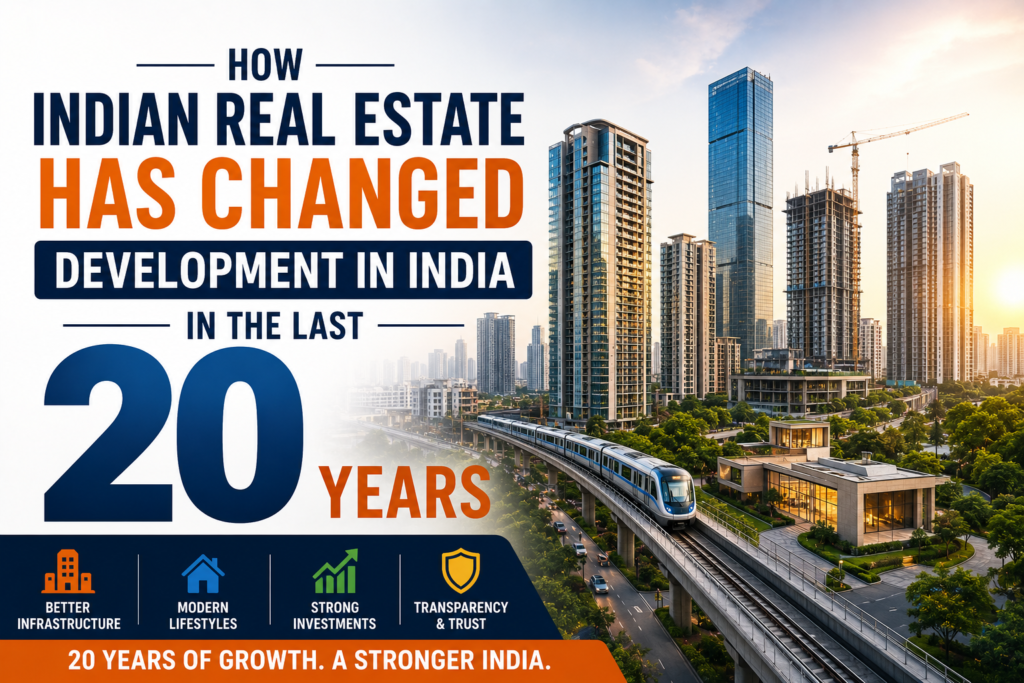
Twenty years ago, Indian real estate landscape looked very different from what we see today. Most cities expanded slowly, infrastructure projects were limited, and homebuyers had fewer choices in terms of residential communities, commercial spaces, and investment opportunities. Fast forward to today, and the country has witnessed one of the world’s fastest urban transformations.
Understanding how Indian real estate has changed in the last 20 years helps explain not only the evolution of the property market but also the broader economic development of the nation. From modern highways and metro rail networks to integrated townships, smart cities, and technology-driven developments, real estate has become a major force behind India’s growth. This article explores the key milestones, trends, challenges, and opportunities that have shaped the country’s real estate journey.
The Evolution of Indian Real Estate: Why It Matters
Real estate is no longer just about constructing buildings. It has become one of India’s largest economic sectors, contributing significantly to employment, infrastructure development, and GDP.
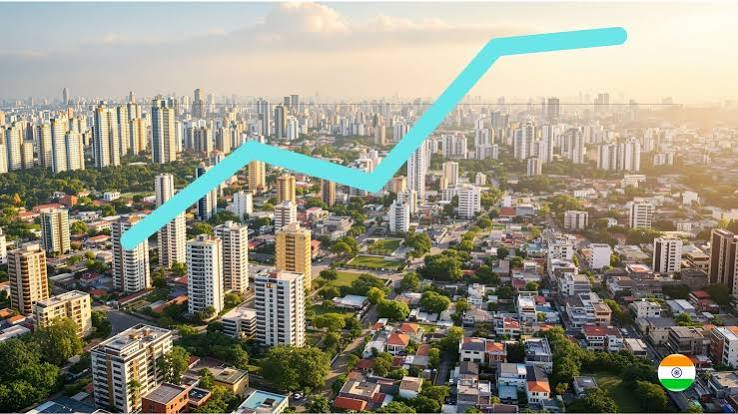
Over the past two decades, the sector has evolved due to several factors:
- Rapid urbanization
- Population growth
- Rising disposable income
- Government reforms
- Improved financing options
- Better infrastructure
- Increased foreign investment
Today, real estate influences how people live, work, shop, travel, and invest.
Major Changes That Transformed Indian Real Estate
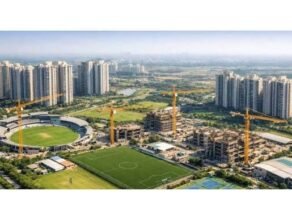
Infrastructure Became the Biggest Growth Driver
Infrastructure development has played a defining role in reshaping India’s property market.
Projects such as:
- Delhi-Mumbai Expressway
- Dwarka Expressway
- Noida International Airport
- Mumbai Coastal Road
- Bengaluru Metro
- Delhi Metro expansion
- Ganga Expressway
- Eastern Peripheral Expressway
have unlocked new residential and commercial corridors.
Areas once considered remote have become investment hotspots due to improved connectivity.
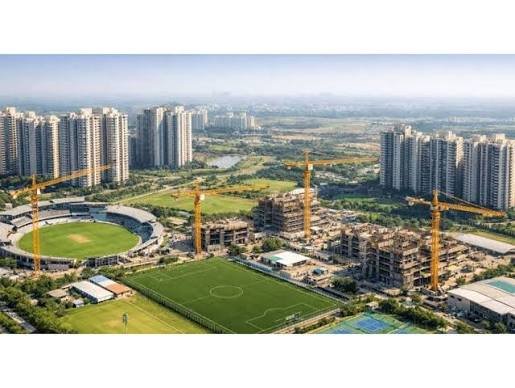
Rise of Integrated Townships
Twenty years ago, standalone apartment buildings dominated urban housing.
Today, buyers increasingly prefer integrated townships that combine:
- Schools
- Hospitals
- Shopping centres
- Offices
- Parks
- Clubhouses
- Sports facilities
These developments provide convenience while promoting a better quality of life.
Affordable Housing Revolution
Affordable housing has witnessed tremendous growth, driven by government initiatives and improved financing.
Programs such as:
- PMAY (Pradhan Mantri Awas Yojana)
- Interest subsidies
- Affordable housing incentives
have helped millions of families achieve homeownership.
Developers have also introduced smaller, better-designed homes catering to first-time buyers.
Commercial Real Estate Has Expanded Rapidly
India’s office market has become one of Asia’s strongest.
Cities like:
- Bengaluru
- Hyderabad
- Pune
- Gurugram
- Noida
- Chennai
have attracted global companies looking for high-quality office space.
This growth has created employment opportunities while increasing demand for nearby residential projects.
Technology Changed Home Buying
The buying journey has become increasingly digital.
Today, buyers can:
- Take virtual tours
- Compare projects online
- Verify RERA registrations
- Apply for home loans digitally
- Complete documentation electronically
Artificial Intelligence, virtual reality, and digital marketing have transformed how developers connect with customers.
RERA Improved Transparency
The implementation of the Real Estate (Regulation and Development) Act marked a turning point.
RERA introduced:
- Greater transparency
- Project registration
- Timely delivery obligations
- Better buyer protection
- Standardized carpet area definitions
This significantly improved trust in the housing market.
Benefits of Two Decades of Indian Real Estate Growth
Better Infrastructure
Improved roads, airports, metros, and highways have increased property values while reducing travel time.
Employment Generation
Real estate supports millions of jobs through:
- Construction
- Architecture
- Interior design
- Engineering
- Property management
- Finance
- Technology
- Legal services
Increased Investment Opportunities
Investors now have access to:
- Residential properties
- Commercial offices
- Warehouses
- Retail spaces
- REITs
- Mixed-use developments
The market has become more diversified than ever before.
Better Lifestyle
Modern housing now offers:
- Green spaces
- Fitness centres
- Community clubs
- Co-working areas
- EV charging
- Smart home technology
Lifestyle has become a key factor in property selection.
Challenges That Still Exist
Despite remarkable progress, several challenges remain.
Rising Property Prices
Housing prices have increased considerably in major cities, making affordability difficult for many buyers.
Urban Congestion
Rapid development has placed pressure on traffic, public utilities, and civic infrastructure
Environmental Concerns
Sustainable construction and green buildings are becoming essential to reduce environmental impact.
Land Acquisition Issues
Acquiring land for large infrastructure and township projects remains complex in many regions.
Expert Tips for Homebuyers and Investors
1. Focus on Infrastructure
Choose locations where metro connectivity, highways, airports, or expressways are under development.
2. Verify RERA Registration
Always invest in projects registered under the relevant state RERA authority.
3. Think Long-Term
Areas with planned infrastructure often deliver stronger appreciation over time.
4. Study Developer Reputation
Review the developer’s delivery record, financial strength, and customer feedback before investing.
5. Diversify Investments
Consider residential, commercial, plotted developments, or REITs depending on your financial goals.
Indian Market Perspective
India’s real estate sector is expected to remain one of the country’s strongest growth engines over the coming decade. Government initiatives such as Smart Cities Mission, PM Gati Shakti, Digital India, Bharatmala, Sagarmala, and expanding metro rail networks continue to reshape urban landscapes.
Cities such as Delhi-NCR, Mumbai Metropolitan Region, Bengaluru, Hyderabad, Pune, Ahmedabad, Chennai, Lucknow, and emerging hubs like Noida, Greater Noida, Gurugram, and Indore are witnessing sustained demand driven by infrastructure improvements, employment generation, and population growth.
The rise of Grade A office spaces, data centres, logistics parks, warehousing, and luxury housing demonstrates how the sector has matured beyond traditional residential development. Sustainability, green buildings, smart homes, and transit-oriented developments are expected to define the next phase of growth.
Conclusion
The last twenty years have completely transformed India’s real estate landscape. What was once a largely unorganized sector has evolved into a modern, transparent, technology-driven industry that plays a central role in national development. Better infrastructure, stronger regulations, smart urban planning, and changing buyer preferences have created new opportunities for homeowners, investors, and developers alike.
As India continues its journey toward becoming a global economic powerhouse, real estate will remain one of the biggest drivers of urban development, employment, and wealth creation. Staying informed about these trends is essential for making smarter property decisions.
Stay updated with the latest real estate news, expert insights, and market trends on RealtyNMore.