The Next Growth Story of Indian Real Estate Will Come From Tier-2 and Tier-3 Cities

By Umang Jindal, CEO, Homeland Group
India’s real estate story is entering a new phase. For decades, the country’s metropolitan cities have been the primary engines of housing demand, commercial development and real estate investment. But the next wave of growth is increasingly moving beyond the traditional urban centres.
Tier-2 and Tier-3 cities are emerging as important growth markets, driven by a combination of rising incomes, improving infrastructure, better connectivity, expanding employment opportunities and, perhaps most importantly, changing aspirations. What makes this transition significant is that the consumer in these markets is evolving faster than the conventional perception of the market itself.
The buyer in a Tier-2 or Tier-3 city today is not necessarily looking for a compromise. They are looking for a choice.
Digital access has exposed consumers to global lifestyles, contemporary architecture and new definitions of convenience. At the same time, rising prosperity has created the ability to demand better homes, better neighbourhoods and better living environments. This is fundamentally changing the nature of real estate demand outside the metros.
From affordability to aspiration
The earlier growth narrative for smaller cities was largely centred around affordability. That remains relevant, but it is no longer the complete story.
The new-age homebuyer is evaluating a property on multiple parameters—location, connectivity, construction quality, planning, amenities, open spaces, sustainability, security and the overall experience of living in the community.
This represents a structural shift for developers. The question is no longer simply how much housing a market can absorb, but what kind of housing the next generation of buyers wants to own.
For developers, this means moving away from a one-size-fits-all approach. Projects in emerging cities need to reflect local requirements while meeting increasingly sophisticated expectations. Buyers may live in a smaller city, but their expectations are increasingly national and global.
Infrastructure is changing the map
Infrastructure will be one of the biggest catalysts for the next phase of real estate growth.
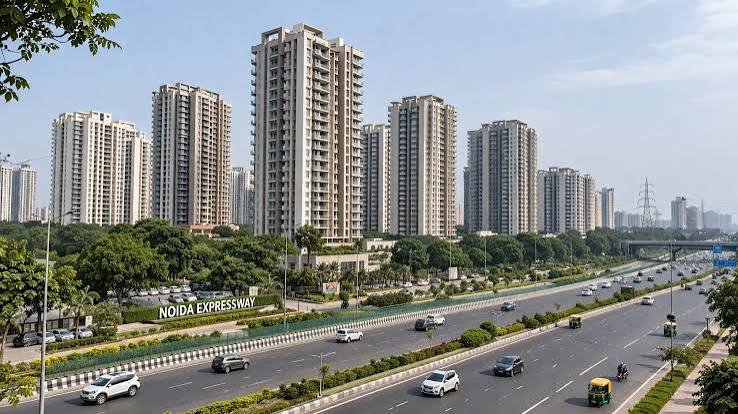
Improved highways, airports, expressways, rail connectivity, industrial corridors and urban infrastructure are reducing the barriers that historically limited the growth of smaller cities. Better connectivity does more than reduce travel time—it expands the economic catchment of a city.
When connectivity improves, businesses find it easier to operate, professionals find greater mobility, and previously underdeveloped locations begin to attract residential and commercial interest. Real estate becomes a beneficiary of this wider economic transformation.
Across Punjab and other northern markets, this relationship between infrastructure and urban growth is becoming increasingly visible. As connectivity improves and development moves along established and emerging corridors, the distinction between core and peripheral locations is gradually changing.
The rise of the experience-conscious homeowner
Perhaps the most important change is psychological rather than economic.
The next generation of homeowners wants a home that fits into a broader lifestyle. A residence is increasingly expected to provide access to wellness, recreation, green spaces, community interaction and everyday conveniences. The clubhouse or amenity space is no longer merely an additional feature; thoughtfully planned shared spaces can become an important part of how communities function.
This is particularly relevant in smaller cities, where organised, well-planned developments can contribute to the evolution of the wider urban environment.
However, aspiration cannot come at the expense of practicality. The successful projects of the future will need to combine lifestyle with functionality—efficient layouts, sensible maintenance, strong construction, accessibility and infrastructure that works over the long term.
Building for the next generation
The opportunity in Tier-2 and Tier-3 markets is therefore not to recreate a metropolitan city in a smaller geographical footprint. It is to understand what makes each market distinctive and build accordingly.
Developers need to pay closer attention to local demographics, employment patterns, mobility, family structures and evolving consumption habits. The product must be designed around the people who will actually live there, rather than around assumptions about what a smaller-city buyer should want.
This also places greater importance on credibility. As buyers become more informed, transparency, construction quality, delivery discipline and a developer’s track record increasingly influence purchasing decisions. Real estate is a long-term commitment, and trust remains one of the most valuable assets a developer can build.
Growth that goes beyond transactions
The real potential of Tier-2 and Tier-3 cities lies in the fact that real estate growth can become a catalyst for broader urban development.
A well-planned residential project can support retail, hospitality, education, healthcare, recreation and employment ecosystems around it. As these ecosystems mature, they can make cities more attractive to both residents and businesses.
This creates a virtuous cycle: infrastructure enables economic activity, economic activity creates employment and income, rising incomes create housing demand, and quality real estate contributes to a more organised urban environment.
The industry must therefore look at emerging cities not merely as the next sales opportunity, but as the next generation of urban markets.
A new geography of Indian real estate
India’s urbanisation is becoming more distributed. Economic opportunity is no longer concentrated exclusively within a handful of metropolitan centres, and consumer aspirations are no longer geographically restricted either.
That combination creates a powerful opportunity for Tier-2 and Tier-3 cities.
But unlocking that opportunity will require a change in mindset across the industry. Developers will need to think beyond volumes and short-term demand and focus on creating developments that remain relevant as cities mature.
The next chapter of Indian real estate will not simply be about how quickly these cities grow. It will be about how thoughtfully they grow.
Tier-2 and Tier-3 cities are no longer waiting to become smaller versions of India’s metros. They are developing their own identities, aspirations and economic strengths. For the real estate industry, recognising and responding to that evolution could define one of the most important growth opportunities of the decade ahead.
Disclaimer: Views expressed in this article are those of the author, and not necessarily of Realtynmore.com.